You’ve decided to try Tails, downloaded the image, and now you’re staring at a laptop wondering if it’ll actually work. If you’ve spent any time in a Tails or Tor forum thread, you’ve probably seen the pattern: someone follows a generic “best laptop” list, boots their new USB stick, and the Wi-Fi card won’t connect — or Secure Boot won’t let the drive boot at all. That’s not a rare edge case. It’s the single most common way a perfectly good laptop turns into a frustrating first hour with Tails.
Raw CPU speed and a high-refresh gaming panel don’t matter to Tails — Wi-Fi chipset compatibility and an unlockable BIOS do. That’s the lens behind every pick below, which is why gaming rigs and Chromebooks don’t appear in it.
Editor’s Pick

Last update on 2026-10-22 / Affiliate links / Images from Amazon Product Advertising API
ThinkPads carry the deepest Linux driver track record of any Windows OEM line, backed by Lenovo’s own Ubuntu/Fedora certification program — the single biggest factor in whether your Wi-Fi card and BIOS behave under Tails.
- Intel Core Ultra 7 258V
- 32GB DDR5
- 14″ 2.8K OLED
- Wi-Fi 7
What’s Inside
- 1 – Best Laptops for Tails OS — Buyer's Guide
- 2 – Tails OS Laptop Comparison Table
- 3 – Best Laptops for Tails OS in 2026 — Reviews
- 3.1 – 1. Lenovo ThinkPad X1 Carbon Gen 13 Aura Edition (Best Overall)
- 3.2 – 2. Acer Aspire 15 (Best Budget)
- 3.3 – 3. Lenovo ThinkPad E16 Gen 2 (Best Value ThinkPad)
- 3.4 – 4. LG gram 15 (Best Lightweight / Travel Pick)
- 3.5 – 5. Dell Pro 14 (Best Rugged Business Pick)
- 3.6 – 6. Framework Laptop 13 (Best for Linux Purists and Repairability)
- 3.7 – 7. HP ProBook 4 G1a (Best Alternate Business Pick)
- 4 – Recommended Accessories
- 5 – Which Tails OS Laptop Should You Buy?
- 6 – Tails OS Laptop FAQ
- 7 – Final Thoughts on Tails OS Laptops
Best Laptops for Tails OS — Buyer’s Guide
Memory
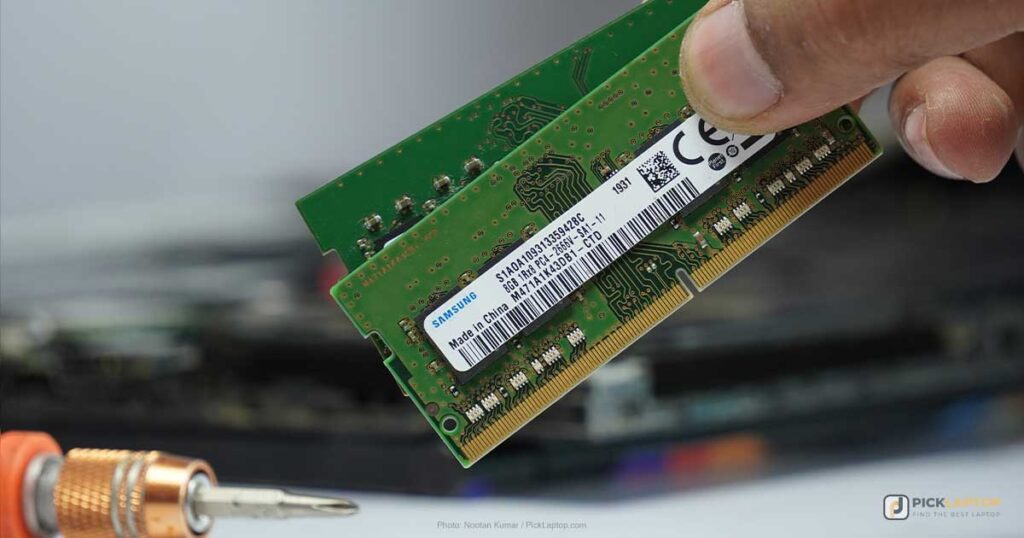
System memory is essential for Tails, since it runs from external media and gets loaded entirely into RAM. A system with 2GB is the bare minimum in theory, but several open browser tabs and a couple of background applications will eat into that fast. Most current laptops ship with at least 8GB, so this usually isn’t something you need to shop specifically for — every pick below clears it with room to spare.
Storage
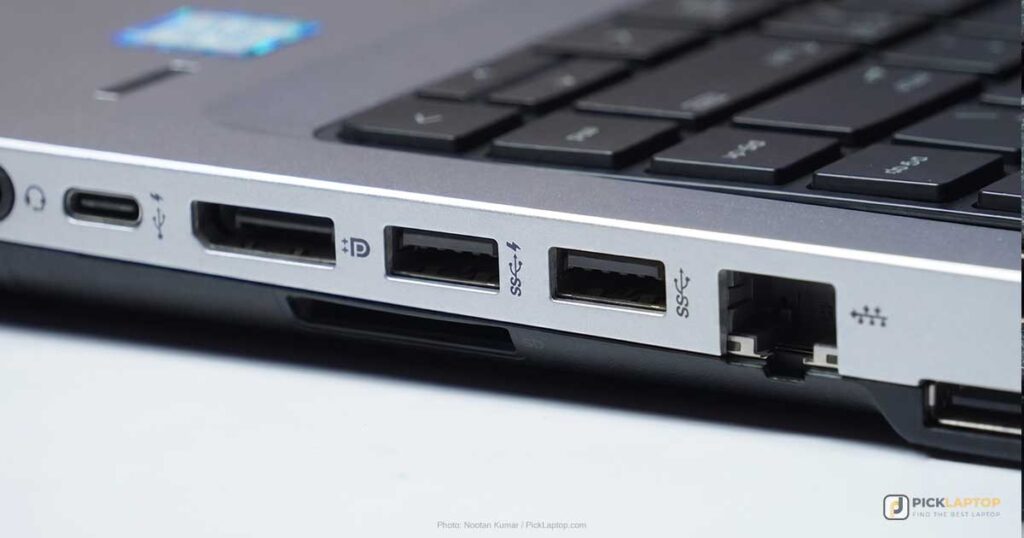
You don’t need much onboard storage for Tails itself, since the OS runs from external media. Invest instead in a quality USB 3.0+ drive for faster, smoother performance, and check that your laptop has a full-size USB-A port or USB 3.0+ support — some ultra-thin laptops have dropped USB-A entirely.
Processor
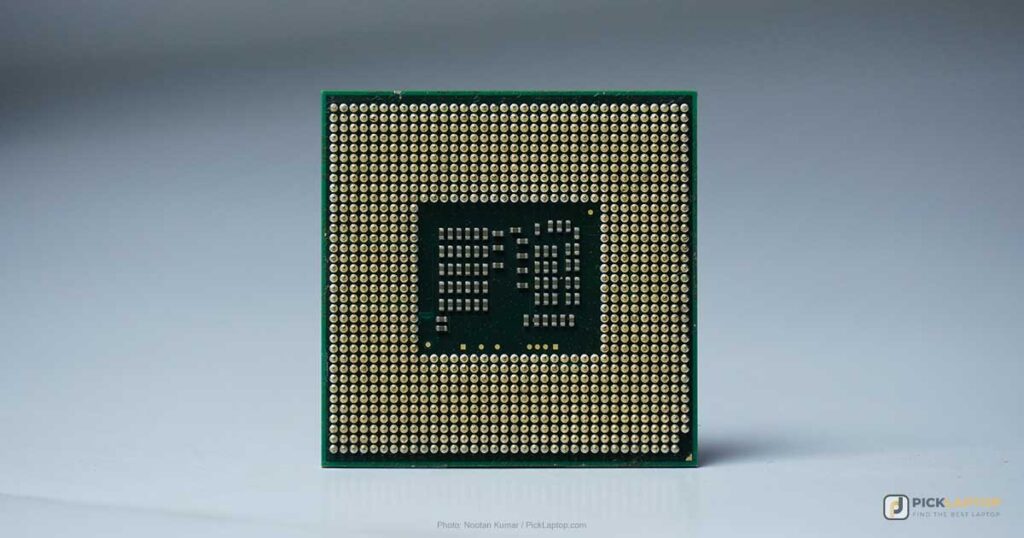
Tails runs fine on an entry-level processor for basic browsing, reading, or email. An Intel Core 5-class or AMD Ryzen 5-class chip or better is worth prioritizing for anyone running multiple apps and tabs at once, since Tor routing adds some CPU overhead on top of normal browsing.
Graphics
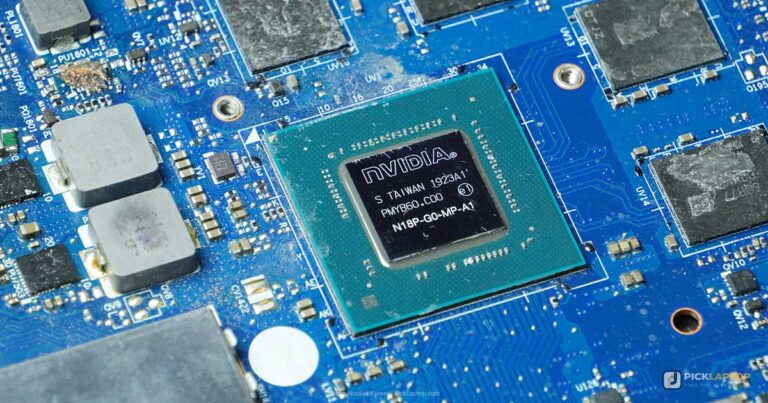
Integrated graphics are enough for Tails. A dedicated GPU adds nothing for Tails specifically and mostly adds battery drain and heat, which is why gaming laptops don’t appear on this list even though several rank well in general “best laptop” searches.
Wi-Fi Chipset and BIOS Access (the part most guides skip)
Two things decide whether a laptop that looks fine on paper actually gets Tails online:
- Wi-Fi chipset: Intel and Qualcomm Atheros Wi-Fi cards have mainline Linux kernel support and tend to work under Tails without a fight. Some budget laptops ship Broadcom or Realtek cards that need out-of-tree drivers Tails doesn’t bundle — the card shows up but refuses to connect, and there’s no reliable way to know this from a spec sheet alone.
- BIOS/UEFI access: You need to disable Secure Boot and enable “boot from USB” without a fight. Business laptops (ThinkPad, Latitude/Pro, ProBook) are built for IT departments that reimage machines constantly, so this is usually a non-issue. Tails’ own hardware requirements page covers the baseline (2GB RAM, 64-bit x86-64 processor, 8GB+ USB stick) but doesn’t flag BIOS lockdown issues, which is why it’s called out here.
Neither of these shows up on a spec sheet. A laptop can look perfect on paper — right RAM, right CPU, right price — and still fail at the one thing that matters for Tails: connecting to Wi-Fi or letting you boot from USB at all. Check the Wi-Fi chipset and BIOS behavior specifically, not just the headline specs.
Why Not a Chromebook or a Gaming Laptop
Neither category is a good default recommendation for Tails. Chromebooks use Verified Boot, which actively resists booting anything other than ChromeOS from external media — workable via Developer Mode, but that’s an extra hurdle worth stating plainly rather than waving away in a spec comparison. Gaming laptops solve a problem Tails doesn’t have: Tails doesn’t touch the GPU, so you’re paying for battery drain and fan noise for zero benefit.
The Advantages of Tails OS

Image Credit: Tails
The Amnesic Incognito Live System, or Tails, is a Debian-based Linux distribution built for privacy and anonymity — all connections are forced through the Tor network, and the system leaves no trace on the host machine once shut down, unless you deliberately set up persistent storage. It also ships with cryptographic tools built in for encrypting files, emails, and instant messages.
Per the official Tails hardware requirements page, it needs at least 2GB of RAM, a 64-bit x86-64 compatible processor, and an 8GB+ USB stick for installation.
How to Install Tails OS on a USB Stick
Step 1: Open the official Tails website and start the installation process.
Step 2: Select the operating system you’re currently working from.
Step 3: Download the Tails image from the official site.
Step 4: Prepare the bootable media using a tool such as Universal USB Installer, Rufus, or PowerISO.
Step 5: Restart your computer and boot from that media.

Step 6: Insert your second USB stick — the one you want Tails permanently installed on.
Step 7: From the “Applications” menu, choose “Tails Installer,” select “Install by cloning,” pick your second USB stick, and click “Install Tails.”
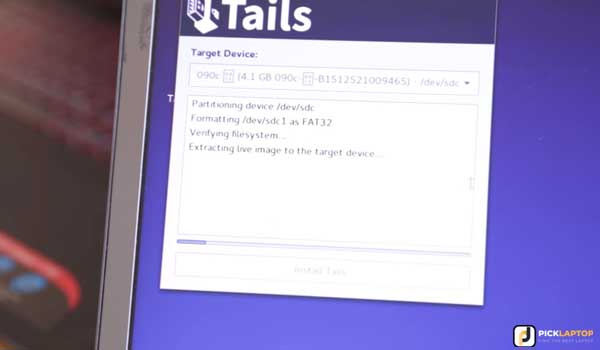
Step 8: Restart, disconnect the first USB drive, and boot from the second one.
Step 9: Once booted, go to “Applications” → “Configure persistent volume,” set a strong passphrase, and click Create.
Step 10: Restart and remove your media — you’re done. That USB stick now boots Tails on any compatible laptop.
Tails OS Laptop Comparison Table





Last update on 2026-10-22 / Affiliate links / Images from Amazon Product Advertising API
Best Laptops for Tails OS in 2026 — Reviews
1. Lenovo ThinkPad X1 Carbon Gen 13 Aura Edition (Best Overall)
Best Overall
Last update on 2026-10-22 / Affiliate links / Images from Amazon Product Advertising API
- ProcessorIntel Core Ultra 7 258V
- GPUIntel Arc integrated
- RAM32GB DDR5
- Storage2TB Gen 5 SSD
- Display14″ 2.8K OLED
- Wi-FiWi-Fi 7
ThinkPads have carried the strongest Linux reputation of any mainstream Windows laptop line for years, and that’s not just brand mythology. Lenovo runs an active certification program with Canonical, and Ubuntu’s own certified-hardware catalog lists ThinkPad configurations across Wi-Fi, TPM, firmware, and power management testing. Lenovo has also confirmed it upstreams drivers directly into the mainline Linux kernel, per Lenovo’s own announcement.
The ThinkPad X1 Carbon Gen 13 itself is certified for Ubuntu 24.04 LTS in both its Lunar Lake and Arrow Lake configurations, per Ubuntu’s certified-hardware catalog — the kind of vendor-backed Linux validation few consumer Windows laptop lines carry, and why a ThinkPad is the safest default bet for Tails.
Practically, that means the Wi-Fi 7 card here is far less likely to give you the “connects but won’t authenticate” headache budget Realtek/Broadcom cards can cause under Tails. Business ThinkPads also ship with BIOS menus built around IT departments constantly disabling Secure Boot and reimaging, so you won’t fight the firmware to get a USB stick to boot.
This generation’s day-to-day performance splits reviewers. Laptop Mag and PCWorld both tested the Core Ultra 7 258V and flagged multitasking performance and battery life as disappointing for the price against cheaper competitors — Laptop Mag measured 11 hours 28 minutes of battery runtime, and PCWorld clocked roughly 17 hours in video playback but still called it unremarkable for the class. Notebookcheck and Thurrott are more positive specifically about efficiency gains from the Lunar Lake chip. The display and build quality aren’t in dispute — the performance-for-price question is.
Pros
- Best Linux/BIOS track record of any Windows OEM
- Gorgeous 2.8K OLED display
- Wi-Fi 7
- Business-grade keyboard and BIOS conventions
Cons
- Some reviewers found multitasking/battery underwhelming for the price
- Premium pricing
- OLED and 2TB storage are overkill if Tails is your only real use case
2. Acer Aspire 15 (Best Budget)
Best Budget
Last update on 2026-10-22 / Affiliate links / Images from Amazon Product Advertising API
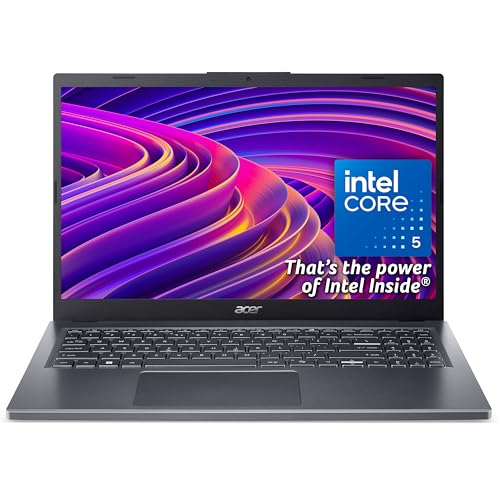
- ProcessorIntel Core 5 120U
- RAM16GB LPDDR5
- Storage512GB Gen4 SSD
- Display15.6″ FHD IPS
- Wi-FiWi-Fi 6E
The Aspire 15 is the budget pick here because it ships a full, unrestricted Windows Home install rather than Windows in S Mode, which some budget laptops still use — S Mode locks you out of some firmware-adjacent settings and isn’t worth the hassle for a Tails machine. It’s the cheapest laptop on this list, and you still get 16GB of memory and an Intel-integrated Wi-Fi 6E card that plays nicely with Tails’ driver set.
The Thunderbolt 4 port also means you can dock this to an external monitor for non-Tails work without buying a separate adapter.
The RAM is soldered rather than user-upgradable, so if you might want more than 16GB down the line, buy that configuration up front. A dedicated lab review of this exact Core 5 120U / 16GB / Wi-Fi 6E build could not be located; the assessment above rests on Acer’s published specifications rather than third-party measurements.
Pros
- Real low price for 16GB of memory
- Intel Wi-Fi 6E
- Thunderbolt 4 port
Cons
- Soldered, non-upgradable RAM
- Plastic chassis, not MIL-STD tested like the business picks below
- 60Hz display only
- No independent lab review found for this exact configuration
3. Lenovo ThinkPad E16 Gen 2 (Best Value ThinkPad)
Best Value ThinkPad
Last update on 2026-10-22 / Affiliate links / Images from Amazon Product Advertising API
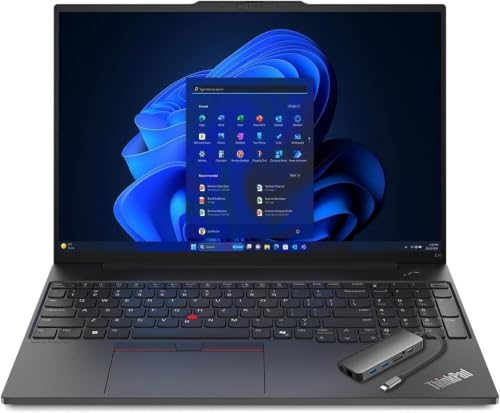
- Weight3.59 lbs
- ProcessorAMD Ryzen 7 7735HS
- RAM16GB DDR5
- Storage512GB PCIe SSD
- Display16″ WUXGA IPS, 60Hz
- Battery13 hours
If the X1 Carbon’s price is a stretch but you still want ThinkPad-grade Linux support, the E16 Gen 2 is the entry point into the same family — same certification program, same BIOS conventions, and MIL-STD-810H tested for durability. One detail worth calling out for privacy-minded buyers: this model’s webcam ships with a physical privacy shutter you can visually verify is closed, rather than a software toggle you have to trust.
This AMD configuration drives external displays over USB-C (up to 10Gbps, with DisplayPort 1.4) rather than Thunderbolt 4, according to Lenovo’s own spec sheet for the Gen 2 AMD model — Lenovo reserves Thunderbolt 4 branding for the Intel variant of this laptop. It still drives external monitors fine; the port just isn’t Thunderbolt-certified on this config. Lenovo’s spec sheet also caps the entry WUXGA panel at 60Hz, not 120Hz — every WUXGA and WQXGA panel option on the Gen 2 AMD chassis tops out at 60Hz.
No independent review of this exact Ryzen 7 7735HS build was located. The closest generation-correct source, Notebookcheck’s review of the same Gen 2 AMD chassis, tested the lower-tier Ryzen 5 7535HS: it found the keyboard’s 1.5mm of travel usable but the key press firmer and noisier than pricier ThinkPad lines, with typing fatigue setting in over long sessions. That’s a chassis-level finding likely to carry over to the Ryzen 7 configuration, but the CPU-specific performance was not tested on the 7735HS itself.
Pros
- ThinkPad Linux pedigree at a lower price than the X1 Carbon
- Physical webcam privacy shutter
- MIL-STD-810H tested
Cons
- AMD config uses USB-C, not Thunderbolt 4 (Intel variant only)
- Display tops out at 60Hz across every panel option
- Bigger and heavier than the ultraportable picks
- No independent test of the exact Ryzen 7 7735HS configuration found
4. LG gram 15 (Best Lightweight / Travel Pick)
Best Lightweight / Travel
Last update on 2026-10-22 / Affiliate links / Images from Amazon Product Advertising API
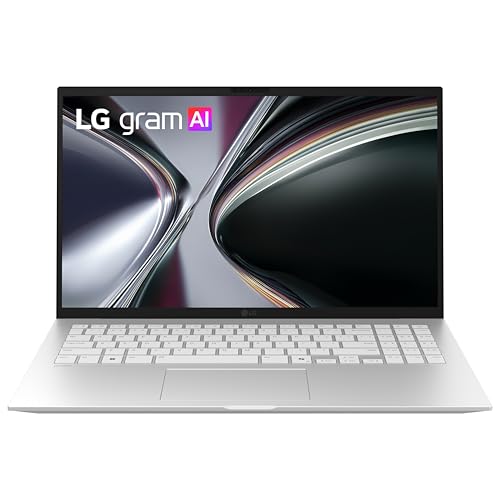
- Weight2.84 lbs
- ProcessorAMD Ryzen AI 7 350
- RAM16GB
- Battery22h video playback (rated), 72Wh
- Wi-FiWi-Fi 6E
If portability is the priority, the gram 15 is the lightest laptop on this list at 2.84 lbs, according to LG’s own product page, which also lists the AMD Ryzen AI 7 350 processor, a 72Wh battery, and up to 22 hours of video playback — a manufacturer rating, not an independently measured runtime, and no independent lab test of this configuration’s real-world battery life turned up in research for this guide. Like the ThinkPad E16 above, it’s MIL-STD-810H tested — a durability standard that’s becoming table stakes on this list, not a rare bonus.
It’s not marketed as a Linux-first machine the way the ThinkPads are, but the Wi-Fi 6E card is Intel-adjacent hardware that tends to behave well, and its mainstream consumer BIOS doesn’t impose unusual restrictions on Secure Boot or USB booting.
LG’s gram line has a long-standing reputation across generations for prioritizing weight over chassis rigidity — the lid and body flex more than sturdier rivals despite the premium materials, and the efficiency-tuned chip trades some peak performance for that battery rating. Neither is a dealbreaker for a Tails-focused laptop, but it’s worth handling one in person if build feel matters to you.
Pros
- Lowest weight in this comparison, at 2.84 lbs
- Highest rated battery life stated on this list (22h, manufacturer figure)
Cons
- Lid and deck give under pressure more than sturdier rivals
- Peak performance is capped in exchange for efficiency
- Battery figure is a manufacturer rating; no independent measurement found
- Priciest laptop on this list relative to its specs
5. Dell Pro 14 (Best Rugged Business Pick)
Best Rugged Business
Last update on 2026-10-22 / Affiliate links / Images from Amazon Product Advertising API
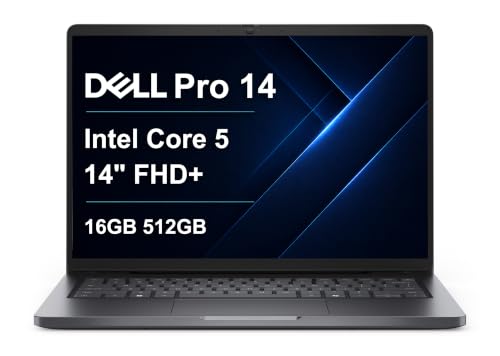
- ProcessorIntel Core 5 120U (up to Core Ultra 5 235U)
- RAM16GB DDR5
- Storage512GB SSD
- Display14″ WUXGA IPS, 300 nits
- Webcam1080p IR
- Ports2x Thunderbolt 4
Dell Pro is the successor line to Latitude — Dell’s long-running business family — and Dell maintains its own Ubuntu partnership with Canonical, preloading select business models with certified Ubuntu images. This exact PC14250 configuration’s Canonical certification could not be confirmed independently against Ubuntu’s live hardware catalog at the time of publishing — treat that as a reason this line is generally Linux-friendly rather than a guarantee for this specific SKU. Check Ubuntu’s certified Dell hardware page before you buy if that matters to you.
It’s also MIL-STD-810H certified — the third laptop on this list to clear that bar — has dual Thunderbolt 4 ports, and ships an IR webcam rather than a basic HD unit.
Laptop Media’s test of the Core Ultra 7 265U configuration measured the processor peaking at 105°C and throttling under sustained load, and found the entry display option managing just 51% sRGB — “visually dull and washed-out” in the review’s own words, and a description that applies to the same base panel this article’s Core 5 120U model would ship with. The thermal result was measured on the higher Core Ultra 7 265U chip rather than the Core 5 120U itself, so treat the throttling finding as indicative of this chassis’s cooling rather than a confirmed measurement on the entry processor.
Pros
- Dell’s business line has a long Linux/Ubuntu-friendly track record
- MIL-STD-810H certified
- Dual Thunderbolt 4
Cons
- Higher-tier configuration runs hot and throttles under sustained load
- Base-panel option measured at just 51% sRGB
- Can’t confirm this exact SKU’s Canonical certification independently
6. Framework Laptop 13 (Best for Linux Purists and Repairability)
Best for Linux Purists
Framework Laptop 13
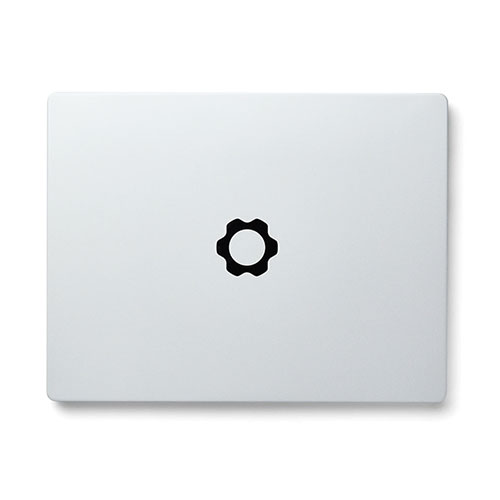
Officially supported by Framework for Ubuntu and Fedora, with modular, repairable hardware — a direct fit for a Tails-focused reader.
- Weight2.87 lbs
- ProcessorAMD Ryzen AI 300 series
- Display13.5″ 3:2, 2.2K/2.8K options
- Ports4 modular Expansion Card slots
This is the one pick not sold through Amazon, included because Framework documents its Linux support directly rather than leaving it to third-party testing. Per Framework’s own Linux support page, Ubuntu and Fedora are the two officially supported distributions — each gets engineering collaboration and Framework customer support. Arch Linux, along with NixOS, Bazzite and Mint, sits in a separate community-supported tier: Framework provides hardware seeding and issue escalation but doesn’t perform its own validation on those distributions. The modular Expansion Card ports mean you’re not stuck with whatever port selection the manufacturer guessed you’d want, and the whole machine is designed to be opened and repaired rather than sealed shut.
It’s sold direct through frame.work rather than through Amazon, so there’s no affiliate link here and no ASIN in our database. On the Ryzen AI 300 series chassis specifically, PC Gamer’s review of the Ryzen AI 9 HX 370 configuration found fan noise improved over earlier Framework 13 generations but still present — “it will still get those fans blowing even just doing a Windows update” — and Tom’s Hardware’s review of the same chip called the webcam “serviceable” but flagged an oversharpening algorithm that smooths facial detail unnaturally.
Pros
- Ubuntu and Fedora officially supported by the manufacturer
- Fully modular ports
- Modular and user-repairable, not just marketed as such
Cons
- Fans still spin up for routine tasks like a Windows update, though quieter than earlier generations
- Webcam has a noticeable oversharpening artifact
- DIY Edition requires supplying RAM/storage yourself; no Amazon return path
- Only Ubuntu and Fedora get official support; Arch and other distros are community-tier
7. HP ProBook 4 G1a (Best Alternate Business Pick)
Best Alternate Business Pick
Last update on 2026-10-22 / Affiliate links / Images from Amazon Product Advertising API
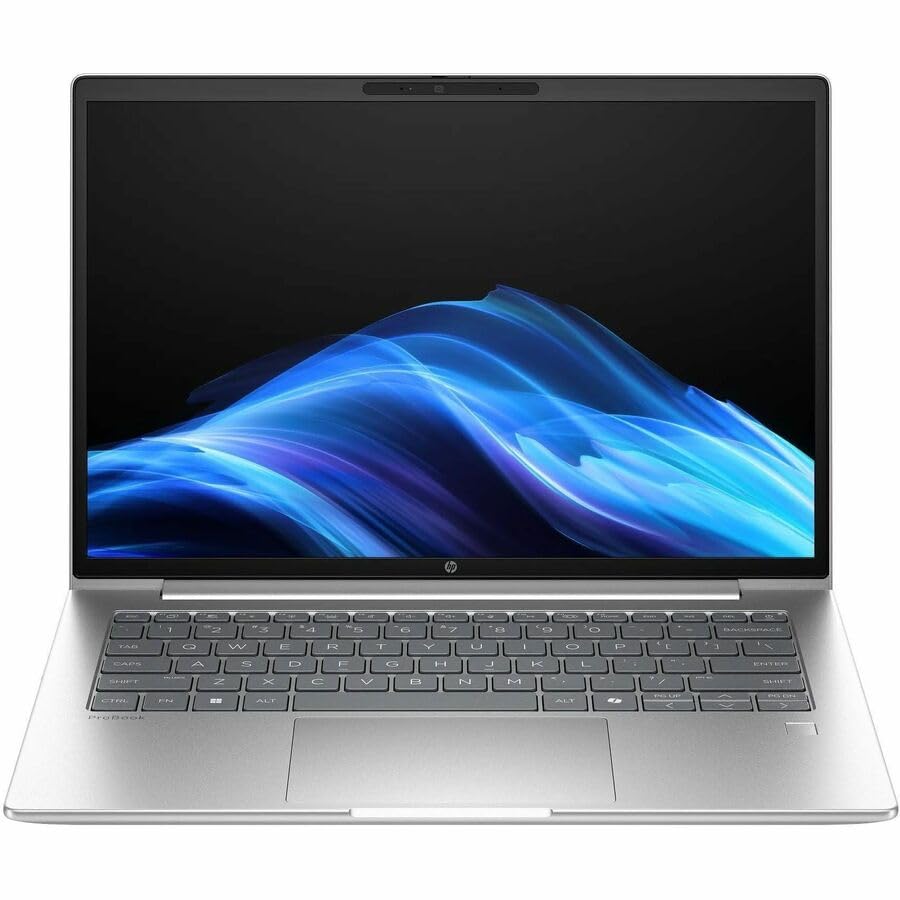
- ProcessorAMD Ryzen 7 250 (Intel Core Ultra 5 225U config also available)
- GPUAMD Radeon 780M
- RAM16GB
- Storage512GB PCIe NVMe SSD
- Display14″ WUXGA IPS
- OSWindows 11 Pro
A rebrand of HP’s ProBook 440 line, this is HP’s answer to the ThinkPad E-series and Dell Pro 14 — business BIOS conventions and no consumer software lockdowns. HP hasn’t published full port and battery specs for this exact configuration as of this review; it’s a solid alternate pick if you’d rather buy HP than Lenovo or Dell for support/warranty reasons, not a laptop with a distinguishing Tails-specific feature the others lack.
TechRadar’s review of the Ryzen 7 250 configuration found the touchpad repeatedly ignores taps as clicks, and occasionally misreads corner clicks too.
Pros
- Business-grade BIOS and build
- AMD Radeon 780M is a capable integrated GPU for everyday use outside Tails
Cons
- Touchpad misreads taps and corner clicks
- HP has not published full specs (weight, ports, battery) for this configuration
Recommended Accessories
Since Tails runs entirely from a USB stick, the drive itself is the one accessory that matters here. Two solid options at the same 16GB capacity — well past the 8GB minimum — depending on whether you want the sturdier metal casing or the lower price:


Last update on 2026-10-22 / Affiliate links / Images from Amazon Product Advertising API
Which Tails OS Laptop Should You Buy?
| Best For | Pick |
|---|---|
| Overall | Lenovo ThinkPad X1 Carbon Gen 13 |
| Budget | Acer Aspire 15 |
| Value ThinkPad | Lenovo ThinkPad E16 Gen 2 |
| Lightweight / Travel | LG gram 15 |
| Rugged Business | Dell Pro 14 |
| Linux Purists / Repairability | Framework Laptop 13 |
| Alternate Business Pick | HP ProBook 4 G1a |
Tails OS Laptop FAQ
Is Tails OS safe?
Yes. It’s purpose-built for privacy and anonymity, and it’s the operating system recommended by outlets like the Freedom of the Press Foundation for sensitive work.
Is Tails OS safer than Tor Browser alone?
They’re not directly comparable — Tor Browser anonymizes one application’s traffic, while Tails routes the entire operating system’s traffic through Tor and boots clean each time, without touching the underlying computer. For most privacy-sensitive use cases, Tails is the stronger option.
Does Tails OS come with Tor?
Yes. All network connections in Tails go through the Tor network by default; anything that tries to bypass it gets blocked automatically.
Can I install Tails on a hard drive as my primary OS?
No. The Tails installer is designed for removable media (USB or SD) by design, and it actively checks for this.
Will Tails work on any laptop, or does hardware actually matter?
Almost any laptop meeting the 2GB RAM / 64-bit x86-64 minimum can technically run Tails, but “technically runs” and “actually gets online reliably” are different things. A laptop’s Wi-Fi hardware and how locked-down its BIOS is are what most often cause real-world problems getting online.
What does Tails stand for?
The Amnesic Incognito Live System.
Is Tails OS legal to use?
Yes, it’s open-source software. As always, comply with your local laws regarding how you use it.
Does Tails OS work on Mac computers?
Yes, you can create a Tails USB stick from a Mac and boot Intel-based Macs into it, though Apple Silicon Mac support has historically been more limited — check Tails’ official compatibility notes before relying on this for an M-series Mac.
Can I save files in Tails OS?
Not by default — Tails runs in amnesic mode and erases everything on shutdown unless you set up an encrypted persistent volume during installation (Step 9 in the install steps above).
Can I use Tails OS for everyday tasks like email and document editing?
Yes — Tails includes a web browser, email client, and office suite, so day-to-day tasks work the same as on any other OS, just routed through Tor.
How often is Tails OS updated?
Tails ships scheduled releases roughly every 4-8 weeks, plus out-of-cycle emergency releases when a critical vulnerability needs an immediate fix — check the official Tails release notes for the current cadence.
Can I use Tails OS on a virtual machine?
It’s possible, but not recommended. Running Tails inside a VM undermines several of its anonymity protections, and Tails’ own documentation advises against it for anything security-sensitive.
Final Thoughts on Tails OS Laptops
If you want the single safest bet, go with the Lenovo ThinkPad X1 Carbon Gen 13 — the Linux certification track record cuts the odds of a Wi-Fi or firmware headache, even with the performance caveats noted above. If budget is tight, the Acer Aspire 15 pairs 16GB of memory with an Intel Wi-Fi 6E card at the lowest price on this list. If you want ThinkPad-grade compatibility without the premium price, or you specifically want a physical webcam shutter, go with the ThinkPad E16 Gen 2. Frequent travelers should look at the LG gram 15 for its weight and rated battery life, and if manufacturer-backed Linux support matters more than Amazon convenience, the Framework Laptop 13 is the only pick here with official Ubuntu and Fedora support from the maker itself, rather than third-party testing.