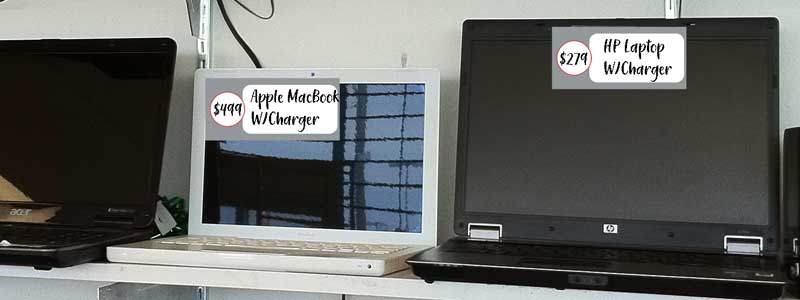
People ask what a pawn shop pays for a laptop when they need cash this afternoon, not next week. That urgency is the whole reason pawn offers are low: you are paying for speed and certainty, and the broker is pricing in the risk that the machine sits unsold on a shelf.
No honest guide can quote you a figure for your model. What it can do is explain how brokers arrive at a number, what the regulated cost of a pawn loan actually is, and what the alternatives pay if you can wait a few days.

What’s Inside
- 1 – Pawning Versus Selling a Laptop: What Changes
- 2 – What a Pawn Loan on a Laptop Actually Costs
- 3 – How Pawnbrokers Price a Used Laptop
- 4 – The Alternatives Usually Pay More
- 5 – Preparing Your Laptop Before You Walk In
- 6 – Getting a Better Offer at the Counter
- 7 – ID Checks and Police Reporting at Pawn Shops
- 8 – Pawn Shop Laptop Value Questions Answered
- 9 – Final Thoughts on Pawning or Selling a Laptop
Pawning Versus Selling a Laptop: What Changes
Pawning is a secured loan. You hand over the laptop as collateral, take a smaller sum of cash, and repay the loan plus a service charge to get it back. Selling is outright — you get more money and never see the machine again.
Because the broker has to be able to recover the loan by selling a laptop that may be months older by then, pawn offers sit below sale offers on the same machine. If you have no intention of redeeming it, selling is the better transaction.
Miss the deadline and the item is forfeited. Texas, for example, gives borrowers a grace period of up to 30 days after the due date, after which the item may become the property of the pawnbroker and be sold. Terms vary by state, so read the pawn ticket.
What a Pawn Loan on a Laptop Actually Costs
Pawn service charges are capped by state law, and the caps are high. Florida allows a maximum pawn service charge of 25 percent of the amount financed for each 30-day period, with a $5 minimum.
Texas illustrates the annualized cost plainly. The state’s own consumer factsheet gives the example of a $100 pawn loan carrying charges of up to $20 a month, which it describes as 240% APR. The Texas Legislature sets those maximums.
The loans themselves are small. The National Pawnbrokers Association states that pawn transactions average less than $180 nationwide, and that brokers make thousands of loans daily for less than $50. That average covers jewelry and tools as well as electronics, and it is a useful reality check against expectations set by television.
How Pawnbrokers Price a Used Laptop

A broker works backwards from what the machine will fetch on their own shelf, then subtracts the cost of holding it, testing it, and the chance it never sells. Laptops are a harder category than gold: they depreciate every month, they can arrive with faults that only appear later, and buyers can compare prices online while standing in the shop.
These are the factors that move the number, and they are the same ones the original version of this guide listed:
- Physical condition — scratches, dents, cracked bezels, worn keycaps, hinge play
- Basic functionality — screen, keyboard, trackpad, speakers, microphone, camera, ports
- Model and release year
- Processor model and generation
- RAM capacity, and whether it can be increased at all
- Storage type and size — SSD or mechanical drive
- Battery health, because a pack that lasts 40 minutes is a visible fault on the counter
- Charger, box, receipt or warranty documentation
Two constraints have hit older machines hard since this guide was first written. Microsoft ended Windows 10 support on 14 October 2025, so a laptop that cannot meet the Windows 11 hardware requirements is now a much weaker sale for a shop that has to resell it to a general customer.
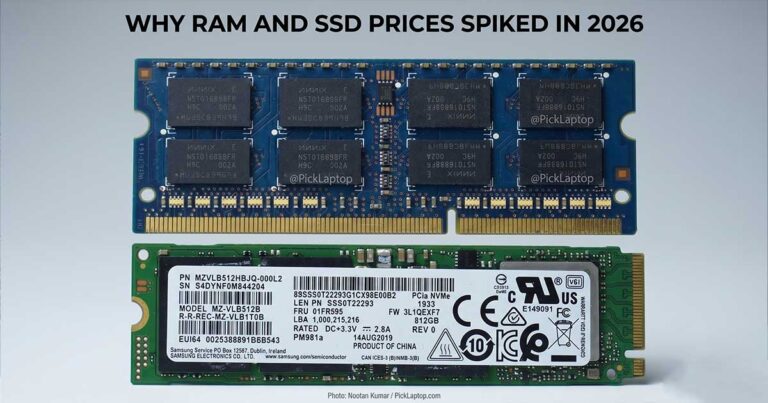
The second is upgradeability. Soldered memory is now standard in thin laptops, which removes the cheap refresh a shop or buyer could once perform, and memory and storage pricing has moved sharply in 2026 — helpful for machines that are still expandable, irrelevant for the ones that are not.
Getting an Estimate Before You Go
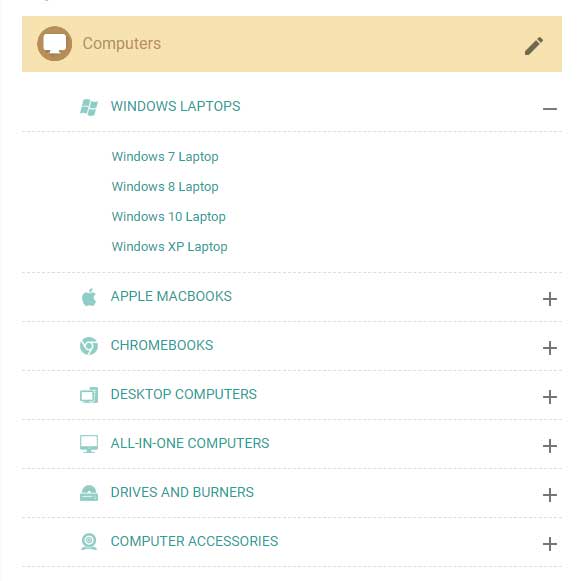
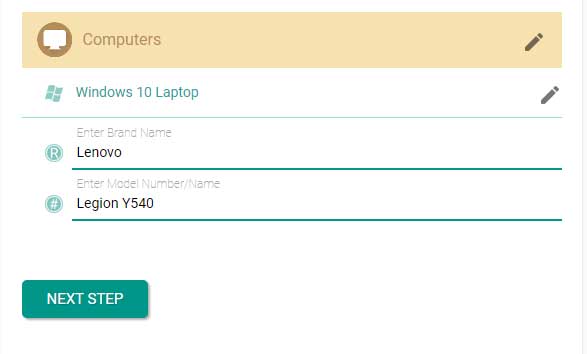
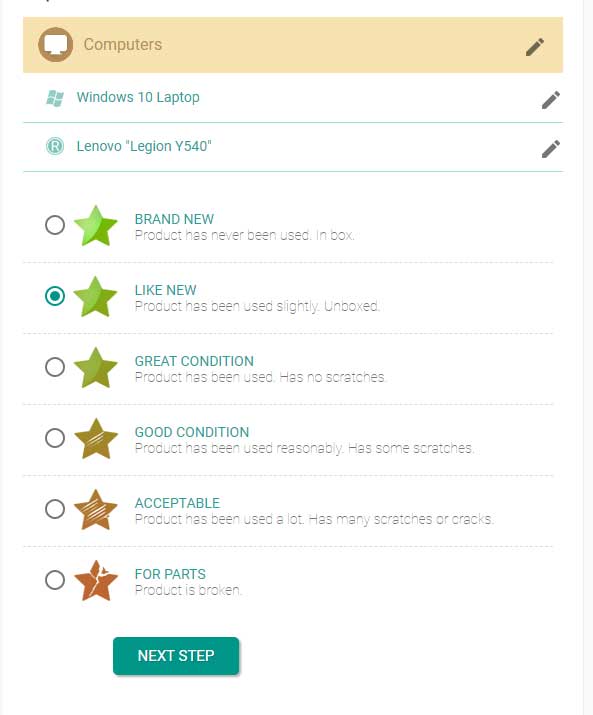
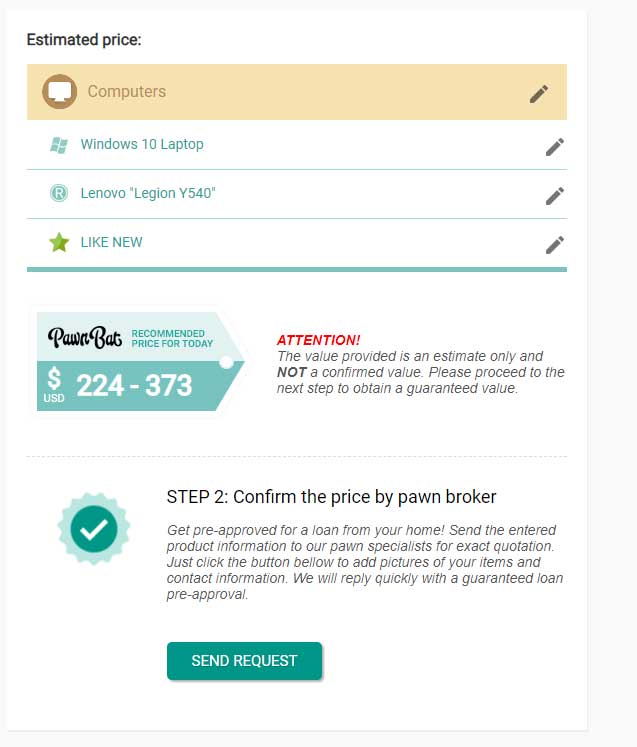
Online pawn estimators give you a rough anchor. PawnBat’s estimator asks you to pick a category and supply the make and model, and chains such as Pawn America publish their own resale listings, which show what shops in that market actually charge for comparable machines.
Treat these as indicative rather than a quote. The number that matters is what a local broker offers after handling the machine.
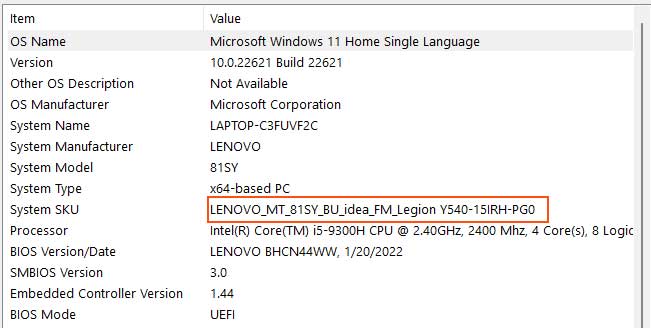
You will need the exact model and specification to get anything useful out of them. On Windows, click Start, type system information and open the result — the summary page lists the system model, processor and installed memory.
The estimator walks through four questions in sequence — device type, make and model, condition, then missing accessories — before returning a range. The screenshots below record how that flow looked when this guide was first written; the site has been redesigned since, so the steps are the same but the screens will not match what you see today.
The Alternatives Usually Pay More
A pawn shop is competing against several routes that pay better in exchange for waiting a few days.
Manufacturer and Retailer Trade-In
Apple, Dell, HP, Lenovo and the large electronics retailers all run trade-in programs. Apple Trade In states that values vary with condition, year and configuration, and lets you take the credit against a new purchase or as an Apple Gift Card.
The catch is that credit is often store credit rather than cash. That is fine if you are replacing the machine anyway and poor if you needed money for something else.
Selling Direct to a Buyer
A private sale gets closest to market value because no middleman needs a margin. It also takes longer, exposes you to time-wasters, and carries fees on most platforms — eBay charges a final value fee of 13.6% of the total sale amount in most categories, plus a per-order fee of $0.30 or $0.40.
Local cash sales avoid the fee entirely. Meet in a public place, let the buyer test the machine, and do not ship anything you have not been paid for.
Recycling When There Is No Resale Value
Some laptops are worth nothing to anybody — a dead board, a cracked panel on a ten-year-old chassis, a machine with no path to a supported operating system. Pawnbrokers will decline these, because a broken laptop is inventory they cannot move.
That does not mean the bin. Apple will recycle a device with no trade-in value free of charge, and most manufacturers and large retailers run equivalent take-back schemes; our walkthrough of the steps for recycling an old laptop covers wiping and drop-off options in detail. The lithium battery inside is the reason curbside disposal is unsafe.
Preparing Your Laptop Before You Walk In
Preparation moves the offer more than negotiation does. A clean, charged, fully working machine with its charger reads as low risk; a dusty one with 8% battery and no power supply reads as a problem.
Back Up and Wipe Your Data First
Assume nobody will wipe it for you. Back up what you need, then erase the drive yourself before the machine leaves your hands. On Windows 11 the route is Settings > System > Recovery > Reset PC, choosing Remove everything and then enabling Clean data — Microsoft’s own instruction is that this option is the one to use if you are planning to donate, recycle or sell your PC. Sign out of your Microsoft or Apple account first so the device is not still tied to it.
If you are pawning rather than selling, the same logic applies with a wrinkle: you may get the machine back, but it will have been in a stockroom in the meantime. Copy off what matters and wipe anyway.
Gather the Accessories and Paperwork
The charger is the one that matters, because a shop cannot demonstrate a laptop without one and a replacement eats their margin. The original box, receipt, warranty card, sleeve or bundled mouse all help, and a receipt also establishes the machine is yours to sell.
Clean it properly. Screen, keyboard, palm rest, vents and the ports. It takes ten minutes and it changes the first impression the broker forms.
Check the Shop Takes Electronics
Not every pawnbroker deals in computers. Some stick to jewelry, tools and instruments because electronics lose value too fast. A phone call before you drive over saves a wasted trip.
Getting a Better Offer at the Counter
Know your model’s current used price before you arrive, from completed listings rather than asking prices. That is your reference point, and without it you are negotiating blind.
Do not explain why you need the money. Urgency is information that works against you, and a broker who knows you cannot leave without cash has no reason to improve the offer.
Get quotes from two or three shops if there are several nearby. Being willing to walk out is the only real leverage in the room, and it is genuine leverage — the broker would rather make a thin margin than no margin.
ID Checks and Police Reporting at Pawn Shops
Expect to be identified and recorded. Florida’s pawnbroking statute requires brokers to record the pledgor’s name, address, telephone number, place of employment, date of birth, physical description and right thumbprint on the transaction form.
Those forms go to law enforcement. The same statute requires transaction forms to be delivered to the appropriate law enforcement officials on or before the end of each business day, and holds goods for at least 30 days before they can be resold. Other states run comparable schemes.
This is routine, and it is the reason to bring proof of ownership if you have it. Bring government-issued photo ID as well.
Pawn Shop Laptop Value Questions Answered
How much will a pawn shop give me for a laptop?
There is no reliable published figure, and any guide quoting a fixed range per brand is guessing. The offer is a fraction of what the shop expects to resell it for, and the National Pawnbrokers Association reports that pawn transactions across all categories average less than $180 nationwide. Get quotes from two or three shops rather than relying on an online range.
Do pawn shops pay less than selling online?
Generally yes, because the broker takes on the resale risk and the holding cost. A private sale gets nearer to market value, though eBay’s final value fee of 13.6% plus a per-order fee eats into that, and it takes days rather than minutes.
What will pawn shops pay the most for?
Items with stable value and easy resale — gold and jewelry, firearms where legal, quality tools, musical instruments and watches. Laptops sit lower down because they depreciate quickly and can hide faults.
Do you have to wipe a laptop before pawning it?
Nobody will do it for you, so yes. Use Windows 11’s Settings > System > Recovery > Reset PC with Remove everything and Clean data, which Microsoft specifies for machines you are selling, donating or recycling, and sign out of your accounts first.
Can you pawn a laptop that doesn’t work?
Rarely. A pawnbroker needs to be able to resell the item to recover the loan, and a machine that will not power on has almost no counter value. Recycling is the realistic route for a dead laptop.
What happens if I don’t repay a pawn loan?
The laptop is forfeited and the broker sells it. Texas allows a grace period of up to 30 days past the due date, after which the item may become the pawnbroker’s property. The specifics are set by state law, so check the pawn ticket.
How do pawn shops determine a laptop’s value?
They estimate the local resale price, then discount it for condition, missing accessories, age, specification and how long they expect it to sit unsold. Battery health, a working charger and a supported operating system all raise the estimate.
Do pawn shops report what you sell them to the police?
In many states, yes. Florida requires brokers to record identification including a thumbprint and to submit transaction forms to law enforcement by the end of each business day, with a minimum 30-day hold before resale. Bring photo ID and proof of ownership if you have it.
Final Thoughts on Pawning or Selling a Laptop
Pawn shops buy speed, and you pay for it in the offer and in a service charge that state regulators themselves describe in triple-digit APR terms. If the cash can wait a few days, a trade-in program or a direct sale will almost always leave you better off — and if the machine is beyond resale, recycling it properly beats leaving it in a drawer.