Docker’s Windows system requirements list Enterprise, Pro, or Education for the WSL 2 backend, and call for hardware virtualization enabled in BIOS/UEFI. Windows Home is not on that list. Neither line shows up on a retail spec sheet, and both decide whether a laptop can run a local container stack at all.
Cloud and DevOps work splits into two halves that place very different demands on hardware. Browser consoles, SSH sessions and Terraform plans against a remote API run on almost anything. Docker containers, a local Kubernetes cluster and a VM or two run on your machine, use your memory, and are what this list is chosen around. Seven laptops for different versions of that job in 2026 are sorted on exactly that basis.
General programming leans differently than infrastructure work does — our software development laptop guide is built around that adjacent set of considerations.
Editor’s Pick
Last update on 2026-10-17 / Affiliate links / Images from Amazon Product Advertising API
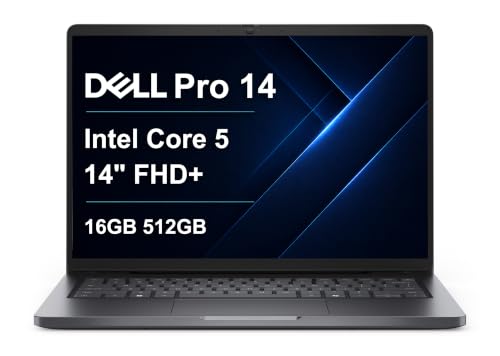
Two DDR5 SODIMM slots to 64GB, so the memory a local container stack eats is something you add later rather than a configuration you commit to on day one — and a business-line BIOS you own rather than one an IT policy has locked.
- Intel Core 5 120U
- 16GB DDR5, two slots, up to 64GB
- Thunderbolt 4, HDMI 2.1, RJ-45 gigabit ethernet
- Windows 11 Pro
What’s Inside
- 1 – Best Laptops for Cloud Computing Buyer's Guide
- 2 – Cloud Computing Laptop Comparison Table
- 3 – Best Laptops for Cloud Computing in 2026: In-Depth Reviews
- 3.1 – 1. Dell Pro 14 (Best Overall)
- 3.2 – 2. Dell 14 Laptop (Best Budget)
- 3.3 – 3. Framework Laptop 13 (Best for Heavy Local Virtualization)
- 3.4 – 4. LG gram Pro 17 (Best Large-Screen Multitasking)
- 3.5 – 5. Apple MacBook Air 13-inch (Best for macOS)
- 3.6 – 6. LG gram 15 (Best Ultraportable / Battery)
- 3.7 – 7. Lenovo ThinkPad E16 Gen 2 (Best Business)
- 4 – Recommended Accessories
- 5 – Which Cloud Computing Laptop Should You Buy?
- 6 – Cloud Computing Laptop FAQ
- 7 – Final Thoughts on Cloud Computing Laptops
Best Laptops for Cloud Computing Buyer’s Guide
Processor and Virtualization Support
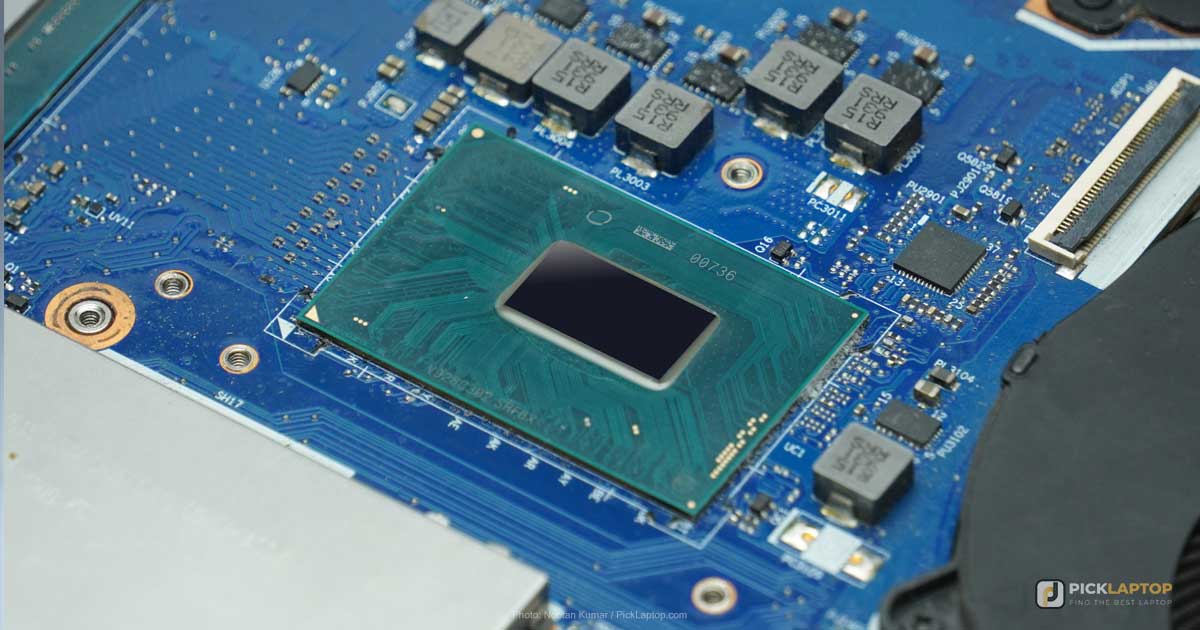
Work done through a browser console or an SSH session puts the load on someone else’s servers, and a mid-range chip is enough for it. The moment the stack moves onto your desk — a compose file with a database, a broker and two services, or a single-node Kubernetes cluster — the CPU is running those processes in a local VM, and core count starts to matter for the same reason it matters on a server.
What the chip can’t fix is firmware. Both of Docker Desktop’s Windows backends need the same two things turned on before anything starts.
Check the BIOS setting before you blame the laptop. Docker’s install documentation lists “Hardware virtualization enabled in BIOS/UEFI” and the WSL 2 feature among its Windows requirements, and Microsoft’s WSL install guide names the Windows optional component involved as Virtual Machine Platform. Docker keeps a troubleshooting topic titled “Docker Desktop fails due to Virtualization not working” for the case where one of them is off. On a machine issued by an employer, BIOS access is often behind an administrator password, and that is a question for IT rather than a setting you can change. If you’re buying your own machine partly to avoid that, the firmware you control is part of what you’re buying. Training models locally rather than running infrastructure is a different GPU-driven job outside this guide’s scope — see our TensorFlow laptop guide for that instead.
Memory
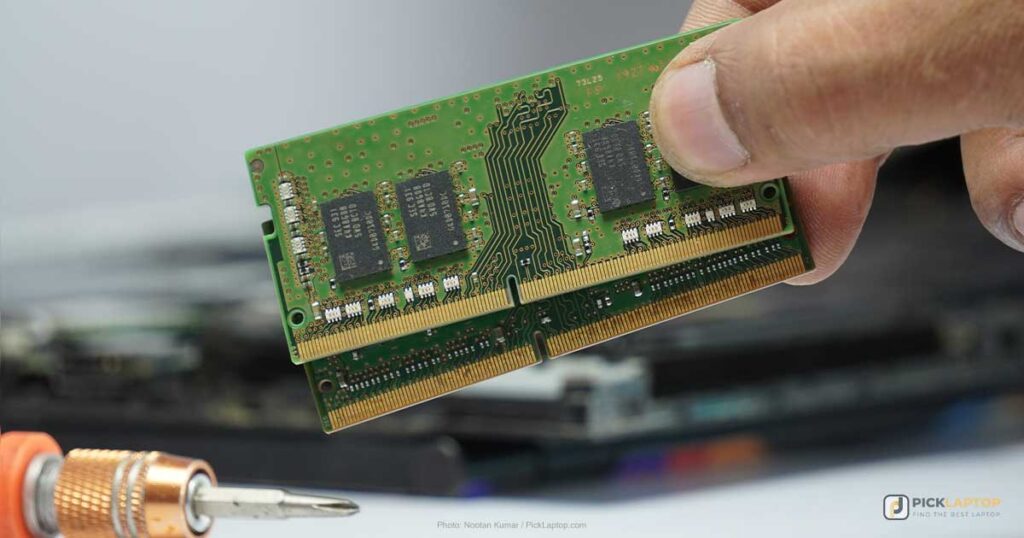
As a practical rule of thumb, count what has to be resident at the same time rather than how big the project is. A database, a cache, a message broker and an app server hold memory for the whole session while spending most of it idle on CPU — the CPU demand comes and goes, the memory does not. On macOS and Windows, Docker Desktop runs those containers inside a Linux VM that takes its own share of host RAM before a single container starts. Add a cluster on top and the floor rises again: minikube’s own start guide asks for 2 CPUs, 2GB of free memory and 20GB of free disk — free, meaning on top of the browser, the editor and the VM already running. 16GB runs a console, an editor and a couple of containers. 32GB is the tier to aim at if a local cluster or a second VM is part of the routine.
Whether you can act on that later is a property of the laptop, not the budget. Three picks here take user-installed SODIMMs; the rest ship memory packaged with the processor, and whatever you order is what you keep.
Storage
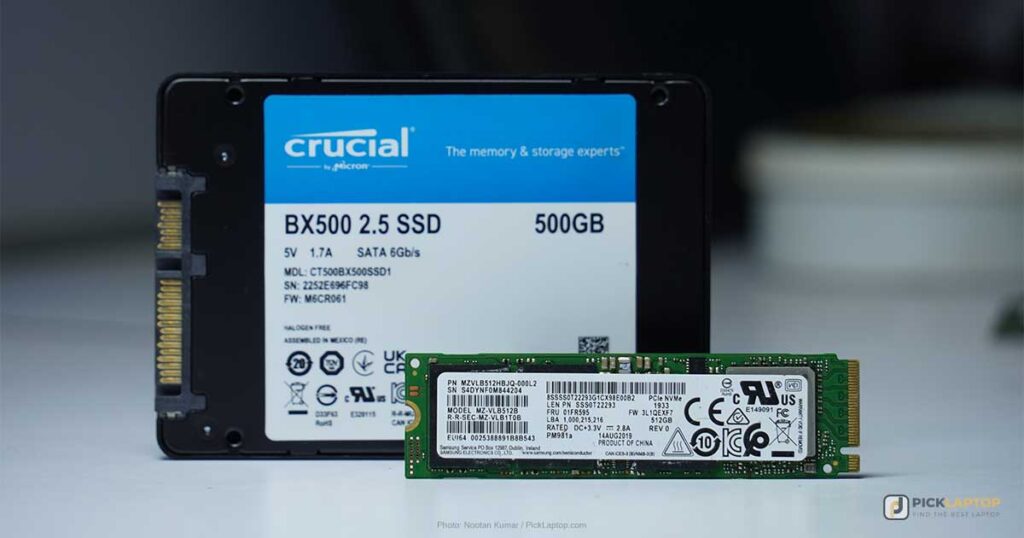
An NVMe SSD is the baseline, and capacity is the specification to prioritize. Image layers accumulate quietly — every base image, every intermediate build layer and every VM disk stays on the drive until something prunes it. 512GB is workable if you clean up; 1TB stops the question coming up.
Display and Portability
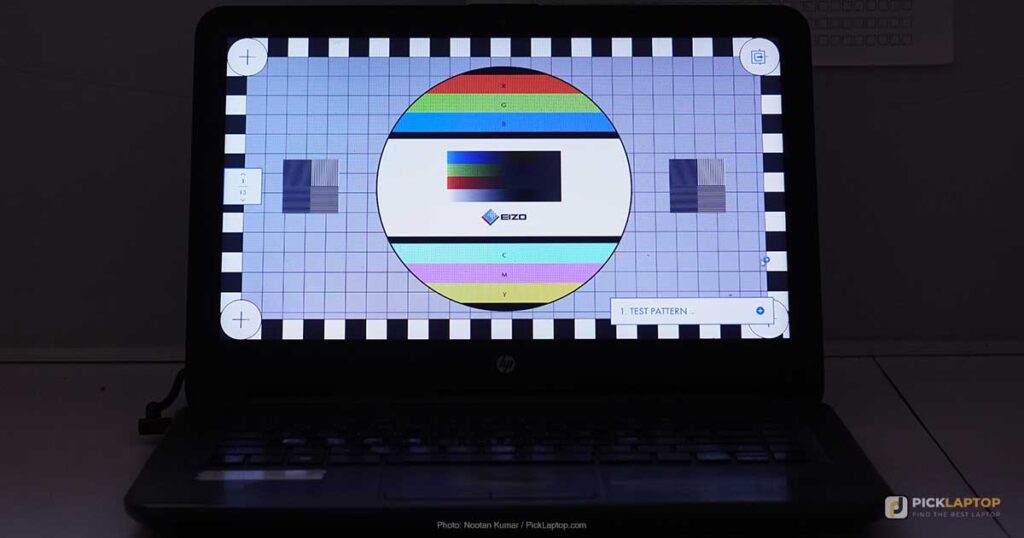
Terminal output, YAML and a cloud console are all text, so the numbers that matter are resolution and aspect ratio: a 16:10 panel at 1920×1200 puts more lines of a manifest on screen before you scroll than a 16:9 panel at 1920×1080, and a 2560×1600 panel keeps that text sharp after UI scaling. Panel type settles less than it sounds like it does — IPS describes viewing-angle behavior, not brightness or color accuracy, and the picks below include IPS panels rated anywhere from 300 to 400 nits. For a screen you read all day, check the measured brightness figure and whether the finish is anti-glare or gloss.
Weight is the other half of the same decision, and it pulls the opposite way. The heaviest and lightest picks here are separated by more than a kilogram.
Battery Life
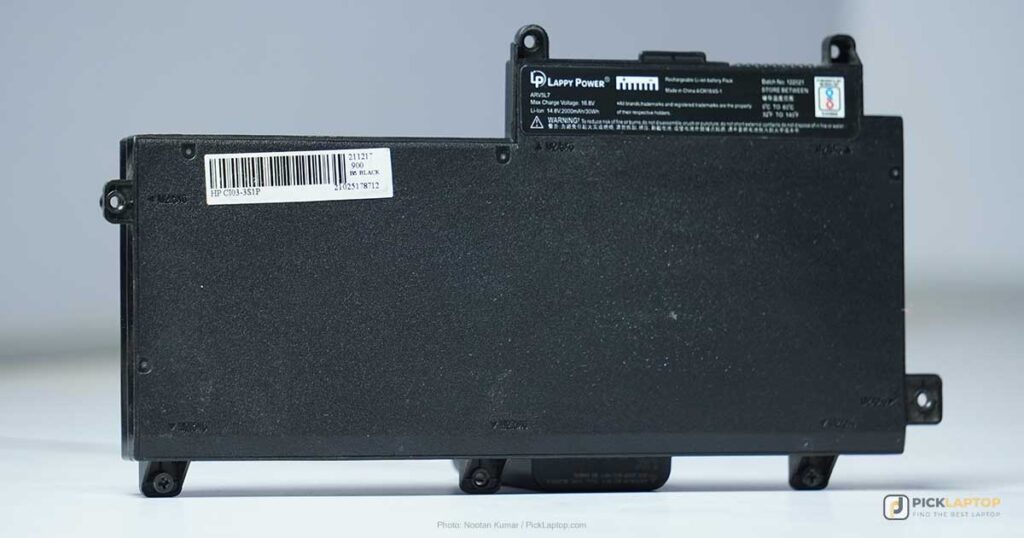
Headline runtime numbers are ratings, not measurements, and the test behind them is usually idle video. LG states the conditions on its own gram product pages: Full HD video playback, wireless turned off, 150 nits of brightness. Lenovo quotes MobileMark 25 for the ThinkPad below. Apple quotes its own figure for the MacBook Air, and Tom’s Hardware measured that machine at 15 hours 28 minutes against Apple’s 18-hour rating.
None of those tests involve a Kubernetes cluster. A rated figure is useful for ranking machines against each other on the same test; it is not a forecast of your afternoon with four containers running.
Connectivity
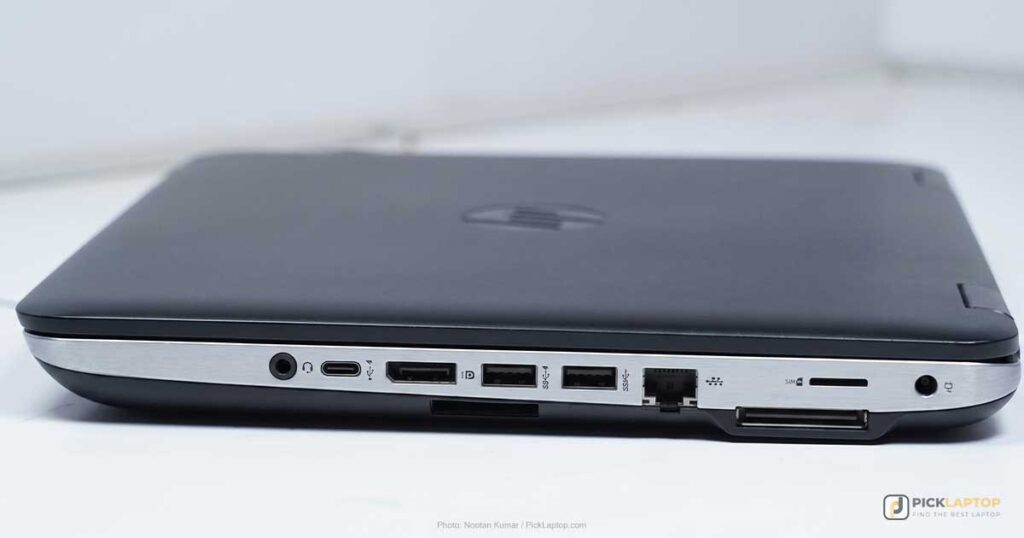
Two things decide how a desk setup behaves. The first is whether the machine has ethernet and video output built in — the business picks here carry RJ-45 and HDMI on the chassis, which is a dock you don’t have to buy. The second is the HDMI version, which is easy to skim past: HDMI 2.1 drives a 4K monitor at 60Hz, while HDMI 1.4 on the budget pick tops out at 4K30, and 30Hz is unpleasant to read text on.
Thunderbolt 4 matters if you want one cable at the desk carrying displays, ethernet and charging together, and it is worth nothing if you never dock. Running several monitors off one cable is its own topic, and our multi-monitor laptop guide goes further into it.
Cloud Computing Laptop Comparison Table




Last update on 2026-10-17 / Affiliate links / Images from Amazon Product Advertising API
Framework Laptop 13 isn’t sold on Amazon and isn’t included in the table above — see its full review below.
Best Laptops for Cloud Computing in 2026: In-Depth Reviews
Seven machines for different versions of the same job — from a business laptop whose firmware you control to a modular one you can take to 96GB.
1. Dell Pro 14 (Best Overall)
Best Overall
Last update on 2026-10-17 / Affiliate links / Images from Amazon Product Advertising API
- ProcessorIntel Core 5 120U
- GPUIntel integrated
- RAM16GB DDR5 (two SODIMM slots, up to 64GB)
- Storage512GB SSD
- Display14-inch FHD+ (1920×1200) IPS, anti-glare
- OSWindows 11 Pro
This is the Latitude line under its new name, and the reason it leads a cloud list is memory rather than speed. Dell’s owner’s manual lists two DDR5 SODIMM slots and a 64GB maximum, so a 16GB machine bought now becomes a 32GB or 64GB machine later for the cost of memory. That matters more here than a faster chip would, because a local stack runs out of RAM long before it runs out of cores.
One detail to check on the listing: the same manual shows 16GB shipping either as 2 x 8GB in dual-channel or as a single 16GB module in single-channel. A single module leaves the second slot open, which is the cheaper path to 32GB; a matched pair runs dual-channel from the start. Both are sold, and the product page doesn’t always say which is in the box.
Dell’s datasheet lists one Thunderbolt 4 port, a second USB-C with DisplayPort and power delivery, two USB-A, HDMI 2.1, RJ-45 gigabit ethernet, MIL-STD-810H testing and a 2.99 lb starting weight. Wired ethernet and HDMI on the chassis mean the office desk works without buying anything, and the Thunderbolt port is there for the day you want a single-cable dock instead.
Dell’s datasheet puts the entry 14-inch FHD+ display at 300 nits and 45% NTSC — thin color coverage for a screen meant for eight hours of code — against two step-up options in the same document: a 300-nit 100% sRGB touch panel and a 400-nit 100% sRGB ComfortView Plus panel. A retail listing rarely says which one is in the box, so that’s worth confirming before ordering. Dell’s own datasheet is the only source behind these figures, and nothing on this configuration has crossed an independent test bench yet.
Pros
- Two DDR5 SODIMM slots to 64GB — memory you can add yourself
- RJ-45 ethernet and HDMI 2.1 built in, plus one Thunderbolt 4 port
- MIL-STD-810H tested at a 2.99 lb starting weight
Cons
- Entry panel is rated 300 nits and 45% NTSC
- 16GB ships single-channel on some configurations
- No independent lab testing published for this configuration
2. Dell 14 Laptop (Best Budget)
Best Budget
Last update on 2026-09-12 / Affiliate links / Images from Amazon Product Advertising API
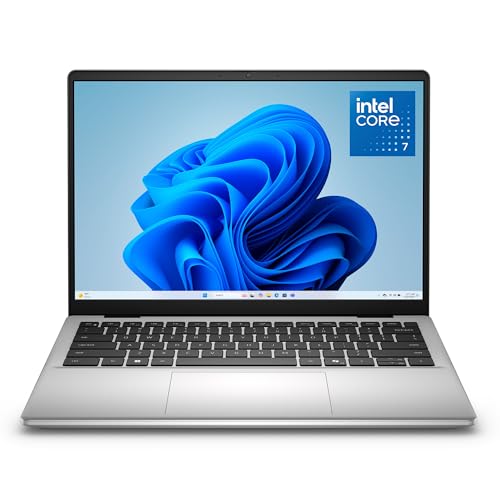
- ProcessorIntel Core 7 150U
- GPUIntel integrated
- RAM16GB DDR5
- Storage1TB SSD
- Display14-inch FHD+ (1920×1200) IPS, anti-glare
- OSWindows 11 Home
Read the Windows edition before anything else on this one. Docker’s system requirements name Enterprise, Pro or Education for both Windows backends, and Docker states that Home and Education editions can only run Linux containers. Linux containers are what most cloud work uses, so a Home machine covers the common case — but if your pipeline builds Windows images locally, this configuration is outside what Docker supports, and an upgrade to Pro is an extra cost to plan for rather than a surprise later.
Past that, this is the machine to learn on. A Core 7 150U, 16GB of DDR5 and a 1TB SSD handle the load this tier is built for — a browser tab or two, an editor, and a small compose stack of two or three services — without hitting a wall. The 1TB drive is the part that lasts longest, because pulled images are what fill a budget laptop first.
Dell’s product brief is the only published documentation of this configuration — no independent lab has tested it. Two things in that brief are worth reading before you order: the video output is HDMI 1.4, which caps an external 4K monitor at 30Hz, and the battery ships anywhere from 41Wh to 64Wh depending on configuration. Heavy local Kubernetes sits outside what this machine is built for, and that is a fair boundary at this tier.
Pros
- Core 7 150U and 16GB DDR5 at the entry tier
- 1TB SSD absorbs pulled images and VM disks
- Anti-glare 1920×1200 panel for reading terminal output
Cons
- Windows Home is outside Docker’s listed editions, and can’t run Windows containers
- HDMI 1.4 limits an external 4K monitor to 30Hz
- No independent lab testing published for this configuration
3. Framework Laptop 13 (Best for Heavy Local Virtualization)
Best for Heavy Local Virtualization
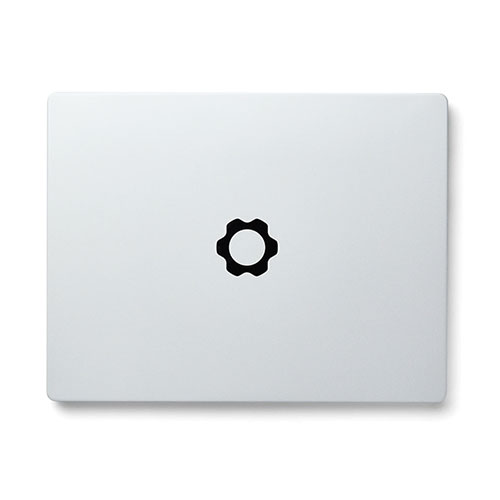
Framework Laptop 13
Up to 96GB of user-installed DDR5 and the only officially vendor-supported Linux configurations on this list — Ubuntu and Fedora, with Framework’s own customer support behind them.
- ProcessorAMD Ryzen AI 300 series
- GPUAMD Radeon (integrated)
- RAMDDR5, two slots, up to 96GB
- StorageUser-supplied M.2 NVMe, up to 8TB
- Display13.5-inch 3:2 matte, 2256×1504 or 2880×1920
- OSSold with Windows 11 or as a DIY Edition
“Linux support” has a precise meaning on this machine, and it isn’t the blanket one. Framework officially supports Ubuntu and Fedora, describing deep engineering collaboration with those partners and its own customer support behind them; Bazzite, Arch Linux, NixOS and Linux Mint sit in a community-supported tier that Framework says it does not internally validate. If you run Ubuntu or Fedora on it, there is a vendor to escalate to. If you run Arch, there is a community and a hardware-seeding program, which is a different thing.
The reason it holds the heavy-virtualization slot is the ceiling. Framework lists up to 96GB of DDR5 on the Ryzen AI 300 configurations and M.2 drives up to 8TB, half again more memory than the two ThinkPad-and-Dell picks cap out at. A cluster, three VMs and a browser session stop being a planning exercise at that number. Ports are chosen through the Expansion Card system rather than fixed, so the desk mix and the travel mix can be different.
Sustained load is the cost. Engadget found plenty of fan noise and heat under heavy load on this Ryzen AI 300 version, attributing it to the modular layout that routes all cooling through the mainboard’s single fan. A long build or a cluster left running is exactly that kind of load, so plan on hearing it.
Pros
- Up to 96GB of user-installed DDR5 — the highest memory ceiling here
- Ubuntu and Fedora officially supported by the manufacturer
- Expansion Card ports and a user-supplied M.2 drive
Cons
- Not sold on Amazon — direct order only
- Audible fan noise under sustained load
- Other distributions are community-tier, not vendor-validated
4. LG gram Pro 17 (Best Large-Screen Multitasking)
Best Large-Screen Multitasking
Last update on 2026-10-17 / Affiliate links / Images from Amazon Product Advertising API
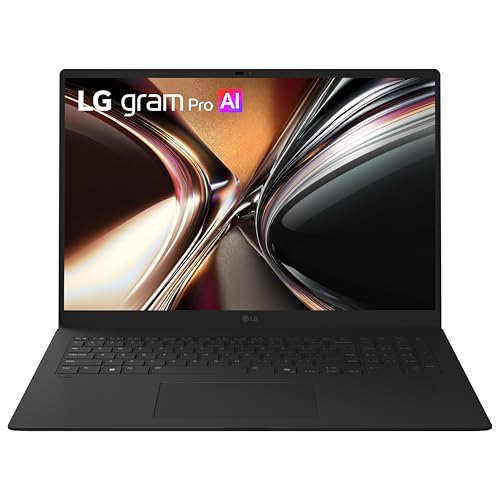
- ProcessorIntel Core Ultra 7 355
- GPUIntel integrated
- RAM32GB LPDDR5X (soldered)
- Storage1TB NVMe SSD
- Display17-inch WQXGA (2560×1600) IPS
- Battery77Wh
A 17-inch 2560×1600 panel holds a terminal, a cloud console and a page of documentation side by side without a second monitor, and this one does it at a weight the size doesn’t predict: LG lists the 32GB configuration at 3 lbs and says the chassis passed seven MIL-STD-810H tests. That combination is the whole argument for it. If you work at one desk, an external monitor does the same job for less money and less to carry.
32GB ships as standard, which puts a local cluster and a couple of VMs inside the memory budget without an upgrade — and it has to, because the memory is LPDDR5X soldered to the board. There’s no add-later option on this one, so the 32GB configuration is the one to buy rather than the 16GB.
LG rates the machine at up to 27.5 hours of video playback, on its own test with wireless off at 150 nits; Notebookcheck lists the battery at 77Wh and the panel at 350 nits. Treat the runtime figure as a class marker rather than a working day with containers running. This configuration hasn’t been through independent testing yet, so LG’s own numbers are what’s available.
Pros
- 17-inch 2560×1600 panel at a 3 lb listed weight
- 32GB standard — a local cluster and VMs without upgrading first
- 77Wh battery and seven MIL-STD-810H tests, per LG
Cons
- Memory is soldered — 32GB is the ceiling
- A 17-inch laptop is still a 17-inch laptop in a bag
- Runtime figure is LG’s video-playback rating, not a measured result
5. Apple MacBook Air 13-inch (Best for macOS)
Best macOS Pick
Last update on 2026-10-17 / Affiliate links / Images from Amazon Product Advertising API
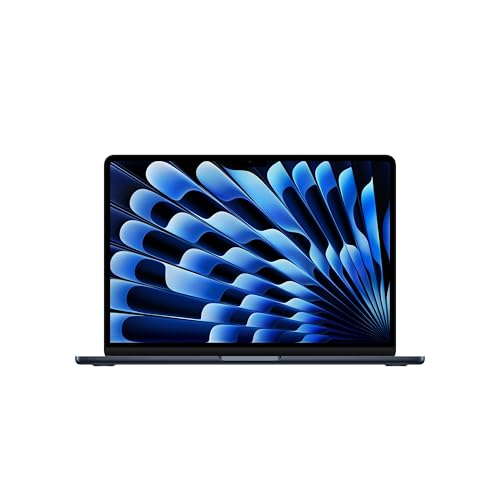
- ProcessorApple M5
- GPUIntegrated
- RAM16GB unified
- Storage512GB SSD
- Display13.6-inch Liquid Retina
- BatteryUp to 18 hours (Apple rating)
The architecture question comes before the hardware one. An M5 is arm64, and most cloud infrastructure still deploys to linux/amd64. Pulling and running multi-arch images is unremarkable; building an amd64 image on this machine is not, because it falls back to emulation — Docker’s own multi-platform guide says emulation with QEMU “can be much slower than native builds, especially for compute-heavy tasks like compilation and compression or decompression,” and points at native builders or cross-compilation instead. If your images are built in CI, none of that touches you. If you build release artifacts on your laptop, it does.
The rest of the setup is straightforward. Docker Desktop runs containers in a Linux VM here as it does on Windows, with Docker’s settings offering a choice of virtual machine manager — Docker VMM, which Docker labels Beta, Apple’s Virtualization framework, or QEMU. There is no BIOS step to get wrong, which removes the single most common reason a new Windows machine won’t start a container.
What the fanless chassis costs shows up under sustained load. Tom’s Hardware watched the M5 open a Cinebench 2026 stress loop at 3,415 and settle in the low 2,300s, measured the display at 458.8 nits, and recorded 15 hours 28 minutes on its battery test against Apple’s 18-hour rating. Console work and a few containers never reach that throttling point; a cluster left running for an afternoon does.
16GB of unified memory is the harder limit, and it is soldered. That is the tier this guide calls workable rather than comfortable, and on a Mac the Linux VM takes its share of it before your containers do.
Pros
- 15h28m measured by Tom’s Hardware, and silent in normal use
- No BIOS virtualization step to get wrong
- 458.8-nit measured display in a 13-inch chassis
Cons
- Building amd64 images means QEMU emulation, which Docker warns is much slower
- Measured throttling under sustained load — fanless
- 16GB unified memory, soldered
6. LG gram 15 (Best Ultraportable / Battery)
Best Ultraportable
Last update on 2026-10-17 / Affiliate links / Images from Amazon Product Advertising API
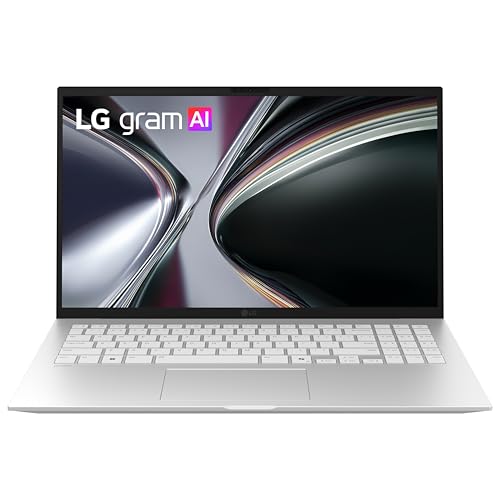
- ProcessorAMD Ryzen AI 7 450
- GPUAMD Radeon (integrated)
- RAM16GB (32GB configurations available)
- Storage512GB SSD
- Display15.6-inch FHD IPS touch
- Battery28 hours (LG rating)
Weight is the whole argument here, for a week that happens in other people’s buildings. Around 2.8 lbs for a 15.6-inch machine is the lightest arrangement on this list, and the LG rating is the highest quoted figure here — though that figure is LG’s video-playback test, and LG’s stated conditions for it are wireless off at 150 nits.
Two things narrow who it suits. The panel is 1920×1080 across 15.6 inches, so it shows fewer lines of a manifest than the 1920×1200 picks and fewer still than the 2560×1600 ones — a bigger screen here does not mean more text. And 16GB is the base configuration, which is comfortable for a terminal, an editor and a few running containers but starts to strain the moment a local cluster joins them; a 32GB configuration exists and is the one to order if that describes your work, because this memory isn’t user-installed either.
Coverage is the honest weak point of this entry. This configuration hasn’t turned up in any independent lab test, and LG’s own product page for it was not available at the time of writing, so the runtime and weight figures above come from the retail listing rather than from a test or a manufacturer specification sheet. Treat them as provisional.
Pros
- Around 2.8 lbs — the lightest machine on this list
- Highest quoted runtime figure of the picks here
- 32GB configuration available
Cons
- 1080p across 15.6 inches shows less text than the smaller picks
- 16GB base memory is tight for a local cluster, and isn’t user-installed
- No independent testing or manufacturer spec sheet located for this configuration
7. Lenovo ThinkPad E16 Gen 2 (Best Business)
Best Business
Last update on 2026-10-17 / Affiliate links / Images from Amazon Product Advertising API
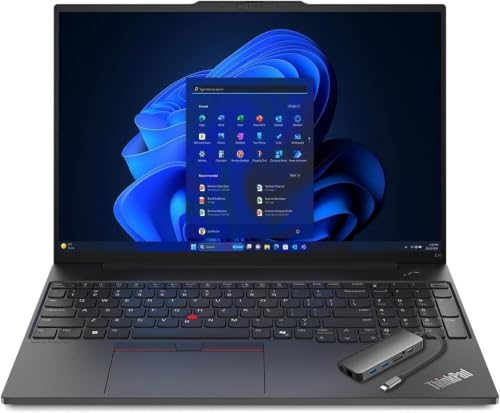
- ProcessorAMD Ryzen 7 7735HS (8-core)
- GPUAMD Radeon 680M (integrated)
- RAM16GB DDR5 (two SODIMM slots, up to 64GB)
- Storage512GB PCIe Gen 4 SSD
- Display16-inch WUXGA IPS
- OSWindows 11 Pro
Two slots for memory and two for storage is an unusual combination at this tier. Lenovo’s spec sheet lists two user-accessible DDR5 SODIMM slots (64GB total) and two PCIe Gen 4 M.2 slots, one 2242 and one 2280 — so both of the things a container workflow consumes, memory and disk, can be added after purchase. The Ryzen 7 7735HS is an eight-core H-series part rather than the 15W U-series chips in the two Dell picks, which is the other reason this one holds the business slot for anyone running VMs rather than tabs.
The same spec sheet puts the desk setup on solid ground: HDMI 2.1 at 4K/60Hz, two USB-C ports with DisplayPort 1.4, and support for up to four independent displays — the built-in panel plus three external. Battery ships as 47Wh or 57Wh, with Lenovo quoting up to 12.68 hours on MobileMark 25 for the larger one. It is MIL-STD-810H tested with a spill-resistant keyboard and 1.5mm of key travel.
The costs are weight and the entry display. At 3.92 lbs this is the heaviest machine on the list by a clear margin, built for a desk that occasionally travels rather than a bag that occasionally sits still. Lenovo’s spec sheet also lists three different 16-inch panel options for this chassis — a base WUXGA option at 300 nits, 45% NTSC, a step-up 100% sRGB WUXGA at 400 nits, and a WQXGA option — with nothing on a retail listing to say which one ships in a given order. These are Lenovo’s own figures; nobody outside Lenovo has independently measured the Ryzen 7 7735HS configuration.
Pros
- Two SODIMM slots to 64GB and two M.2 slots
- Eight-core H-series Ryzen rather than a 15W U-series chip
- Up to four independent displays; HDMI 2.1 at 4K/60Hz
Cons
- Heaviest pick here at a 3.92 lb starting weight
- Entry panel is rated 300 nits and 45% NTSC
- No independent lab testing published for this configuration
Recommended Accessories


Last update on 2026-09-05 / Affiliate links / Images from Amazon Product Advertising API
Which Cloud Computing Laptop Should You Buy?
| Best For | Pick |
|---|---|
| Overall | Dell Pro 14 |
| Budget | Dell 14 Laptop |
| Heavy Local Virtualization | Framework Laptop 13 |
| Large-Screen Multitasking | LG gram Pro 17 |
| macOS | Apple MacBook Air 13-inch |
| Ultraportable / Battery | LG gram 15 |
| Business | Lenovo ThinkPad E16 Gen 2 |
Cloud Computing Laptop FAQ
Do I need a powerful laptop for cloud computing?
It depends on where the work runs. A day of cloud consoles, SSH and Terraform against a remote API is light on hardware by any measure. A day with a compose stack and a single-node cluster on your own machine is not, and the thing that runs out first is memory rather than CPU. The useful test before buying: open everything you normally have open at once and look at what memory sits committed while the CPU is idle. That number is what you’re shopping for.
Why won’t Docker Desktop start on my new Windows laptop?
Two separate switches have to be on, and Windows can tell you which one is missing before you go hunting in firmware. Open Task Manager’s Performance tab and check the CPU panel — it reports “Virtualization: Enabled” or “Disabled” directly, which is faster than rebooting into the BIOS to look. If that already reads Enabled and Docker still won’t start, the problem is more likely WSL 2 itself: run wsl --update from a terminal, since an outdated WSL kernel is a common cause that has nothing to do with firmware. Only go digging into the BIOS menu — usually under CPU, Advanced or Security — if Task Manager shows virtualization off, and expect that menu to be locked on a company-issued machine.
How much RAM do I need for cloud computing work?
That depends less on lines of code than on how much has to sit in memory at once, and the sizing is additive in a way that surprises people: minikube’s own documentation asks for 2GB of free memory on top of whatever the Docker Desktop VM and the browser are already holding, which is how a “16GB should be plenty” machine runs out mid-afternoon. The more useful question before buying is whether you can fix an undersized machine later without replacing it. Three picks here — the Dell Pro 14, the ThinkPad E16 and the Framework — take user-installed SODIMMs, so 16GB now can become 32GB or more for the cost of memory alone. The MacBook Air and both LG grams solder their memory to the board, so whatever configuration you order is the ceiling for the life of the machine.
Is macOS or Windows better for cloud computing?
Both run containers inside a Linux VM, so the everyday experience is closer than the argument suggests. The differences that matter are at the edges. Windows needs the BIOS virtualization step and Docker lists Enterprise, Pro or Education editions rather than Home. Apple Silicon is arm64, so building linux/amd64 images locally falls back to QEMU emulation, which Docker warns is much slower than a native build. Pick on which of those two you actually hit.
Do I need a dedicated GPU for cloud computing?
No. Consoles, containers, VMs and infrastructure-as-code make no use of one, and on a laptop a discrete GPU costs weight, heat and battery every day whether or not it is doing anything. The money is better spent on memory or storage, both of which this work uses constantly. The exception is local model training, which is a different guide.
Should I prioritize battery life or raw performance?
Look at the runtime figure’s fine print first. Manufacturers publish ratings from idle video-playback tests — LG rates its grams with the wireless radio off and the screen fixed at 150 nits — and Tom’s Hardware measured the MacBook Air at 15h28m against an 18-hour rating on a browsing test, not a container one. Nothing published tells you what four containers do to a battery. If you’re mobile most days, buy the light machine and accept charging; if you’re desk-based with local infrastructure running, memory is the specification that changes your day.
Final Thoughts on Cloud Computing Laptops
Two checks settle most of this list. The first is firmware: virtualization enabled in BIOS/UEFI, and a Windows edition Docker actually lists. The second is memory — how much the machine holds, and whether you can add it later. Cores and clock speeds separate these seven far less than those two questions do.