You just landed the offer, and now you’re staring at a laptop listing wondering whether 32GB of RAM is a requirement or a marketing line. Your firm will hand you a locked-down corporate machine on day one — but between now and then, and for the personal work that machine was never meant for, you need something of your own that keeps up.
Two facts decide more of this than any benchmark. Excel spreads a recalculation across processor cores, but Microsoft’s own performance documentation lists what always calculates on a single thread — data tables, circular references, VBA user-defined functions — and those are exactly what deal models are built on. And Windows 11 Home cannot be joined to Microsoft Entra ID or enrolled in your firm’s device management, which quietly rules a machine out of ever touching work email. Neither appears on a spec sheet. Both sit ahead of hardware in the seven laptops matched to different parts of an analyst’s week in 2026.
Editor’s Pick

Last update on 2026-10-17 / Affiliate links / Images from Amazon Product Advertising API
32GB of memory, 2TB of storage and Windows 11 Pro in a machine PCWorld measured at 409 nits and dE 0.65 — a screen you can read cap tables on for twelve hours and an edition of Windows your firm’s IT can actually enroll.
- Intel Core Ultra 7 258V
- 32GB DDR5
- 2TB SSD Gen 5
- 14″ 2.8K OLED
What’s Inside
- 1 – Investment Banking Laptop Buyer's Guide
- 2 – Investment Banking Laptop Comparison Table
- 3 – Best Laptops for Investment Banking: In-Depth Reviews
- 3.1 – 1. Lenovo ThinkPad X1 Carbon Gen 13 Aura Edition (Best Overall)
- 3.2 – 2. Dell 14 Laptop (Best Budget Pick)
- 3.3 – 3. Dell Pro 14 (Best for Multi-Monitor Docking)
- 3.4 – 4. Microsoft Surface Laptop 13.8-inch (Most Portable)
- 3.5 – 5. Apple MacBook Pro 14-inch (Best for macOS)
- 3.6 – 6. LG gram Pro 17 (Best Large-Screen Pick)
- 3.7 – 7. Samsung Galaxy Book6 Pro (Best Premium Touchscreen)
- 4 – Recommended Accessories
- 5 – Which Investment Banking Laptop Should You Buy?
- 6 – Investment Banking Laptop FAQ
- 7 – Final Thoughts on Investment Banking Laptops
Investment Banking Laptop Buyer’s Guide
The working day is spreadsheets, financial models and market data tools that stay open and connected, wrapped in calls and email. Here’s what that workload asks of a laptop, in the order it matters.
Performance
Excel’s multi-threaded calculation is the specific thing core count buys here. Microsoft states that for most large workbooks the calculation gains scale close to linearly with the number of physical processors — and in the same document it names the operations that never get that benefit. Data tables and circular references always calculate single-threaded. So do INDIRECT, GETPIVOTDATA, ERROR.TYPE, HYPERLINK, the CUBE functions, CELL with a format or address argument, and any user-defined function written in VBA or delivered by a COM add-in.
Read that against how a live deal model is actually built. An ordinary formula-driven workbook recalculates faster on eight cores than on four. A model that leans on an iterative data table, or on a VBA function library the firm has carried for a decade, gets one core regardless of what the laptop has — single-core speed is what shortens that one. An Intel Core Ultra 7, an AMD Ryzen AI 7 or an Apple M-series chip clears both cases; the chip a generation back does too.
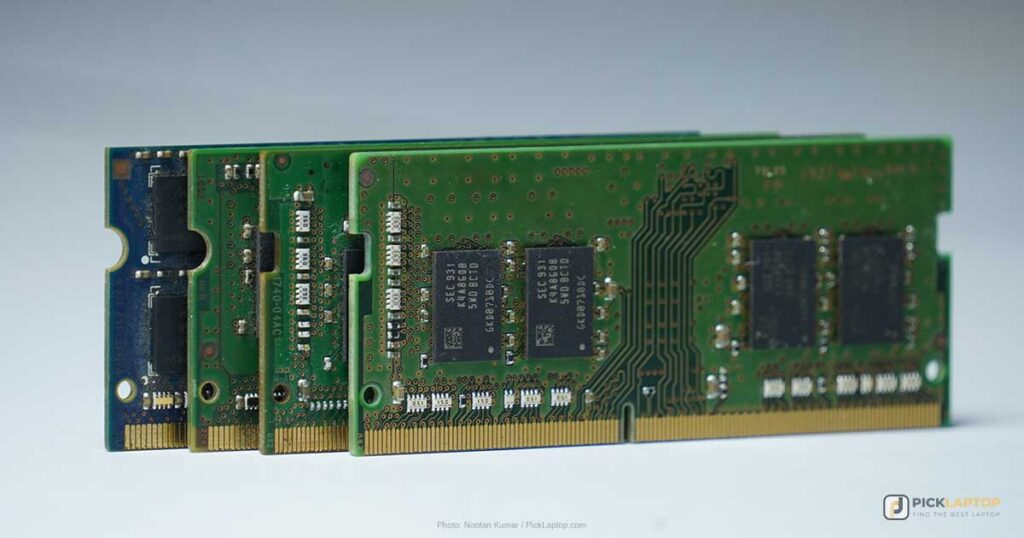
16GB is no longer the safe default it was a few years ago. A dozen Excel workbooks, a Bloomberg Terminal window, Outlook, Teams and a browser sitting at forty tabs are all resident at once — that total is what fills memory, not the size of any one model. 32GB is the comfortable figure for banking work in 2026. Buy it up front: on this list, only the Dell Pro 14 has memory Dell documents as user-replaceable, in two SODIMM slots to 64GB. On the rest, whatever you order is what you keep.
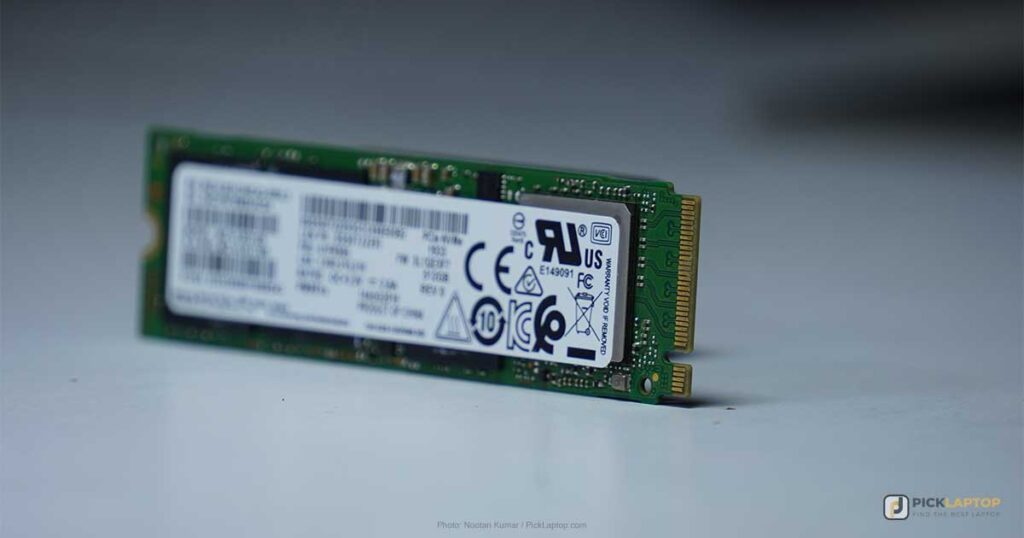
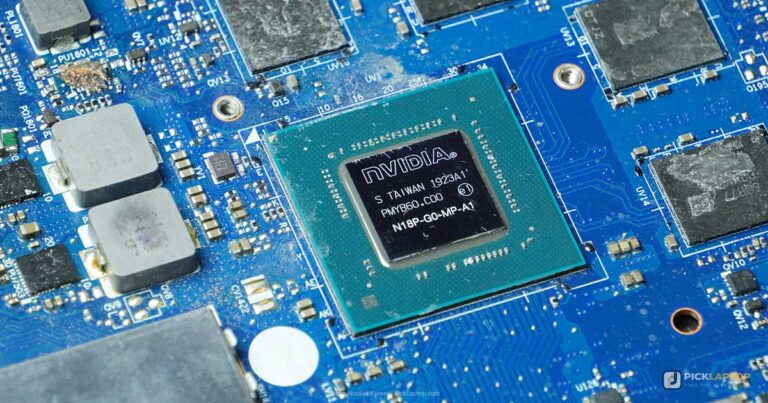
A PCIe SSD is the baseline, and capacity is the specification to prioritize — a shared drive synced locally plus years of pitch decks fills 512GB faster than it looks like it will. A discrete GPU is a different matter: Excel’s calculation engine is a CPU feature, and a graphics card sits idle through a recalculation while adding weight, heat and battery draw. Every pick below runs integrated graphics, and none of them is short of chart-drawing performance because of it.
Windows Edition and Corporate IT
This is the check most buying guides skip and most banks care about. Microsoft’s own edition comparison puts Microsoft Entra ID join, Active Directory domain join with Group Policy, mobile device management, Windows Autopilot, Windows Hello for Business and BitLocker device encryption in Windows 11 Pro and above. Windows 11 Home has none of them.
If there is any chance the machine will need to touch firm resources, buy Pro. A Home laptop cannot be enrolled in Intune, cannot be Entra-joined, and has no BitLocker — so an IT desk asked to approve it for VPN or mailbox access has no mechanism to say yes. Upgrading Home to Pro afterwards is a paid license and a reboot, not a blocker, but it is easier to order correctly than to argue about later. Two picks below ship Home in their consumer listings: the Dell 14 and the Surface Laptop.
Display Quality
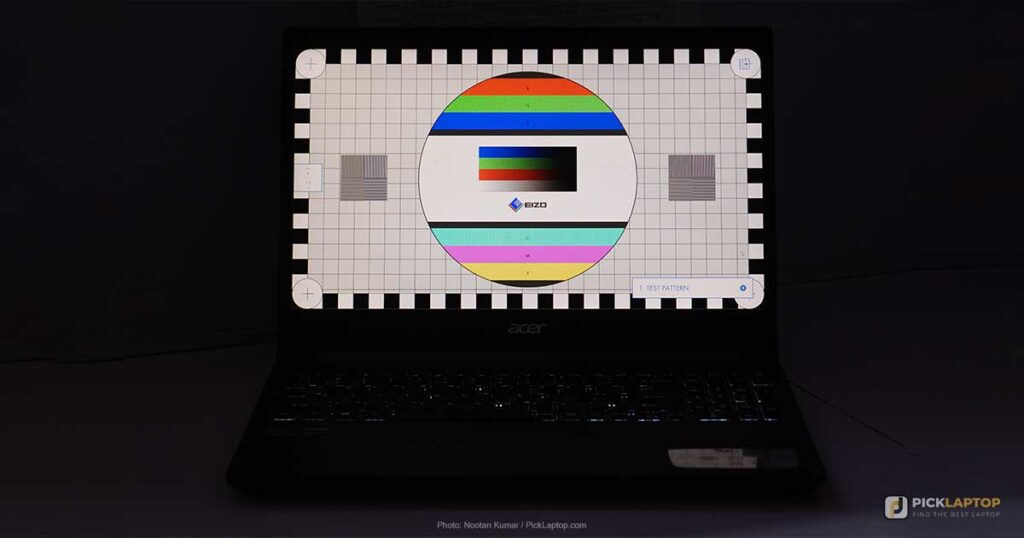
Dense spreadsheets and comparable-company tables are small text read for long stretches, which narrows what to look at. Resolution: on a 14 or 15-inch screen, 1920×1200 (WUXGA) or sharper keeps six-point row labels legible after Windows scaling. Size: a larger panel fits more of a model in one view, and matters less the more of your week is spent docked. Brightness: 300 nits is the floor under office lighting; a panel measured above 400 is what stays readable next to a window. Finish: matte anti-glare is the practical choice on an open floor.
Panel technology names are worth treating carefully. IPS describes viewing-angle behavior, and OLED describes how contrast is produced; neither tells you how bright a given screen is or how accurate its color is. Two of the picks below are OLED and one of them flickers by design — the measured numbers in each review are the part to compare, not the acronym.
Portability
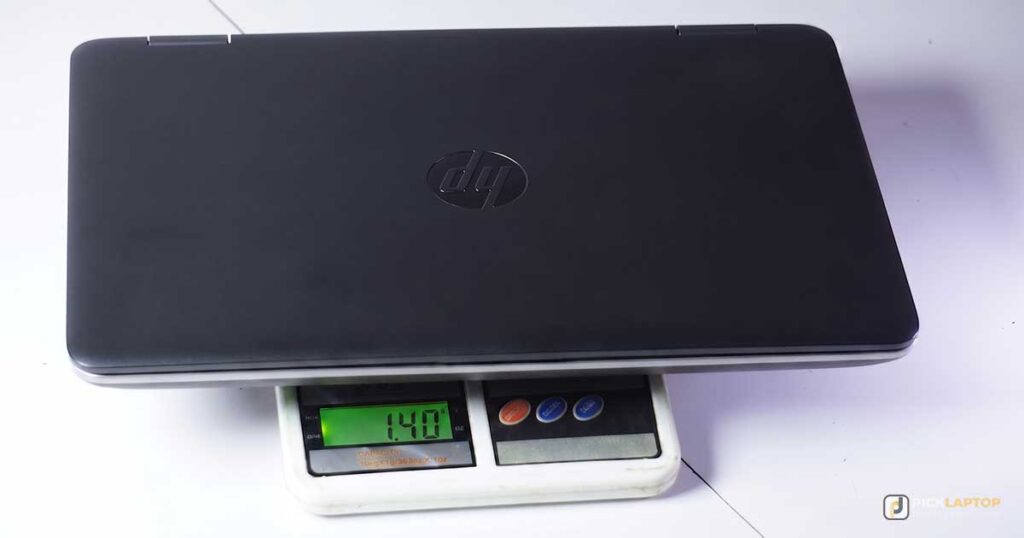
Junior bankers are among the most mobile people in the building — late nights at the desk, weekend work from home, the occasional model finished on a train. A machine that stays under about three pounds without giving up a full-travel keyboard is worth paying for, and the spread on this list is wider than it looks: the X1 Carbon sits near two pounds, the Galaxy Book6 Pro at 3.52 lb.
Battery Life
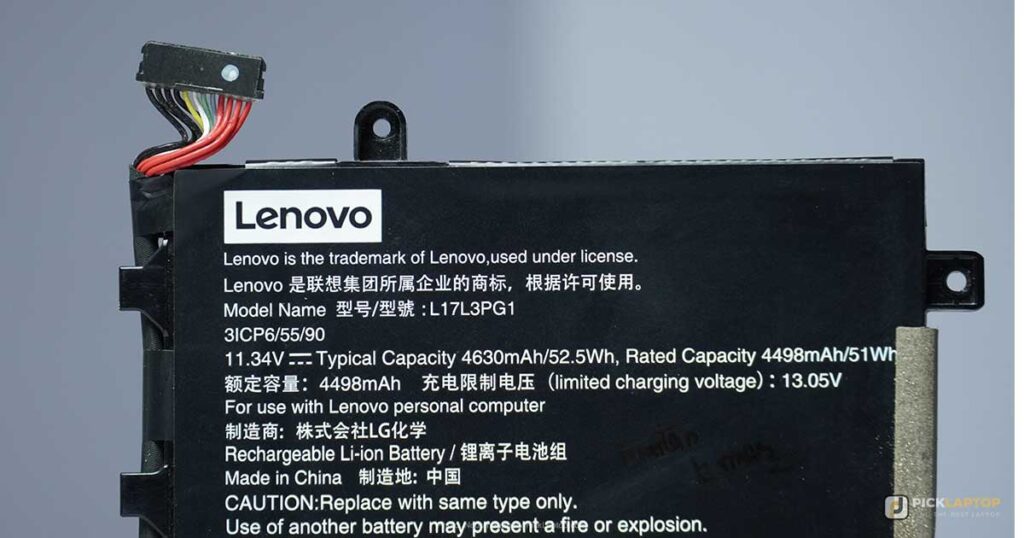
Manufacturer battery figures have climbed past twenty hours, and the number that matters is what test produced it, not the hour count on the box. Local video playback, active web browsing and video streaming are three different tests with three different results on the same cell, and a manufacturer publishes whichever one flatters the machine — sometimes only one of the three. The individual reviews below name the specific test behind each pick’s rating; cross-check that before setting two ratings side by side.
Just under 17 hours, and about eight. Those are PCWorld’s two figures for the same ThinkPad X1 Carbon Gen 13 — the first from a video-playback loop, the second its estimate of a typical working day. Video playback is a decoder running on fixed-function silicon with the screen dim and the radios quiet. A day of Excel recalculations, Teams video and a browser is none of those things. Read every rating on this page as the playback number and plan around roughly half of it.
Connectivity
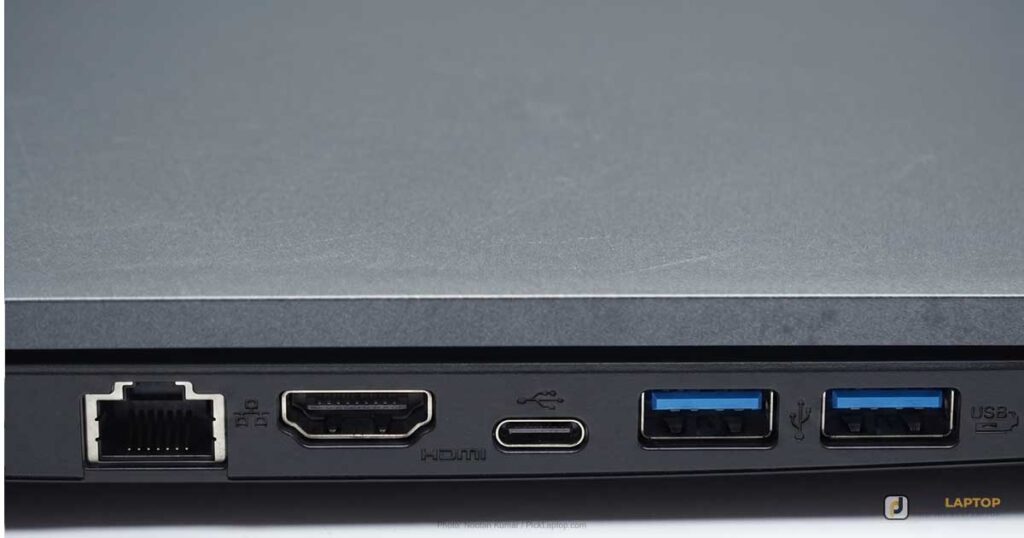
Dual and triple external monitors are ordinary on a banking desk (our multi-monitor laptop guide goes deeper if that’s the whole question), and most mornings begin by plugging into a dock. One Thunderbolt 4 or USB4 port is enough for a dock to drive two external displays, charge the laptop and carry wired Ethernet down a single cable — the tier of the port matters more than how many of them there are, because a plain USB-C port that lacks DisplayPort alt mode will not do it at all.
Check the specific listing rather than the model name. The Surface Laptop pairs two USB4 ports with no HDMI at all; the Dell Pro 14 goes the other way, with full-size HDMI and Ethernet built in alongside a single Thunderbolt port. Configurations vary within a product line as well as between them, so confirm the actual port list before ordering rather than assuming from the model name.
Security
Banking work means material non-public information on the drive. A fingerprint reader, an IR camera for Windows Hello and a TPM for hardware-backed encryption are on essentially every business-class machine here — but the TPM only does anything if the operating system can use it, which loops back to the Pro-versus-Home question above, since BitLocker is a Pro feature. A physical privacy filter is the cheapest fix for the risk nobody budgets for, which is the person in the next train seat reading a cap table over your shoulder.
Software and Compatibility
Check what your desk runs before you buy, because some of it is tied to one OS — this overlaps with our business analytics laptop guide if spreadsheet-heavy data work is a bigger share of the role than modeling. Capital IQ, and Excel’s Power Query and Power Pivot add-ins, are Windows-only. OmniPlan and MarginNote are macOS-exclusive. Apple Silicon Macs cannot run Windows natively through Boot Camp, so a Windows-only tool on a Mac means a virtual machine such as Parallels — fine for Office and web tools, awkward for VBA-heavy legacy workbooks and for desk software that expects real hardware. The same caution applies to Arm-based Windows machines for a different reason: the emulation layer is doing the translating instead of a hypervisor.
Investment Banking Laptop Comparison Table



Last update on 2026-10-17 / Affiliate links / Images from Amazon Product Advertising API
Best Laptops for Investment Banking: In-Depth Reviews
1. Lenovo ThinkPad X1 Carbon Gen 13 Aura Edition (Best Overall)
Best Overall
Last update on 2026-10-17 / Affiliate links / Images from Amazon Product Advertising API
- ProcessorIntel Core Ultra 7 258V
- GPUIntel integrated
- RAM32GB LPDDR5x (soldered)
- Storage2TB SSD Gen 5
- Display14″ 2.8K OLED
- OSWindows 11 Pro
The X1 Carbon has been the recurring answer in Wall Street Oasis threads on the question for years — forum consensus rather than measurement, but consensus from people doing this job. The Gen 13 Aura Edition is the configuration that matches it: 32GB and 2TB up front on a machine whose memory is soldered, and Windows 11 Pro, so the enrollment question in the guide above is already answered.
PCWorld reviewed this exact Core Ultra 7 258V and 32GB configuration and measured the OLED panel at a 409-nit peak with an average color error of dE 0.65. That is bright enough to read next to a window and accurate enough that a conditionally formatted heat map looks the same on the laptop as it does on the projector. Storage came back at 13,023MB/s read and 6,991MB/s write, and the battery ran just under 17 hours in video playback against roughly eight hours of ordinary work.
One quirk to know before it surprises you: Lenovo moved the power button off the keyboard deck to the right edge of the chassis. PCWorld found it “a little tricky to feel out, and with the laptop sitting so close to whatever surface it’s on, it can be hard to press.” A small thing, and the kind nobody mentions until you’re hunting for it at 6am.
PCWorld’s reservation is worth carrying too. It found the machine lagging cheaper competitors on both performance and battery for what it costs — the premium here buys the keyboard, the panel measurements and the chassis, not raw speed.
Pros
- 32GB and 2TB ordered up front on soldered memory
- 409-nit OLED at dE 0.65, measured by PCWorld
- ThinkPad keyboard and chassis
- Windows 11 Pro and an IR camera out of the box
Cons
- Priced at the top of this list, and PCWorld found cheaper machines faster
- Power button relocated to the side edge — awkward to find and press
- Memory is soldered; the configuration you buy is permanent
2. Dell 14 Laptop (Best Budget Pick)
Best Budget
Last update on 2026-09-12 / Affiliate links / Images from Amazon Product Advertising API
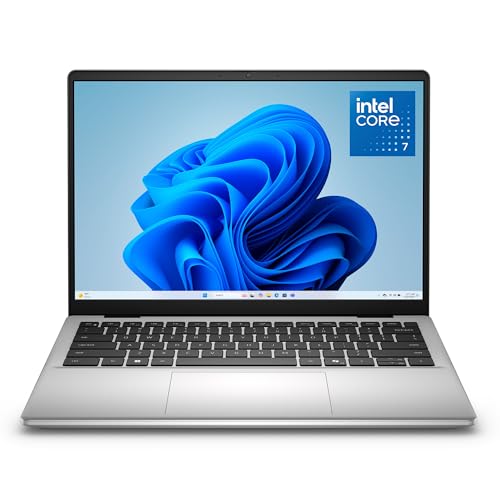
- ProcessorIntel Core 7 150U
- GPUIntel integrated
- RAM16GB DDR5
- Storage1TB SSD
- Display14″ WUXGA IPS, anti-glare
- OSWindows 11 Home
For an intern outfitting themselves rather than an associate replacing a machine, this is the entry point. A Core 7 150U, 16GB and a 1TB drive run Excel, Teams and a browser, the WUXGA panel is anti-glare, and a fingerprint reader is built into the keyboard.
Two limitations belong on the table before you order it. The first is evidence: no independent lab has published measured results — battery runtime, panel brightness or benchmark scores — for this DC14250 configuration. Everything above comes from Dell’s own specification, and the sites that appear in a search for a review of it are specification summaries rather than testing. Treat the machine as untested rather than as proven adequate.
The second is the Windows edition. This ships Home, which means no Entra ID join, no Intune enrollment and no BitLocker. As a personal machine for coursework, job applications and practice models it is fine. The moment your firm’s IT desk is asked to let it near a mailbox, the answer is a Pro upgrade license first.
Pros
- Lowest entry point on this list for a 16GB, 1TB machine
- Anti-glare IPS panel rather than a reflective one
- Fingerprint reader at this tier
Cons
- No independent lab has tested this configuration — no measured battery, brightness or benchmark figures exist
- Windows 11 Home: no BitLocker, no Entra join, no MDM enrollment
- 16GB is workable rather than roomy once Bloomberg and Teams are resident
3. Dell Pro 14 (Best for Multi-Monitor Docking)
Best for Docking
Last update on 2026-10-17 / Affiliate links / Images from Amazon Product Advertising API
- ProcessorIntel Core 5 120U
- GPUIntel integrated
- RAM16GB DDR5 (two SODIMM slots, to 64GB)
- Storage512GB SSD
- Display14″ WUXGA IPS, anti-glare
- OSWindows 11 Pro
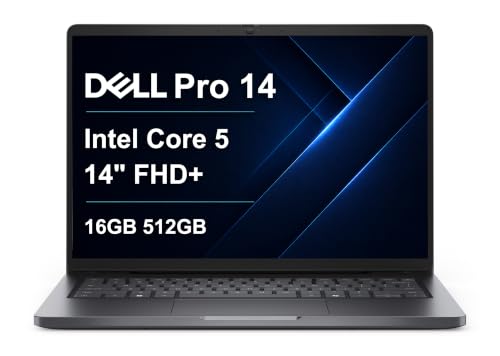
This is the successor to the Latitude line that finance IT departments have issued for a decade, and it is the one machine here built around the desk rather than around the commute. Dell’s datasheet for the PC14250 lists one Thunderbolt 4 port, one additional USB-C, two USB-A, HDMI 2.1 and gigabit Ethernet, with MIL-STD-810H testing behind the chassis.
One Thunderbolt port is what a dock needs, so dual 4K displays, charging and wired network over a single cable works as expected — but it is one, not a pair, and a second Thunderbolt peripheral has nowhere to go while the dock is attached. The onboard Ethernet and HDMI take some of the pressure off that, which is unusual on a 14-inch machine this year.
The memory is the reason to consider this over the other Dell. Dell’s owner’s manual documents two SODIMM slots taking up to 64GB of DDR5 in dual channel. A 16GB machine bought now becomes a 32GB machine later for the price of a memory kit — the only pick on this list where that is true. Note that a single 16GB module ships in one slot, so the machine arrives running single-channel; adding a matched module fixes the bandwidth and the capacity in the same step. Some third-party write-ups claim this model’s memory is soldered and unupgradeable. Dell’s own service documentation says otherwise, and it is the source to trust.
Dell offers this chassis with two different panels — 300 nits and 400 nits, both FHD+ anti-glare — and a listing will not always say which one is in the box, so ask before ordering.
Pros
- Two SODIMM slots to 64GB — the only user-upgradeable memory here
- Thunderbolt 4 plus onboard HDMI 2.1 and gigabit Ethernet
- MIL-STD-810H tested, Windows 11 Pro out of the box
Cons
- Only one Thunderbolt 4 port; a dock occupies it
- Ships single-channel with one module populated
- 512GB base storage is thin for a machine kept several years
- Two panel options at 300 and 400 nits — confirm which a listing ships
4. Microsoft Surface Laptop 13.8-inch (Most Portable)
Most Portable

Last update on 2026-10-17 / Affiliate links / Images from Amazon Product Advertising API
- ProcessorSnapdragon X2 Elite (12-core)
- GPUQualcomm Adreno
- RAM16GB LPDDR5x (to 64GB)
- Storage1TB Gen 4 SSD (removable)
- Display13.8″ LCD HDR touch
- BatteryUp to 20h local video playback (Microsoft rating)
At 3.00 lb this is the machine for someone who moves between the office, home and a client site in the same day and would rather not carry a charger. Microsoft rates it at up to 20 hours of local video playback and up to 16 hours of active web use, from its own May 2026 testing with a 1080p24 file in Windows Media Player — a manufacturer bench figure, not a lab measurement, and the web number is the closer of the two to a working day.
It is also the one machine here where the SSD comes out: Microsoft lists a removable Gen 4 drive, and memory configurations run to 64GB, which is more than any other pick offers. Both USB-C ports are USB4, so a dock works, but there is no HDMI and no Ethernet on the body.
The caveat is the architecture, and for this audience it is not a small one. This is Arm Windows, and x86 software runs through emulation. Current Office and cloud tools are native and fine. A VBA library carried over from an older desk, a legacy Capital IQ or FactSet add-in compiled for x86, or anything that ships as a COM add-in is exactly the category that finds the edges of that translation layer — and, per the guide above, VBA user-defined functions are single-threaded regardless, so the emulated path is the one carrying them. Check your desk’s add-in list against this machine before making it your only one.
The retail listing ships Windows 11 Home. Pro comes only through Microsoft’s Surface for Business channel, so the enrollment problem applies here as well.
Pros
- 3.00 lb with a 20-hour local-video rating and 16 hours of rated web use
- Memory to 64GB and a removable Gen 4 SSD
- Two USB4 ports for a dock
Cons
- Arm Windows — x86 Excel add-ins and VBA libraries run under emulation
- Windows 11 Home on the retail listing; Pro only via Surface for Business
- No HDMI or Ethernet on the body
5. Apple MacBook Pro 14-inch (Best for macOS)
Best macOS Pick
Last update on 2026-10-17 / Affiliate links / Images from Amazon Product Advertising API
- ProcessorApple M5 Pro (15-core) / M5 Max
- GPUIntegrated, 16-core on the base M5 Pro
- RAM24–128GB unified
- Storage1TB / 2TB SSD
- Display14.2″ Liquid Retina XDR
- BatteryUp to 22h video streaming, 14h wireless web (Apple rating, M5 Pro)
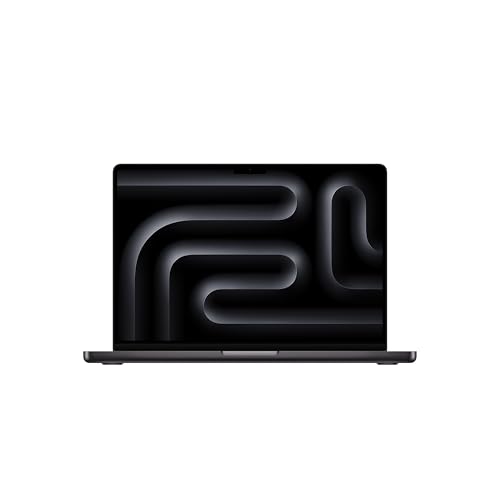
If macOS suits how you work, and your desk’s toolset allows it, this is more machine than financial modeling asks for. Apple’s specification page puts the base M5 Pro at a 15-core CPU with a 16-core GPU, three Thunderbolt 5 ports at up to 120Gb/s, plus HDMI and an SD slot — and rates battery at up to 22 hours of video streaming and 14 hours of wireless web. The 24-hour figure that circulates belongs to the base M5; the M5 Max is rated lower still, at 20 hours.
If you are looking at the M5 Max specifically, the chassis is a real constraint. Notebookcheck measured the same M5 Max at 2437 points in Cinebench 2024 multi-core in the 16-inch MacBook Pro against 2073 in the 14-inch, and 4392 against 3924 in 3DMark Steel Nomad. It attributes the gap to thermal limits, having found GPU performance in the 16-inch stable under sustained load “which was not the case for the smaller model.” A recalculation that finishes in seconds never reaches that point; an overnight batch process does.
The software question is the one that decides it, and it turns on what specifically runs on the desk being replaced — the buyer’s guide above names the Windows-only tools to check for. Boot Camp is gone on Apple Silicon, so any of them means a Parallels virtual machine instead: it runs Office without complaint and a decade of inherited VBA templates with more friction. A banker whose toolkit is native Excel and browser-based platforms won’t notice the difference.
Pros
- Three Thunderbolt 5 ports at up to 120Gb/s, plus HDMI and SD
- Unified memory to 128GB — the highest ceiling on this list
- Liquid Retina XDR panel and the best trackpad here
Cons
- Notebookcheck measured the 14-inch M5 Max 18% behind the 16-inch on Cinebench multi-core, attributed to thermals
- Capital IQ, Power Query and Power Pivot are Windows-only, and Boot Camp is not an option
- Rated 22 hours video streaming on M5 Pro, not the 24 hours widely quoted
6. LG gram Pro 17 (Best Large-Screen Pick)
Best Large-Screen Pick
Last update on 2026-10-17 / Affiliate links / Images from Amazon Product Advertising API
- ProcessorIntel Core Ultra 7 355
- GPUIntel integrated
- RAM32GB LPDDR5X
- Storage1TB Gen 4 NVMe (two M.2 slots)
- Display17″ WQXGA IPS touch, 350 nits
- OSWindows 11 Pro
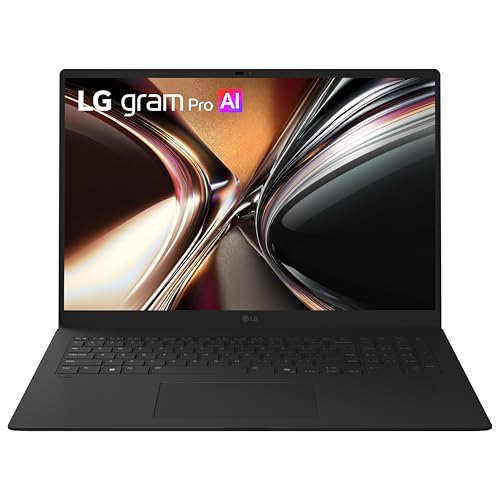
Seventeen inches is the point of this machine. A 2560×1600 panel puts roughly a third more spreadsheet rows in view than a 14-inch screen at the same scaling, which is what you want in a hotel room or a client office with no second monitor to plug into.
LG’s specification for the 17ZB90U lists 3.3 lb, a 77Wh battery, 32GB of LPDDR5X, two Thunderbolt 4 ports alongside two USB-A and HDMI 2.1, Windows 11 Pro, and two M.2 slots — so storage, unlike memory, stays upgradeable. The panel is rated 350 nits, which is office-bright rather than window-bright, and LG does not publish a color-gamut figure for it.
Two things this machine is often credited with are worth correcting. LG’s US business listing publishes no video-playback rating for it at all, so any hour figure attached to the 17-inch model is not the manufacturer’s. And the hands-on review of this year’s gram Pro line covers the 16-inch Core Ultra X7 358H, not this one — its findings on sound, weight and runtime describe a different machine. Nothing about the 17-inch configuration specifically has been independently measured — treat any number in this review that isn’t sourced to LG’s own spec sheet as unverified.
At 3.3 lb it is remarkable for a 17-inch laptop and unremarkable next to the rest of this list — the Surface is lighter at 3.00 lb and the X1 Carbon lighter again, and a 17-inch screen still needs a 17-inch bag no matter what the laptop itself weighs.
Pros
- 17-inch WQXGA at 3.3 lb, with Windows 11 Pro
- Two Thunderbolt 4, two USB-A and HDMI 2.1 on the body
- Two M.2 slots — storage can be expanded later
Cons
- No independent measured results published for the 17-inch configuration, and no LG runtime rating either
- 350-nit panel with no published gamut figure
- A 17-inch laptop still needs a 17-inch bag
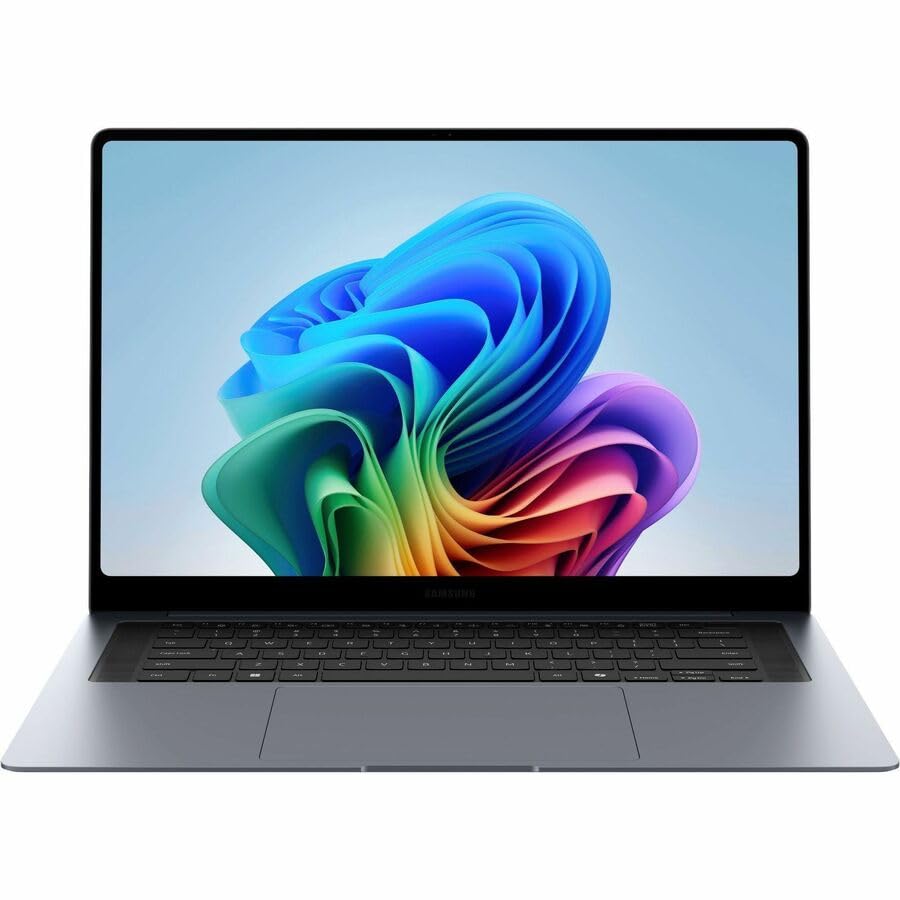
7. Samsung Galaxy Book6 Pro (Best Premium Touchscreen)
Best Premium Touchscreen
Last update on 2026-10-17 / Affiliate links / Images from Amazon Product Advertising API
- ProcessorIntel Core Ultra 7 356H
- GPUIntel Arc integrated
- RAM16–32GB
- StorageUp to 1TB SSD
- Display16″ AMOLED touch, 2880×1800, 30–120Hz
- Weight3.52 lb
The 16-inch AMOLED is what you are buying, and Notebookcheck’s review of this Core Ultra 7 356H model put numbers on it: 2880×1800 at an adaptive 30–120Hz, 648 nits measured on a white image, and up to 1200 nits peak on HDR content. Between the resolution and the refresh range it is the most comfortable screen here for scrolling a long model without external monitors.
The same review found the panel uses PWM dimming at 240 Hz, detected at every brightness setting below 100% and absent only at full brightness. Notebookcheck classes 240 Hz as a relatively low frequency, and the practical consequence is specific: the way to avoid the flicker on this machine is to run the screen at maximum, which is the opposite of what most people do in a dim office at 11pm. If you get headaches from OLED phones, look at one in person before ordering.
At 3.52 lb it is the heaviest machine on this list, including the 17-inch gram. An SD slot and fingerprint reader are included, and Samsung’s own battery rating is generous — but as with every rating on this page, it comes from a video-playback loop rather than a day of Excel.
Pros
- 648 nits measured on white, 1200 nits HDR peak, 2880×1800 at 30–120Hz
- Adaptive refresh makes long scrolling sessions easier on the eyes
- SD card slot and fingerprint reader included
Cons
- 240 Hz PWM flicker at every brightness below maximum
- 3.52 lb — the heaviest pick here, and heavier than the 17-inch gram
Recommended Accessories




Last update on 2026-10-17 / Affiliate links / Images from Amazon Product Advertising API
Which Investment Banking Laptop Should You Buy?
| Best For | Pick |
|---|---|
| Overall | Lenovo ThinkPad X1 Carbon Gen 13 |
| Budget | Dell 14 Laptop |
| Multi-Monitor Docking | Dell Pro 14 |
| Most Portable | Microsoft Surface Laptop 13.8-inch |
| macOS | Apple MacBook Pro 14-inch |
| Large Screen | LG gram Pro 17 |
| Premium Touchscreen | Samsung Galaxy Book6 Pro |
Investment Banking Laptop FAQ
Will my firm’s IT department let me use my own laptop for work?
That depends on the edition of Windows more than the brand. Firms enroll devices through Microsoft Intune and Entra ID, and both require Windows 11 Pro or higher — a Home machine cannot be enrolled at all, and has no BitLocker to encrypt the drive. Many banks will not permit a personal device on the network under any circumstances. Ask before you buy, and if the answer is a maybe, buy Pro.
Will more CPU cores make my Excel models recalculate faster?
Only if the workbook is the ordinary kind. The buyer’s guide above lists the functions that force single-threaded calculation regardless of core count — the fast way to check which case a specific workbook falls into is Task Manager’s per-core view during a recalculation: one core pegged at 100% while the rest sit idle means more cores won’t help, whatever the spec sheet promises.
Is 16GB of RAM enough, or should I pay for 32GB?
Memory is consumed by what is open at the same time, not by how large one model is. Bloomberg, Outlook, Teams, a browser at forty tabs and a handful of workbooks will sit on 16GB. The bigger issue is that only the Dell Pro 14 on this list lets you add memory afterwards — on every other pick it is soldered, so 32GB is a decision you make once, at the order screen.
Can I use a Mac for investment banking work?
Only for the parts of the job that don’t require the Windows-only add-ins named in the buyer’s guide above. Running one of those through Parallels works for occasional use but isn’t a full substitute for the native tool. Ask what’s actually mandatory on your desk before assuming a Mac covers it — some banks issue analysts a Windows machine specifically because the answer is no.
What about Arm-based Windows laptops like the Surface?
Native Office and cloud tools run fine. The category that struggles is old x86 code: COM add-ins, compiled data-provider plugins and legacy macro libraries all run through emulation. It is not a hard block, it is a per-add-in question — and the only way to answer it is to try your firm’s actual toolset.
Do I need a dedicated graphics card?
No — not for the modeling itself. Excel’s calculation engine is entirely CPU-bound, which is why every pick on this list ships integrated graphics rather than a discrete card. The one place a GPU would matter is rendering heavy video or 3D content for a pitch book, and none of these machines are built for that workload either.
How many Thunderbolt ports do I need for a dual-monitor desk?
One — but it must actually be Thunderbolt 4 or USB4, not an ordinary USB-C connector; the tier decides whether a dock can push two displays, power and Ethernet through a single cable. A USB-C port lacking DisplayPort alt-mode support can’t drive an external screen no matter how it’s labeled on the spec sheet. A second port only matters if you’re also running a Thunderbolt SSD alongside the dock rather than through it.
Should I trust the battery hours in a laptop listing?
Only as a ceiling, and only once you know whether a test is named at all. A bare “battery life: up to 20 hours” with nothing else attached is a marketing figure; naming the loop it came from at least says which test produced it, even though the manufacturer is still grading its own homework. A rating with an independent source behind it, the way PCWorld’s is for the X1 Carbon, is the only kind actually worth comparing across two different machines.
What software should I check compatibility for before ordering?
Excel plus whatever add-ins your desk loads into it, Bloomberg Terminal or FactSet, Capital IQ, and any internal template library. The add-ins are the part that breaks, not the applications, and they are the part nobody thinks to check.
Is a touchscreen worth having?
It is a preference, not a requirement — nothing in a modeling workflow needs one. Three picks here include touch; if you already scroll documents by hand on a tablet you will use it, and if you do not, you will not.
Final Thoughts on Investment Banking Laptops
Two questions settle this faster than any benchmark: which edition of Windows the machine ships with, and whether the memory can ever be changed. Get those right and the rest is budget and preference. And if an MBA follows the analyst years, most of these carry over — what shifts once coursework replaces client work is in our MBA student laptop guide.