Laptop speakers are small, downward-firing and sitting behind a chassis that has no room for a proper enclosure. That is why a film is fine at your desk and inaudible in a kitchen with the extractor on.
Software can recover a surprising amount of that — often the volume was never at maximum in the first place, or an app is sitting at 30% in the mixer. What software cannot do is make the drivers move more air. This guide covers the settings that genuinely help on Windows 11, in the order worth trying, and is honest about where the ceiling is.

Volume boosters amplify distortion along with everything else. Pushing a small speaker past the level it was designed for produces clipping, and sustained heavy boosting on tiny drivers is a way to damage them. If you find yourself needing 200% routinely, the honest fix is headphones or an external speaker, not more gain.
What’s Inside
- 1 – Check the Volume Mixer First
- 2 – Audio Enhancements and Loudness Equalization in Windows 11
- 3 – Use VLC to Play Media Above 100 Percent
- 4 – Third-Party Audio Enhancers Worth Considering
- 5 – Browser Volume Booster Extensions
- 6 – Positioning and Room Fixes That Cost Nothing
- 7 – When Software Is Not Enough
- 8 – Final Thoughts on Making a Laptop Louder
Check the Volume Mixer First
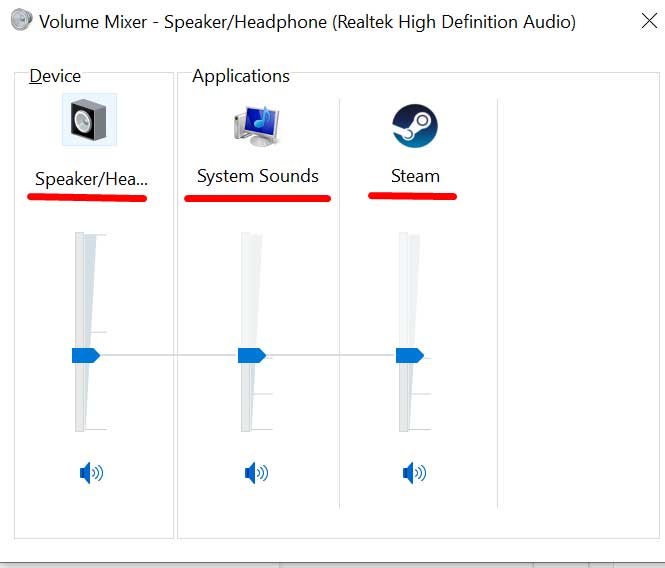
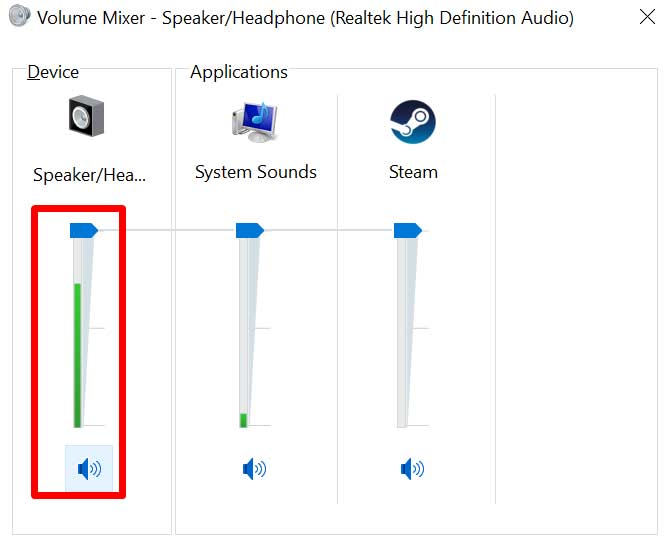
The most common cause of quiet audio is not the hardware. Windows keeps a separate volume level for every application, and one that was turned down weeks ago stays down. The master slider at 100% tells you nothing about where the browser is.
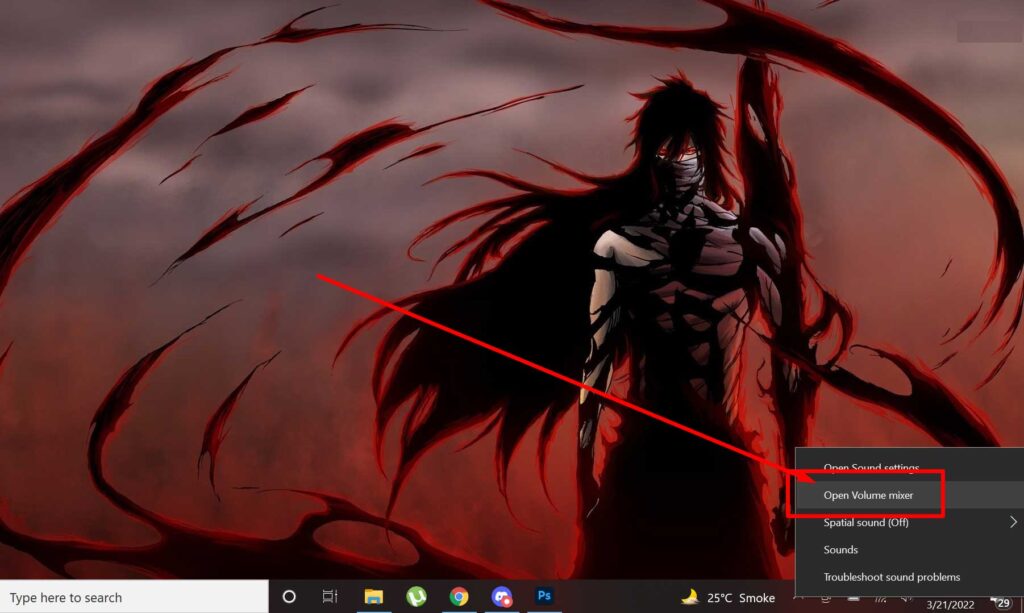
Windows 11 moved the mixer out of the old floating panel. Microsoft’s audio troubleshooting page describes reaching it by selecting the speaker icon on the taskbar and using the arrow next to the volume slider, or through Settings.
- Press Windows key + Ctrl + V to open the volume mixer directly, or go to Settings > System > Sound > Volume mixer.
- Check the master Speakers level.
- Check every app listed underneath. Anything below 100% is quietly capping itself.
- Raise the ones that matter and close the panel.
Check the app’s own volume control as well. A YouTube video at 40% inside a browser at 100% inside Windows at 100% still plays at 40%. Those three multiply.

Audio Enhancements and Loudness Equalization in Windows 11
Loudness Equalization is the single most effective built-in setting for this problem, when it is available. It compresses the dynamic range — quiet passages come up, loud ones come down — so dialogue in a film stops disappearing between the explosions. Perceived loudness rises substantially without the peaks getting any higher.
What has changed since 2022 is where it lives, and whether it is there at all. Windows 11 replaced the old per-device Enhancements tab with a single Audio enhancements dropdown. Microsoft’s own troubleshooting guidance points at Settings > Sound > [your device] > Advanced > Audio enhancements, offering options such as Device Default and Off rather than the old checkbox list.
Finding the Classic Enhancements Tab
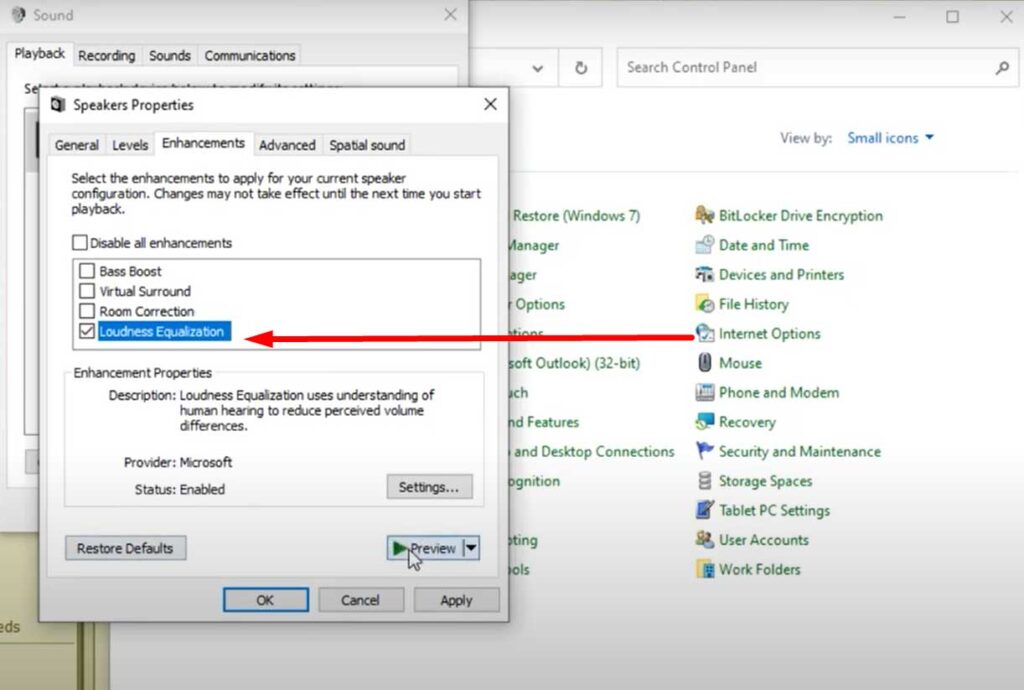
The legacy dialog is still reachable, and Loudness Equalization is on it when the audio driver supplies it.
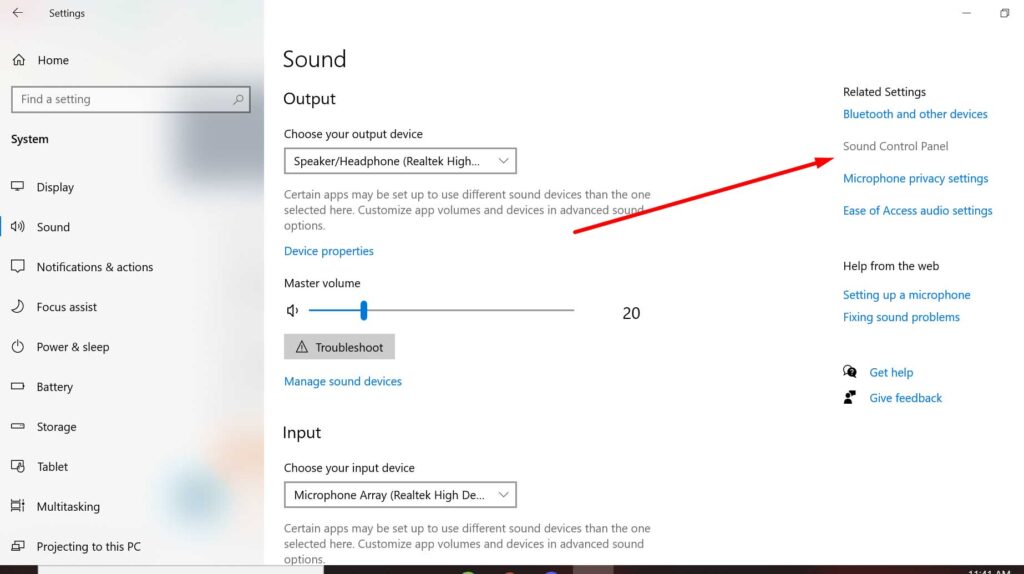
- Go to Settings > System > Sound.
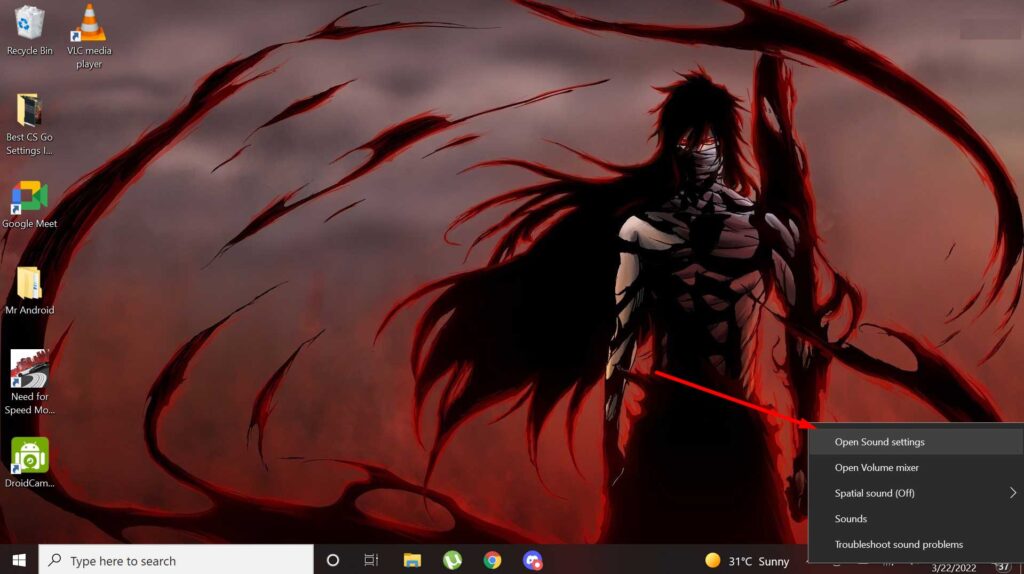
- Scroll to Advanced and select More sound settings. This opens the old Sound control panel.
- On the Playback tab, select your speakers and click Properties.
- Open the Enhancements tab and tick Loudness Equalization.
- Click Apply.
If there is no Enhancements tab, your driver does not provide one. Loudness Equalization is not a Windows feature so much as a feature of the Microsoft-supplied HD Audio driver’s effects stack. Many laptops now ship a vendor driver — Realtek’s newer packages, or a Dolby, DTS or Waves component from the manufacturer — that replaces those effects with its own and removes the tab. Installing a generic driver to get it back tends to cost you the vendor tuning that was making the speakers sound better in the first place.
On those laptops, look for the manufacturer’s audio app instead — Dolby Access, DTS Sound Unbound, Realtek Audio Console, MyASUS or Lenovo Vantage depending on the machine. Most include a dynamic-range or “voice” preset doing the same job under a different name.
Use VLC to Play Media Above 100 Percent
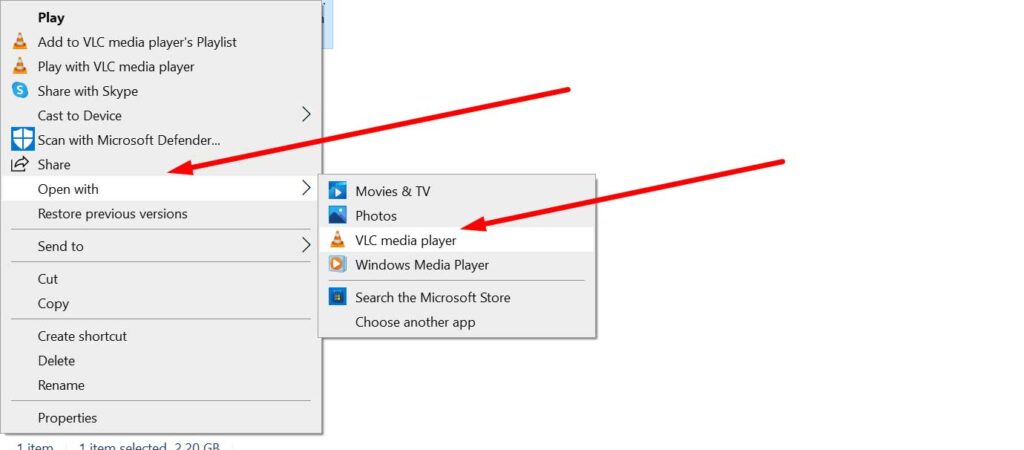
VLC applies gain in software before the audio reaches Windows, so it can play a file louder than the system nominally allows. For a quiet recording — a lecture capture, a phone video, a badly mastered film — this is the most reliable single fix in this article.
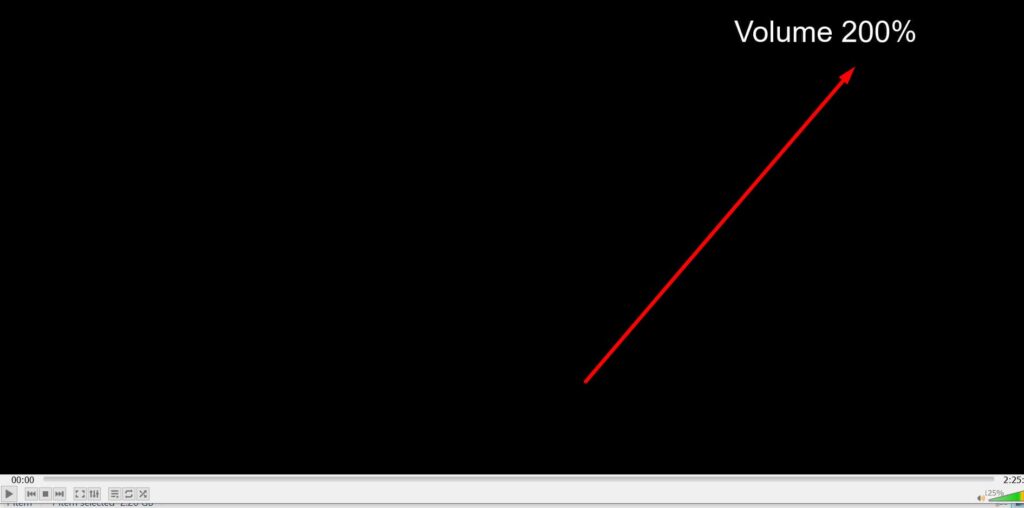
One correction to the older advice: the slider does not go to 200% out of the box any more. VLC lowered the default ceiling to 125% in the 2.1 series, a change discussed at length on the VideoLAN forums at the time. You can raise it again.
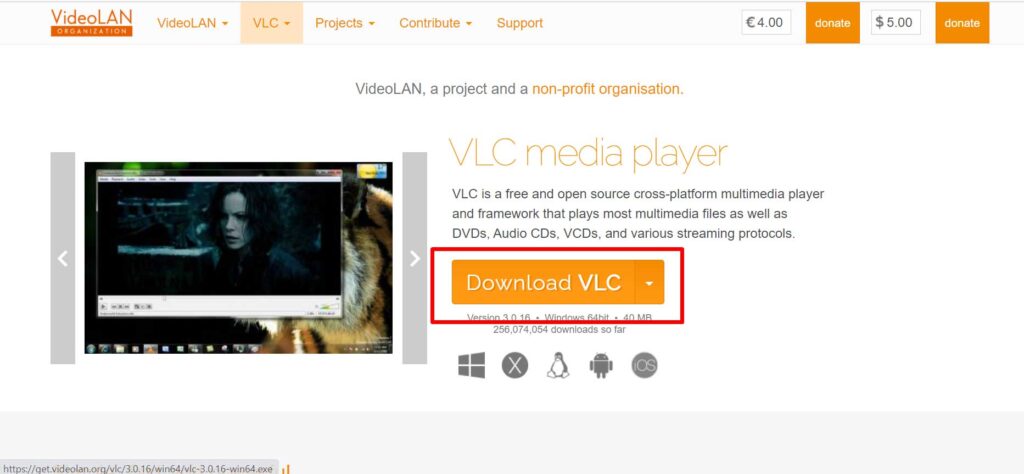
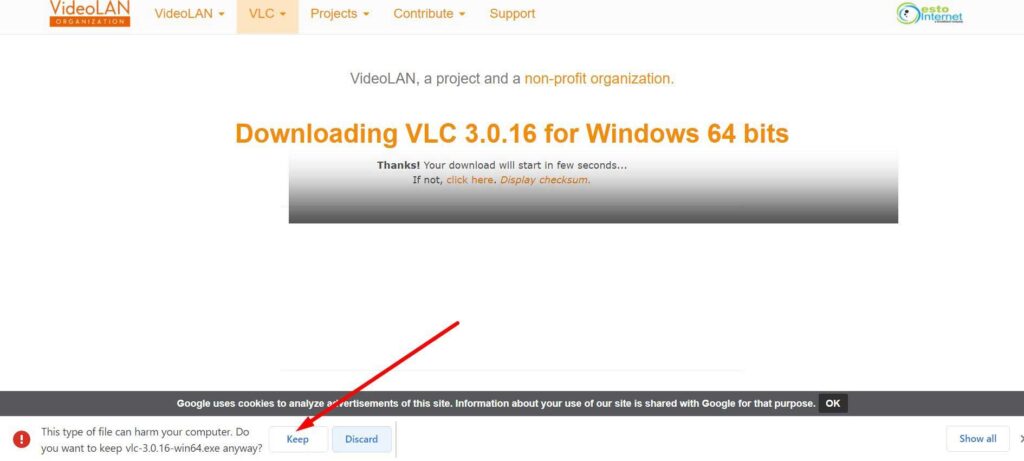
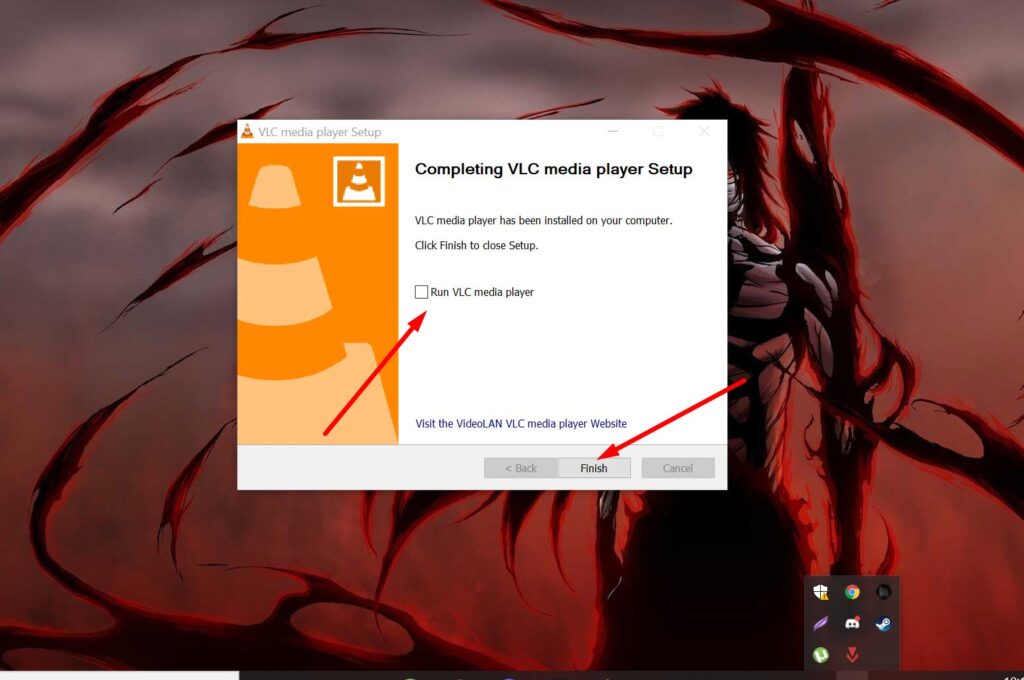
- Download VLC from videolan.org rather than a download portal, and install it.
- Open Tools > Preferences.
- On the Interface page, find Maximum volume displayed and raise it — 200 is a sensible stopping point, 300 is the top.
- Save, restart VLC, and use the scroll wheel over the volume control or the up arrow key to go past 100%.
Above roughly 150% on laptop speakers you will start hearing the amplification rather than the content. Use it as headroom for quiet files, not as a permanent setting.
Third-Party Audio Enhancers Worth Considering
These install a system-wide audio effect, so unlike VLC they work on everything — browser video, games, calls. They apply equalization and dynamic-range compression, which raises perceived loudness more effectively than raw gain does.
FxSound
The recommendation here has changed since the last version of this article, which described FxSound as a paid product with a trial. It is not. FxSound’s own site states that the software was made free in 2022 and open-source in 2023, funded by user contributions. That makes it the obvious thing to try first, since it costs nothing and the code is public.
It provides a graphic equalizer plus controls it labels fidelity, ambience, surround, dynamic boost and bass. Dynamic boost is the one that does most of the work on laptop speakers.
Boom 3D
A commercial alternative with a 31-band equalizer and a large preset library, sold by Global Delight for Windows and macOS. It has a free trial; check the current license terms on the vendor’s site before buying, since the pricing model has changed over the years.
Equalizer APO
Worth adding to the list the original article did not have. Equalizer APO is a free, open-source system-wide audio processing object for Windows, usually paired with the Peace interface. Its compressor and preamp stages do exactly what a “volume booster” claims to, with far more control and no subscription. The trade-off is a configuration step involving picking which device to install on, and a restart.
The original guide also recommended SOUND FORGE Audio Cleaning Lab 3. That is audio restoration and editing software rather than a playback enhancer — it processes files, it does not make YouTube louder — and the version number quoted has since been superseded. It is the wrong tool for this job.
Browser Volume Booster Extensions
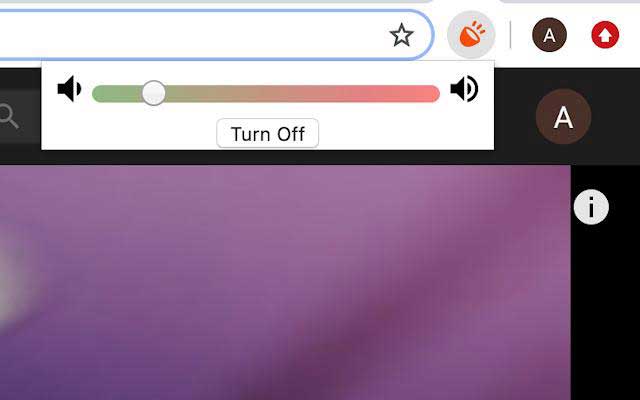
Chrome and Edge extensions that boost tab audio do work — they hook the page’s audio through the Web Audio API and apply gain — and they solve the case VLC cannot touch, which is streaming video in a browser.
Volume booster extensions are a repeatedly abused category. To function they request permission to read and change data on every site you visit, which is also everything a data-harvesting extension needs. Google’s own Chrome Web Store user data policies require disclosure of what is collected, so read that section on the listing before installing. Prefer one with a named developer and a privacy policy, and remove it when you no longer need it.
A system-wide enhancer such as FxSound or Equalizer APO covers browser audio too, without granting a browser extension access to every page. That is usually the better trade.
Positioning and Room Fixes That Cost Nothing
Most laptops fire their speakers downward or out of the sides, so the surface underneath is doing a lot of the work. Move the machine from a duvet or a padded lap desk onto a hard table and the difference is immediate and free — soft surfaces absorb output and block the ports.
Raising the laptop on a stand angles the sound toward you rather than into the desk. A laptop stand bought for keeping temperatures down improves the audio as a side effect, for the same reason: it stops the underside being blocked.
Backing the laptop up to a wall or a bookcase gives the sound something to reflect off and is worth thirty seconds of trying. And the original article’s point holds: a fan, an open window or an extractor is often the actual problem, and no setting overcomes a noisy room.
When Software Is Not Enough
There is a hard physical limit here. Loudness depends on how much air a driver can move, and a laptop speaker is a few square centimeters of cone in a millimeter of enclosure. Every method above redistributes the output you already have; none creates more.
If a full-volume laptop with Loudness Equalization on still is not enough for the room, the answer is a transducer with more surface area. Wired headphones, a USB or Bluetooth speaker, or the TV you are sitting in front of via HDMI all clear the bar that no amount of gain will.
One thing genuinely worth checking before you give up: whether audio is going somewhere you did not intend. A previously paired Bluetooth speaker or a monitor’s unused HDMI audio output will happily take the stream while you stare at the laptop wondering why it is quiet. Settings > System > Sound shows which device is selected.
Why is my laptop so quiet even at 100% volume?
Usually a per-app level in the volume mixer, or the app’s own volume control, sitting below maximum — those multiply with the system level. After that, check that Windows is playing to the speakers rather than a paired Bluetooth device or an HDMI output.
Where is Loudness Equalization in Windows 11?
Settings > System > Sound > Advanced > More sound settings, then select your speakers, click Properties and open the Enhancements tab. If that tab is not there, your audio driver does not provide it — common on laptops shipping a vendor Dolby, DTS or Realtek audio stack.
Does Loudness Equalization make the speakers louder?
It raises perceived loudness rather than peak output. It compresses the dynamic range so quiet parts come up and loud parts come down, which is why dialogue becomes much easier to hear. The maximum level the speakers can produce does not change.
Is FxSound still a paid program?
No. FxSound’s site states the software was made free in 2022 and open-source in 2023, and is now supported by user contributions.
Why does VLC only go to 125% now?
VLC lowered the default maximum in the 2.1 series. Raise it in Tools > Preferences > Interface under “Maximum volume displayed”, up to 300, then restart VLC.
Are volume booster browser extensions safe?
They work, but they need permission to read and change data on every site you visit. Read the permissions and privacy disclosure on the store listing, prefer an extension with a named developer, and remove it when you are done. A system-wide enhancer avoids granting that access at all.
Can boosting the volume damage laptop speakers?
Sustained heavy boosting can. Driving a small driver past its design limit causes clipping and, over time, physical damage. Occasional use on a quiet file is fine; running everything at 200% permanently is not.
What actually makes the biggest difference?
In order: fixing per-app mixer levels, enabling Loudness Equalization if your driver offers it, moving the laptop onto a hard surface, then a system-wide enhancer such as FxSound or Equalizer APO. VLC handles the specific case of a quiet local file.
Final Thoughts on Making a Laptop Louder
Start with the mixer and the surface the laptop is sitting on, because those two account for most complaints and cost nothing. Loudness Equalization or a free system-wide enhancer picks up most of the rest.
Past that point you are fighting physics rather than settings, and a cheap pair of headphones beats every piece of software on this page.