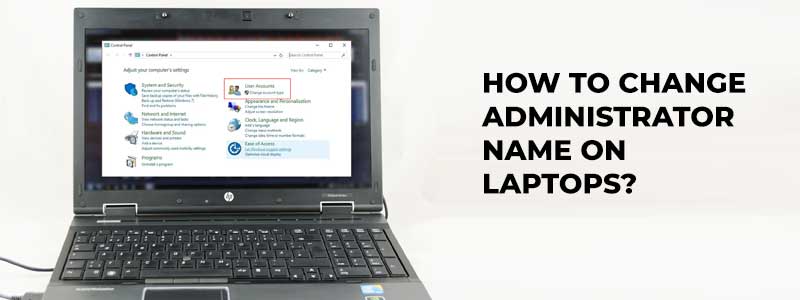
An HP laptop that arrived with an account called “HP” or “Owner”, or one still carrying the name of whoever set it up, is easy enough to rename. Windows offers four or five routes to do it, and which ones your machine has depends on whether you run Windows 11 Home or Pro.
There is a catch that trips up most people who search for this. Renaming the account changes the name on the sign-in screen and in the Start menu. It does not change the folder at C:Users, which keeps the original name permanently. If that folder is what is bothering you, none of the standard methods will fix it, and the sections below explain what will.
Renaming an account does not rename its profile folder. Microsoft documents this directly: when you rename a user account, the user profile path isn’t changed automatically, and the article states this is by design. Rename “Owner” to “Sarah” and the profile stays at C:UsersOwner.
What’s Inside
- 1 – Display Name, Account Name and Profile Folder Are Three Different Things
- 2 – Rename a Local Account Through Control Panel
- 3 – Rename a Local Account With netplwiz
- 4 – Rename an Account in Computer Management
- 5 – Rename With the Local Users and Groups Snap-In
- 6 – Rename the Built-In Administrator With Group Policy
- 7 – Change the Name on a Microsoft Account
- 8 – Changing the C:Users Profile Folder Name
- 9 – Final Thoughts on Renaming the Administrator Account
Display Name, Account Name and Profile Folder Are Three Different Things
Sorting these out first saves a lot of wasted effort, because different tools change different ones.
- Display name: what appears on the sign-in screen, the Start menu and Settings. Every method in this guide changes this.
- Account name: the underlying local username. On a local account it is normally the same string as the display name. On a Microsoft account, the display name comes from your online profile instead.
- Profile folder: C:Userssomething. Created once, when the account first signs in, and never renamed afterwards by any of these tools.
The profile folder is usually what people mean when they say the wrong name is “everywhere” — it shows in file paths, in application settings and in the address bar. There is a section on that at the end, and a reason to think twice before touching it.
Nothing here is HP-specific. HP ships stock Windows 11 and its user account tools are Microsoft’s, so the same steps work on Dell, Lenovo, Acer and ASUS. What differs between laptops is the Windows edition, and that decides which of the tools below exist on your machine.
Rename a Local Account Through Control Panel
This works on Windows 11 Home and Pro, and it is the route to reach for first. Despite years of Microsoft moving things into Settings, renaming a local account is one of the tasks the Settings app still does not offer — the Accounts page shows the name but gives no way to edit it for a local account. Control Panel does.
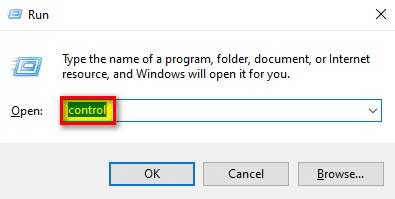
- Press Windows key + R, type control and press Enter.
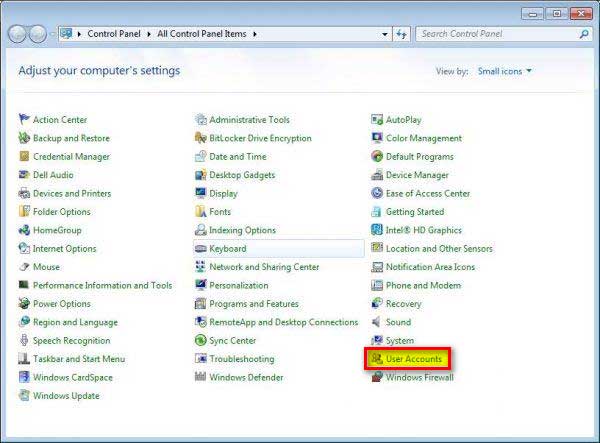
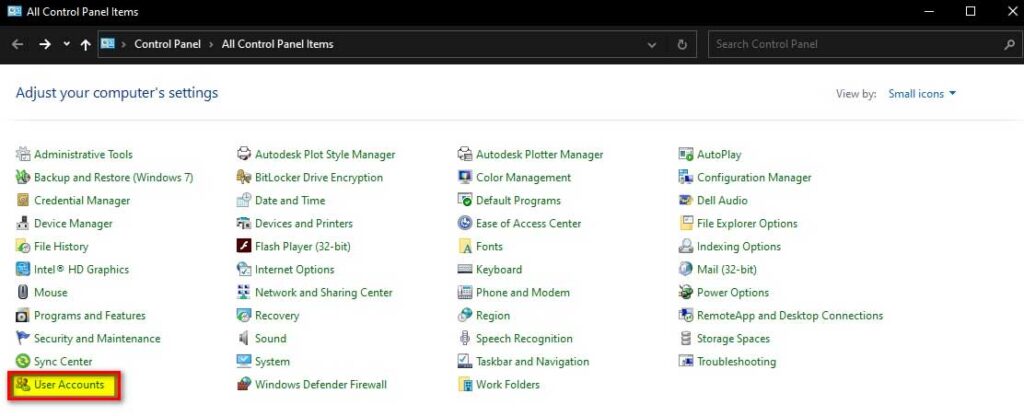
- Set View by to Category, then open User Accounts.
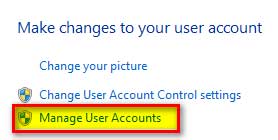
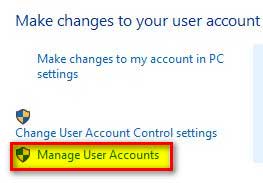
- Choose User Accounts again, then Change your account name. To rename a different account, choose Manage another account first and select it.
- Type the new name and click Change Name.
- Sign out and back in for the sign-in screen to show it.
If Change your account name is missing, the account is signed in with a Microsoft account rather than a local one. Skip to the Microsoft account section — the name is stored online and Control Panel cannot edit it.
Legacy Screenshots of the Control Panel Route
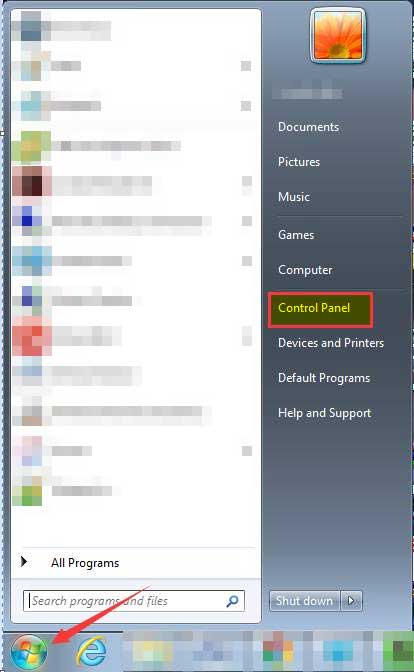
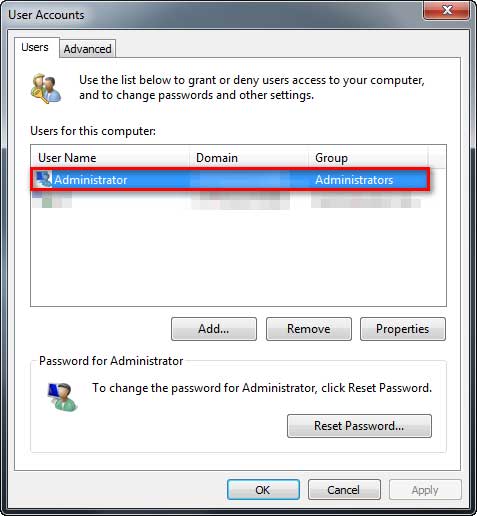
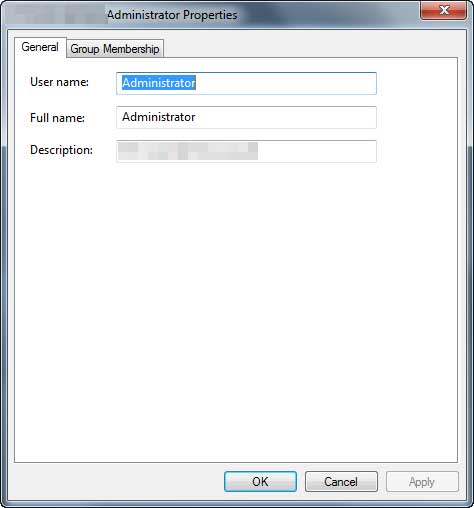
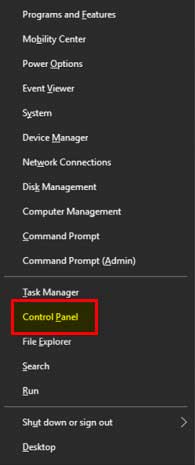
The screenshots below are from the earlier version of this guide and show Windows 7 and Windows 10. Control Panel’s User Accounts pages have barely changed since — the wording and the layout of the panes are the same in Windows 11, though the window chrome and icons are restyled.
Rename a Local Account With netplwiz
netplwiz opens the advanced User Accounts dialog directly, skipping Control Panel’s category pages. It is present on Windows 11 Home as well as Pro, which makes it the fastest option on a consumer HP laptop.
- Press Windows key + R, type netplwiz and press Enter.
- Select the account in the list and click Properties.
- On the General tab, edit User name and Full name.
- Click OK twice, then sign out and back in.
The two fields do different jobs, which is where this dialog earns its place. User name is the account name Windows uses internally and the one net user expects. Full name is the friendly display name. Editing both keeps them consistent; editing only Full name changes what you see without touching the underlying account.
Rename an Account in Computer Management
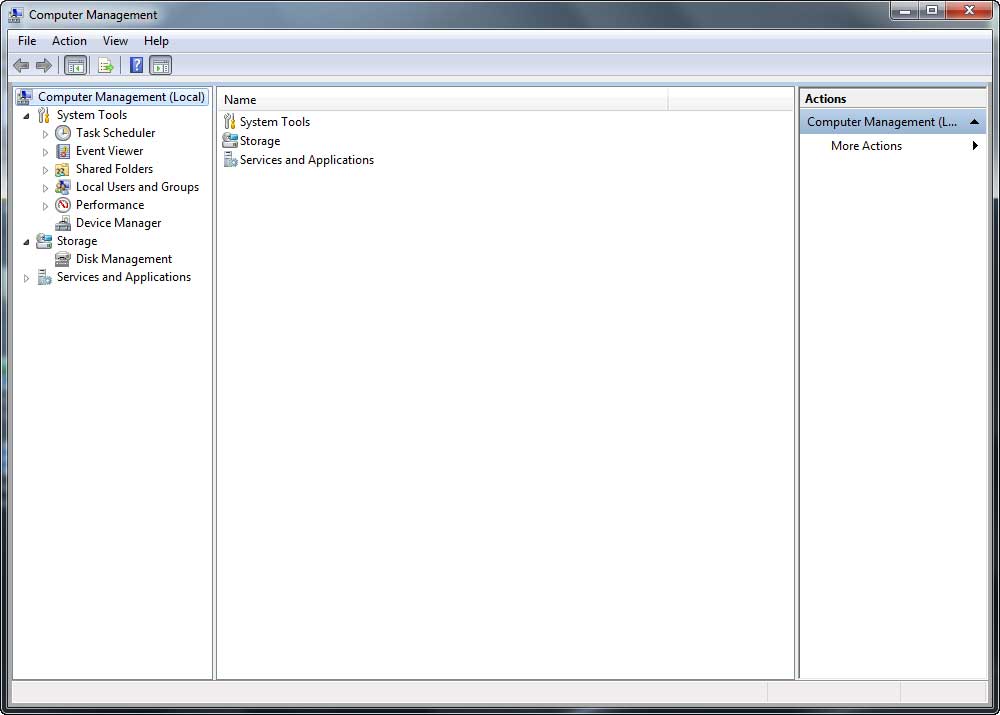
Computer Management includes the Local Users and Groups snap-in, which renames accounts at the account-name level rather than the display-name level. Sign in with an administrator account before starting.
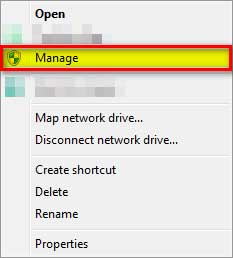
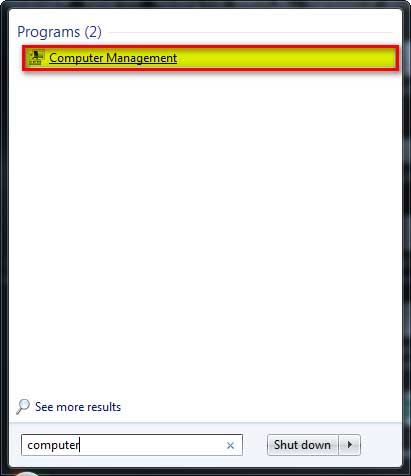
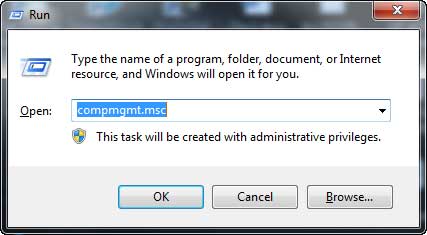
- Press Windows key + R, type compmgmt.msc and press Enter. Right-clicking the Start button and choosing Computer Management gets you to the same place.
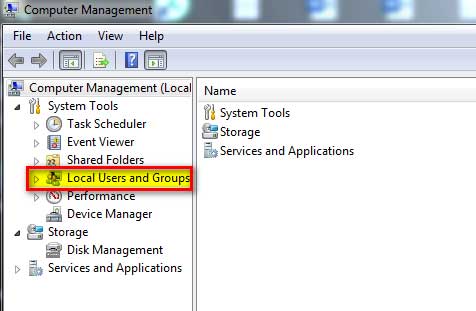
- In the left pane, expand Local Users and Groups.
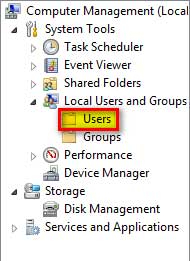
- Select Users.
- Right-click the account in the middle pane and choose Rename.
- Type the new name and press Enter. To set the display name too, open Properties and edit Full name.
Local Users and Groups is a Pro-and-above feature. On Windows 11 Home the node is absent from Computer Management and lusrmgr.msc does not open, which Microsoft’s support answers attribute to the edition rather than a fault. Most consumer HP laptops ship with Home, so use netplwiz or Control Panel there.


Rename With the Local Users and Groups Snap-In
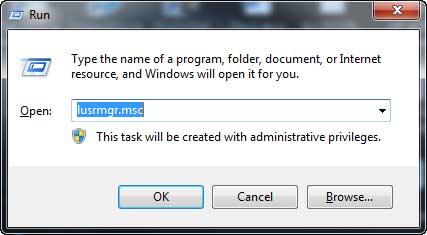
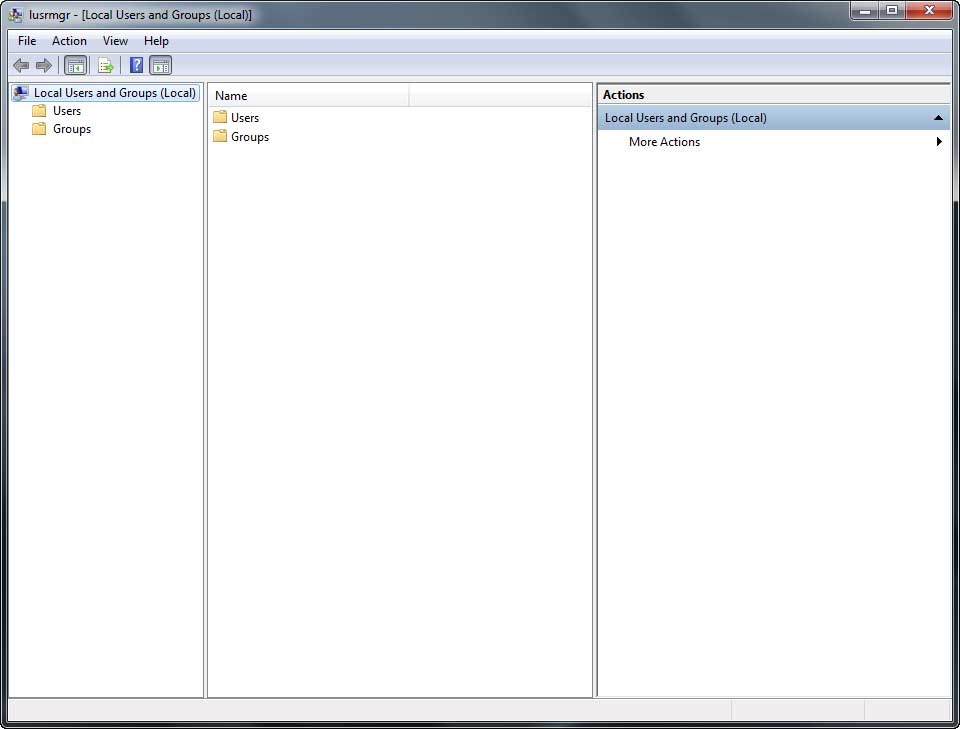
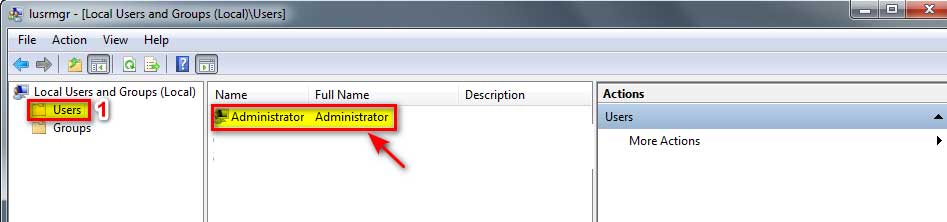
Same snap-in, opened on its own rather than inside Computer Management. Press Windows key + R, type lusrmgr.msc and press Enter, then select Users, right-click the account and choose Rename.
It is worth having in your pocket for the case the original guide described: when Explorer is misbehaving badly enough that Computer Management will not open cleanly, this loads a much smaller console. The Pro-edition limitation applies here too.
Rename the Built-In Administrator With Group Policy
This one does something different from the others, and the difference matters. It renames the built-in Administrator account — the one Windows creates with a well-known identifier and leaves disabled on consumer installs. It does not rename your everyday account.
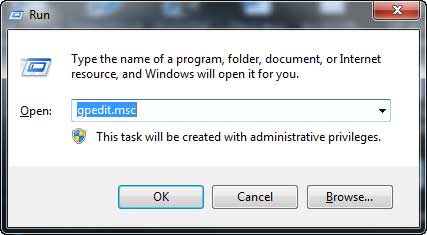
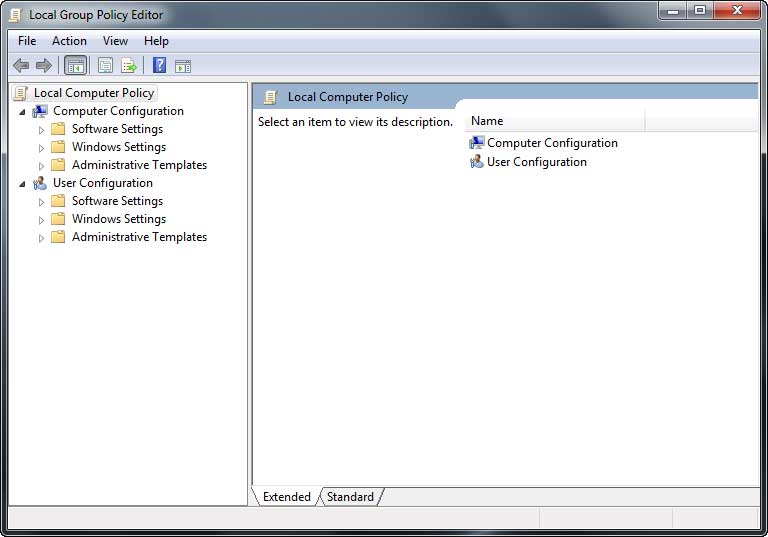
- Press Windows key + R, type gpedit.msc and press Enter.
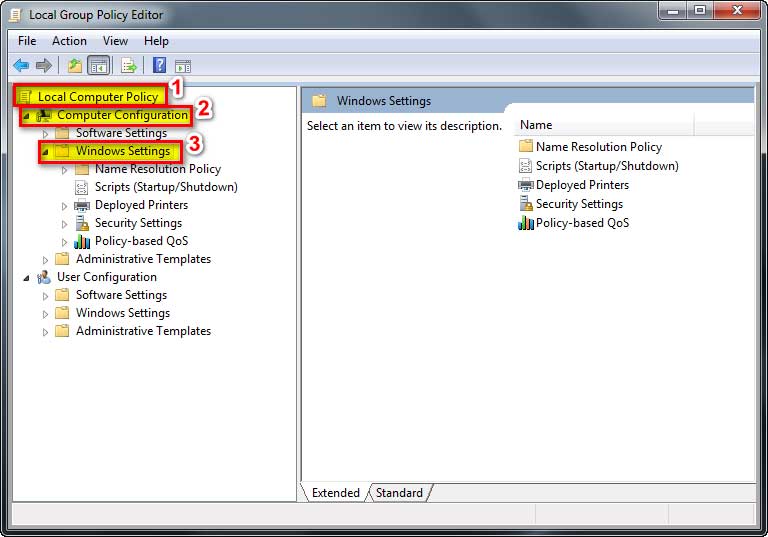
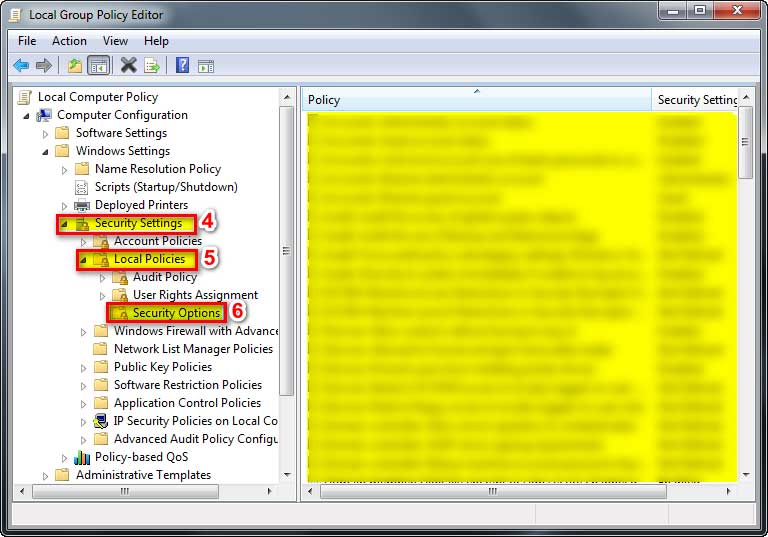
- Navigate to Computer Configuration > Windows Settings > Security Settings > Local Policies > Security Options.
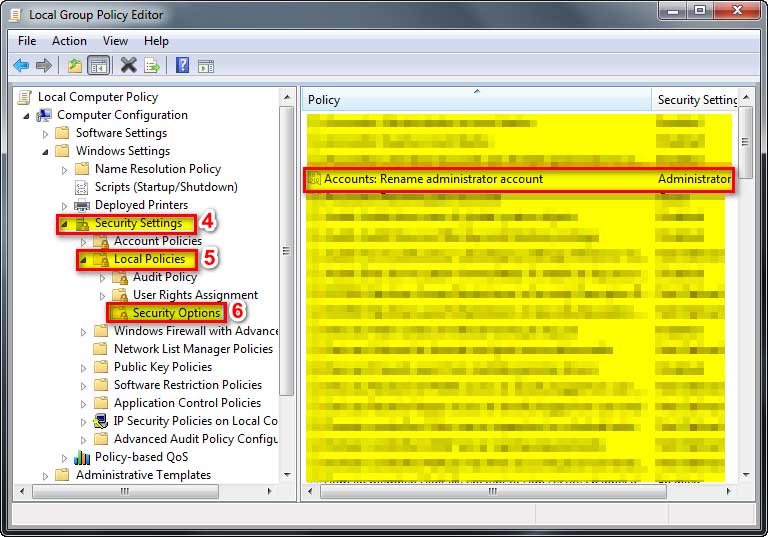
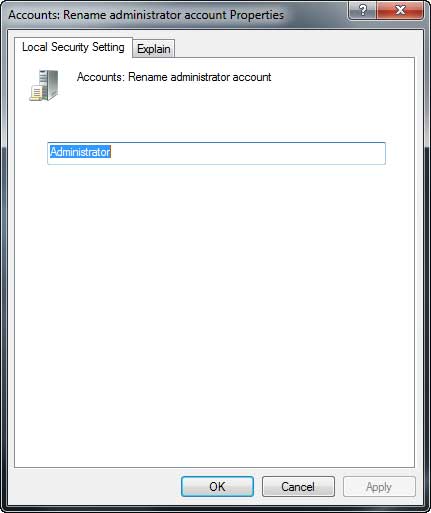
- Find Accounts: Rename administrator account in the right pane.
- Double-click it, type the new name and click OK.
Microsoft’s documentation for that setting is candid about how much it buys you: renaming the account makes it slightly more difficult for attackers to guess this user name and password combination, while adding that the value of the countermeasure is lessened because the account has a well-known SID that tools can authenticate against directly. Treat it as one small layer, not a fix.
gpedit.msc is another Pro-and-above tool and is missing from Windows 11 Home. The original guide’s point about pushing this across many machines at once still stands, but that is a domain scenario rather than a single-laptop one.
Change the Name on a Microsoft Account
If you signed in to the laptop with an email address, the name Windows shows comes from your online profile. Local tools cannot edit it; you change it on Microsoft’s site and the laptop picks it up.
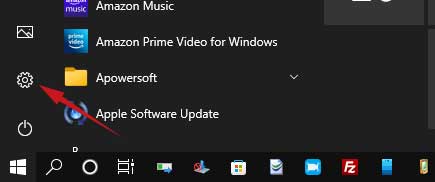
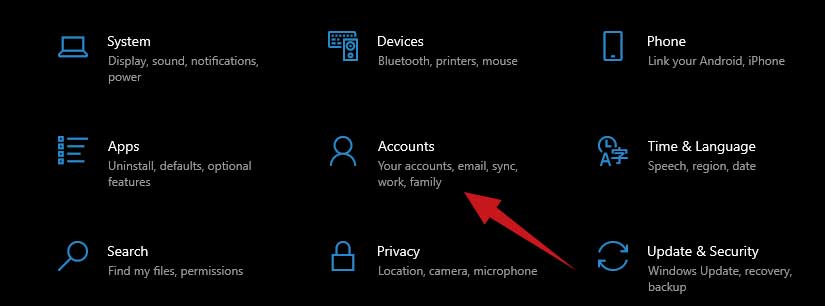
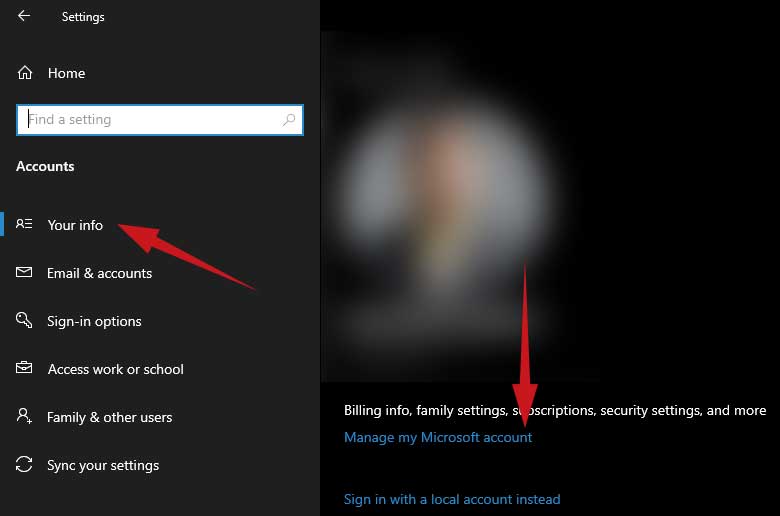
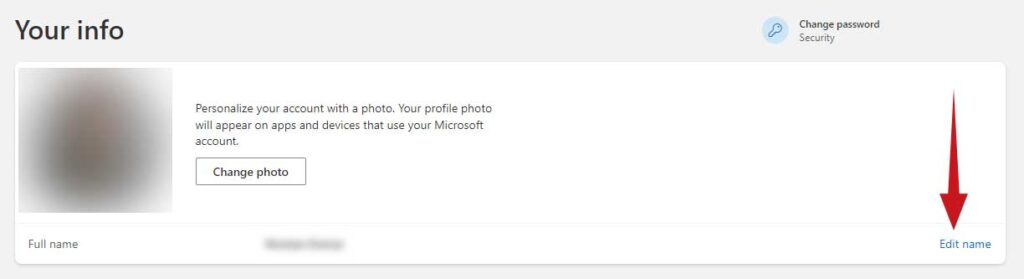
- Open Settings > Accounts > Your info and select Accounts under Related settings, which opens your profile in a browser. Going straight to your Microsoft account profile page works just as well.
- Sign in if prompted.
- Select Edit name under the current name.
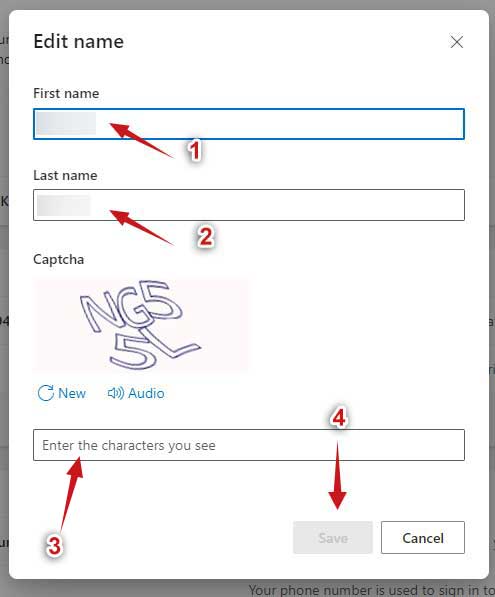
- Enter the new first and last name, complete the CAPTCHA, and save.
- Restart the laptop. The sign-in screen shows the new name once it has synced.
Two consequences the original guide flagged and that are still true. The change follows the account, so every device signed in with it — other PCs, Xbox, Outlook — shows the new name. And it is your profile name across Microsoft services, so it appears on emails you send and in Teams. If you only want the laptop’s sign-in screen to read differently, this is the wrong tool; create a local account or accept the sync.
Syncing is not instant. Give it a restart and a few minutes before assuming the change failed.
Changing the C:Users Profile Folder Name
This is what most people actually want, and it is the one thing none of the methods above do. Windows fixes the profile path when the account first signs in and leaves it alone forever after.
Microsoft’s own workaround is to sign in as a different administrator, rename the folder in C:Users manually, then edit the ProfileImagePath value under HKEY_LOCAL_MACHINESOFTWAREMicrosoftWindows NTCurrentVersionProfileList for that account’s SID. The same article carries a warning against applying the workaround on Windows 10 and later, because doing so can break the winget command.
The registry edit is not a supported fix on Windows 11. Applications that hard-coded the old path — and there are always some — will look for files that have moved. Microsoft’s guidance points away from this route on current Windows, so treat the folder name as permanent unless you are prepared to troubleshoot afterwards.
The clean alternative is a new account. Create a second administrator account with the name you want, sign in to it once so Windows builds a matching profile folder, move your files across, then delete the old account. It takes longer and costs you app settings, but nothing ends up in an unsupported state. If the laptop is new enough that there is not much to move, that tips the balance decisively.
Why do I need to change the administrator name at all?
Three common reasons. The laptop shipped with a generic name like “Owner” or the retailer’s, you want a consistent naming scheme across machines, or you are hardening the built-in Administrator account so its name is not the obvious default. The third is a small security gain rather than a large one.
Does renaming the account change my C:Users folder?
No. Microsoft documents that renaming an account does not change the profile path, and describes it as by design. The folder keeps whatever name it was given when the account first signed in.
Why is Local Users and Groups missing on my HP laptop?
You are almost certainly on Windows 11 Home, where lusrmgr.msc and the Local Users and Groups node in Computer Management are not included. Same for gpedit.msc. Use netplwiz or Control Panel instead — both are present on Home.
Can I rename a Microsoft account from Settings on the laptop?
Not directly. Settings links out to your Microsoft account profile in a browser, and the name is changed there. It then syncs to every device signed in with that account.
What is the difference between User name and Full name in netplwiz?
User name is the underlying account name Windows uses internally and the one commands like net user expect. Full name is the friendly display name shown on the sign-in screen. Change both to keep them consistent.
Will renaming an account lose my files or settings?
No. The account keeps its SID, its profile and its permissions — only the label changes. That is also why the profile folder does not move.
Is renaming the built-in Administrator account worth doing?
It is a minor hardening step. Microsoft’s documentation says it makes the privileged username slightly harder to guess, while noting the account’s well-known identifier still gives it away to anyone determined. Leaving the account disabled matters more.
Are the steps different on an HP laptop compared to Dell or Lenovo?
No. HP ships stock Windows 11 and adds no account management tool of its own. What varies is the Windows edition — Home versus Pro — which decides whether the Computer Management and Group Policy routes exist on your machine.
Final Thoughts on Renaming the Administrator Account
On a consumer HP laptop running Windows 11 Home, netplwiz is the shortest path and Control Panel the fallback; the Computer Management and Group Policy routes need Pro. Sign out and back in afterwards or the old name lingers on screen.
If it is the C:Users folder that bothers you, decide that before you start renaming things. A fresh account with the right name from the outset is slower but leaves the machine in a state Microsoft supports.