A laptop that runs hot, throttles under load, or shuts itself down mid-task is usually telling you something about its cooling. When the fan is the part that has failed, the next question is money: is this a $30 job or a $200 one, and is it worth doing at all on an older machine?
There is no single national price, because the cost splits into two very different halves — a cheap part and expensive labor. This guide breaks down both, explains why identical-sounding repairs quote wildly differently, and walks through the replacement itself if you plan to do it yourself.
What’s Inside
What a Laptop Fan Replacement Actually Costs
The fan itself is one of the cheapest components in a laptop. HomeAdvisor’s repair cost guide puts a laptop cooling fan at roughly $10 to $20 for the part, and that matches what generic replacement fans for mainstream consumer models sell for.
Labor is where the money goes. The same guide describes fan replacement as around two hours of technician time because the machine has to come apart to reach it, against a professional repair rate of $45 to $90 per hour, averaging about $60.
Some shops price by the job instead of the hour. One 2026 US repair price list quotes from $49 in labor for a fan replacement and $79 to $99 for a deep clean with a CPU repaste, which is often the cheaper fix when the fan is clogged rather than dead.
Why nobody can quote you an exact figure. The part price depends on your specific model, and the labor depends on your local shop’s rate and how deeply the fan is buried. Treat any single “average” number online — including the ranges above — as a starting point for comparison, not a quote. Get two local quotes before committing.
Parts cost varies more than you’d expect
A fan for a high-volume consumer chassis such as an HP Pavilion is cheap because millions were made and third-party equivalents exist. A fan for a thin gaming or workstation model is not, because the assembly is often a bonded fan-and-heatpipe unit that only the manufacturer makes.
Machines with discrete graphics usually carry two fans, and on many designs they share one heatsink assembly. If the assembly is sold as a single part, you pay for both fans even when only one has failed.
Labor is the real variable
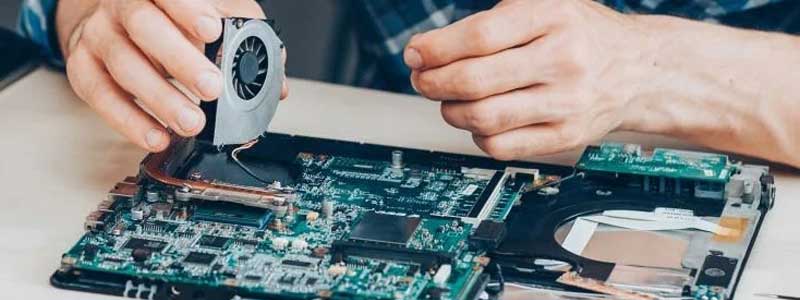
On a serviceable business laptop, the fan may sit under a single bottom panel. On a thin consumer model, reaching it can mean removing the keyboard, the palmrest, the motherboard, or all three — the same part, several times the labor.
Ask the shop whether the quote includes fresh thermal paste on the CPU and GPU. It should, because the heatsink usually has to come off anyway, and reusing cured paste undoes much of the benefit of the repair.
Repairing Versus Replacing the Fan
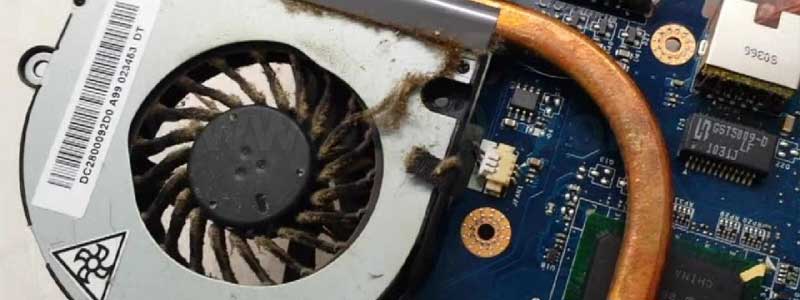
Not every noisy or stalled fan is dead. A fan choked with dust and lint, or one whose sleeve bearing has dried out, can often be cleaned and returned to service — which is why a clean-and-repaste is worth pricing alongside a full replacement.
Replace rather than clean when the bearing rattles or grinds after cleaning, when the blades are cracked, or when the fan does not spin at all with a known-good connection. A fan that stops intermittently under load is worse than one that never runs, because the failure is unpredictable.
If the laptop is still in warranty, claim it before touching a screw. Opening the machine yourself can end the coverage, and some vendors will service the existing fan rather than fit a new one.
Should You Do It Yourself?
Doing it yourself removes the labor charge, which is most of the bill. It also puts the whole machine at risk if it goes wrong — a torn ribbon cable or a stripped screw boss can cost far more than the repair you were avoiding.
This is a reasonable first internal repair if you have done something like a drive swap on the same class of machine, and a poor first repair if you have never had the bottom cover off. Look up a teardown for your exact model number before ordering anything; if there is no guide and no obvious service panel, that is a signal in itself.
Disconnect the internal battery before working inside. Powering off is not enough — the board is still live. Microsoft’s device repair safety guidance instructs technicians to power down and disconnect from mains before opening a device, to wear an anti-static wrist strap on a grounded surface, and never to puncture, bend or crush a lithium battery. A swollen battery means stop and get it handled professionally.
How to Replace a Laptop Fan Step by Step
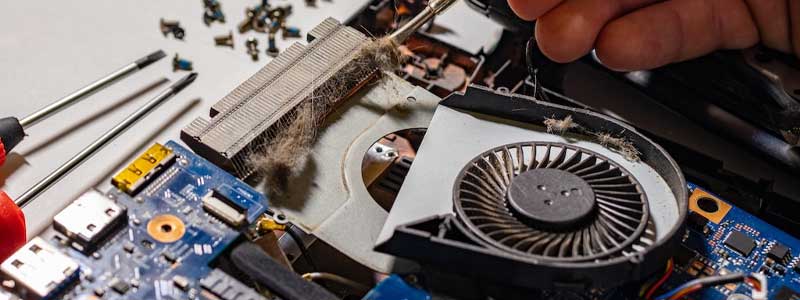
The exact sequence differs by model. Treat the following as the shape of the job and follow a teardown guide for your specific machine alongside it.
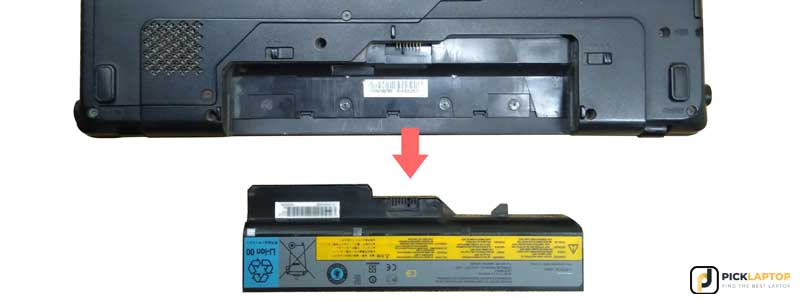
- Shut the laptop down fully, unplug the charger, and disconnect every peripheral. If the battery is external, remove it now.
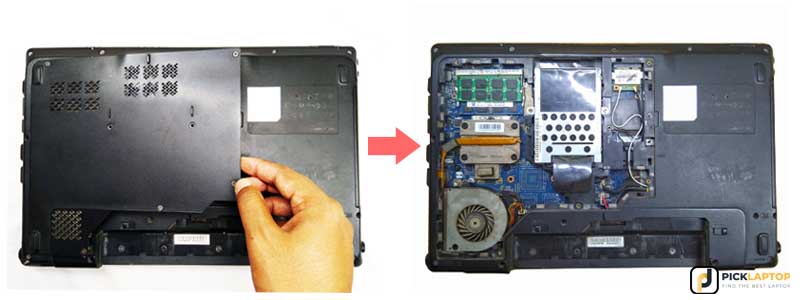
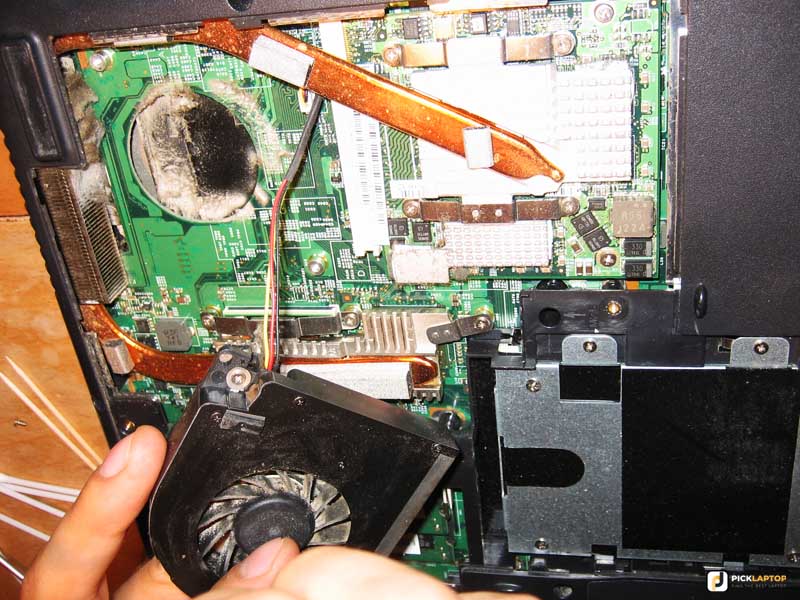
- Remove the back panel. With the panel off you can usually see the memory, storage and cooling assembly. If the battery is internal, unplug its connector from the board before going any further.
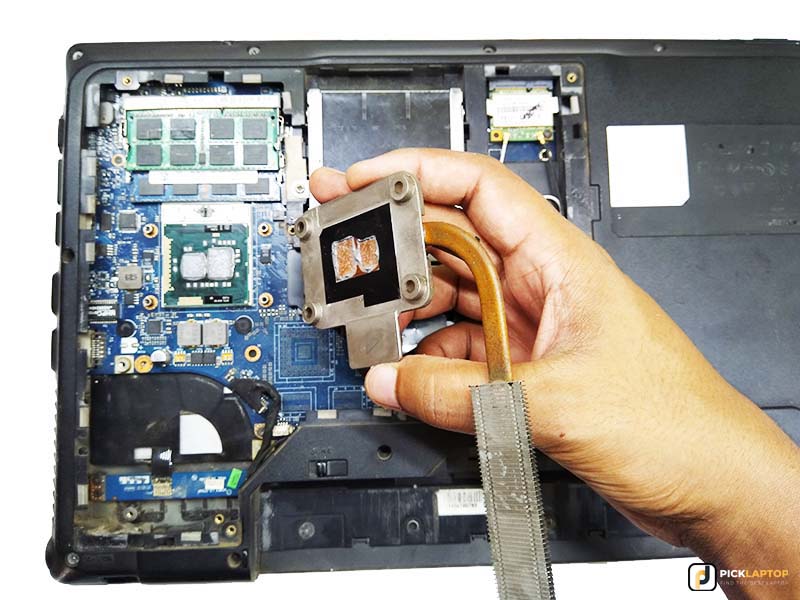
- Unscrew the heatsink assembly over the CPU and, if fitted, the discrete GPU. Loosen the screws a turn at a time in the numbered order printed on the heatsink so the die is not stressed unevenly.
- Unplug the fan’s power lead from the board, detach the faulty fan from the heatsink assembly, and fit the replacement.
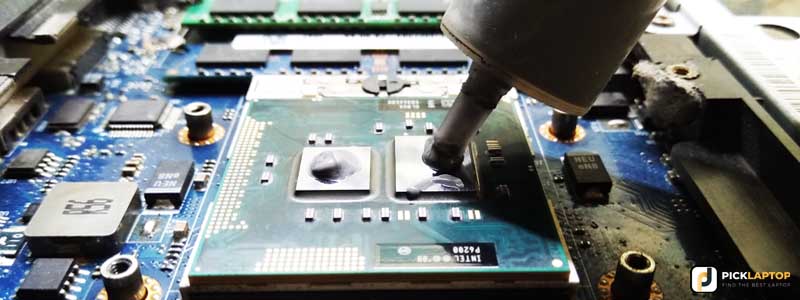
- Clean the old paste off the die and the heatsink contact face with isopropyl alcohol, apply fresh thermal paste, and refit the assembly with the same staged tightening pattern.
- Reconnect the fan and the battery, refit the back panel, and power on. Load the CPU and confirm the fan spins up and the temperature settles.
Cleaning a clogged fan instead
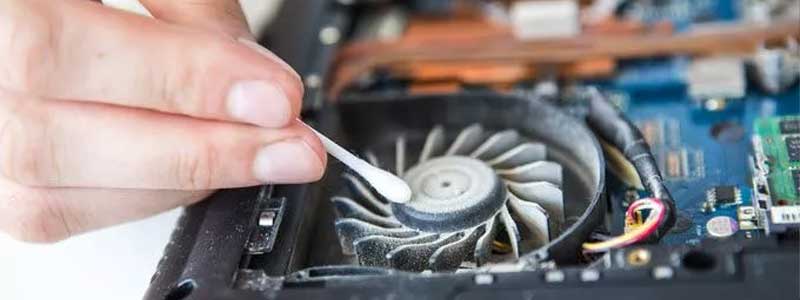
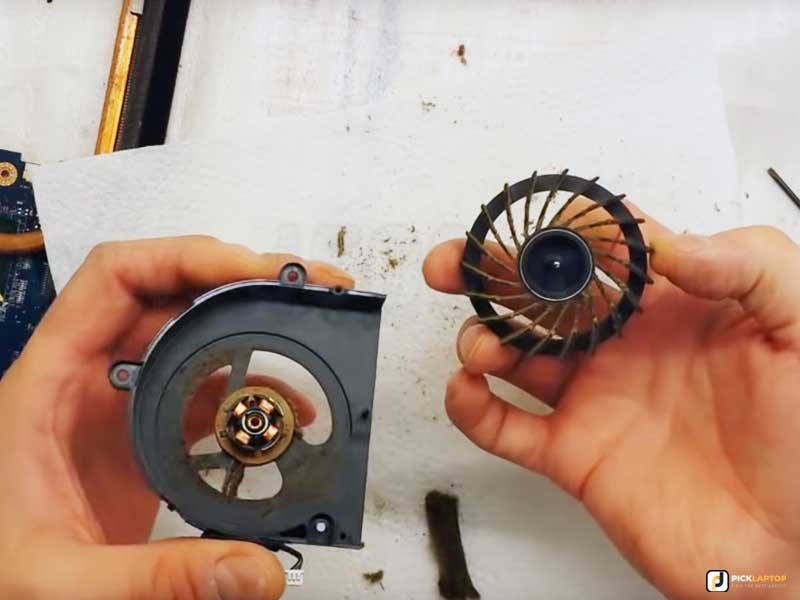
If the fan is jammed with dust and lint rather than worn out, lift the blade assembly where the design allows and clean it with a soft brush and high-purity isopropyl alcohol. A drop of light lubricant at the hub can quieten a dried sleeve bearing.
Hold the blades still if you use compressed air. Spinning a fan far past its rated speed with an air blast can damage the bearing you are trying to save.
Signs Your Laptop Fan Is Failing
The clearest test is airflow. Hold a strip of paper about half an inch from the exhaust grille under load — the strip should move steadily. No airflow with the machine working hard points at a stalled fan or a fully blocked exhaust.
Performance symptoms come next. Intel notes that when a core passes its throttle temperature the processor reduces power to bring the temperature back down, and will shut down automatically if that fails. Sudden slowdowns or unexplained shutdowns under load are a cooling symptom before they are a software one.
Grinding, rattling or a rhythmic tick that changes with fan speed is bearing wear. A fan that is simply loud when you are rendering or gaming is behaving normally — that is the cooling system doing its job, and there are other ways to bring running temperatures down before you replace anything.
Most vendors ship a hardware self-test that includes a fan check, so running the built-in diagnostics is a sensible step before you buy a part.
Laptop Fan Replacement Questions Answered
Are laptop fans replaceable?
Yes, but only with the correct part. You cannot fit a fan from a different laptop or a desktop case fan — the connector, blower geometry, mounting points and speed control signaling are model-specific. Search your exact model number plus “fan” or the fan’s own part number printed on its label.
Can I keep using my laptop if the fan is broken?
Not safely for long. The processor will throttle to protect itself and shut down if that is not enough, so you lose performance and risk losing unsaved work. Sustained heat is also hard on the battery and nearby board components.
What causes laptop fan failure?
Dust, lint and pet hair packing the blades and the exhaust fins is the most common cause, followed by bearing wear from years of running hours. Drops and liquid exposure account for most of the rest.
How long do laptop fans last?
There is no reliable published lifespan for laptop cooling fans, and any specific number you see online is an estimate rather than a measured figure. Running hours, ambient dust and how hard the machine is worked matter far more than age alone.
How do I fix a laptop fan that is not spinning?
First confirm it should be spinning — most fans stay off at idle and start only when the CPU or GPU heats up, which is easy to mistake for a fault in cool weather. If it stays still under load, clean the intake and exhaust, then open the machine and check the fan connector is seated. A fan that still does not turn with a good connection needs replacing.
Is a repaste and clean cheaper than a new fan?
Often, yes. Published 2026 shop pricing puts a deep clean with a CPU repaste in the same broad bracket as fan replacement labor, and it fixes the majority of dust-related cooling problems without a part. Ask for it as an option when you get quoted.
Do fanless laptops overheat?
They throttle rather than overheat in the damaging sense. Passively cooled machines are designed around a lower sustained power budget, so they slow down under long workloads — especially in a hot room or in direct sun.
Final Thoughts on Laptop Fan Replacement Costs
The part is cheap almost everywhere; the labor is what makes one quote double another, and it tracks how far your specific chassis has to come apart. Price the clean-and-repaste option at the same time, because on a dusty machine it often solves the problem for less.
If the laptop is old enough that a shop bill approaches its resale value, that is the point to weigh the repair against replacement rather than the point to keep running it hot.