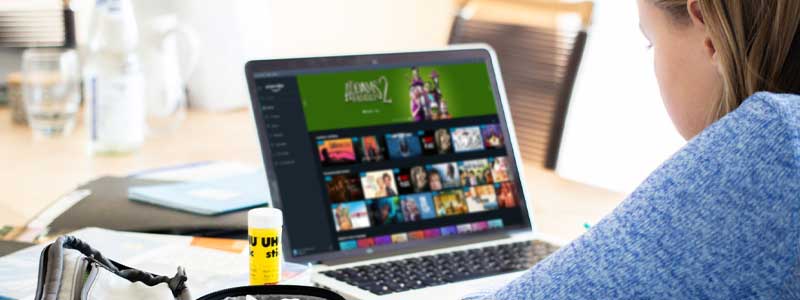
Watching Prime Video on a laptop is trivial — open primevideo.com, sign in, press play. The part that catches people out is quality: you pay for a 4K plan, you have a good screen, and the picture still looks soft. That is not your connection or your laptop.
Amazon caps what a computer is allowed to play. Its own system requirements page lists web browsers, the Windows 10 and 11 app and the macOS app as all supporting up to HD — not 4K. This guide covers the working routes and exactly where the ceiling sits.
What’s Inside
- 1 – Watching Prime Video in a Browser
- 2 – Why You Can't Get 4K on a Laptop
- 3 – The Prime Video App for Windows
- 4 – Installing Prime Video as a Desktop Web App
- 5 – Skip the Android Emulator Route
- 6 – Connecting Your Laptop to a TV for Prime Video
- 7 – Fixing Common Prime Video Playback Problems
- 8 – Prime Video on Laptop Questions
- 9 – Final Thoughts on Streaming Prime Video From a Laptop
Watching Prime Video in a Browser
The browser is the route with the fewest moving parts, and nothing needs installing. Amazon lists Google Chrome, Mozilla Firefox, Microsoft Edge, Safari and Opera as supported, each on its latest version.
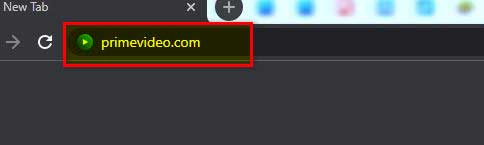
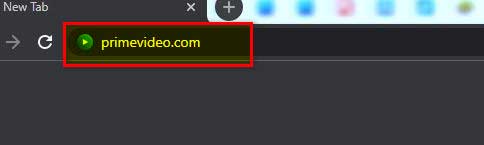
- Open a supported browser and go to primevideo.com.
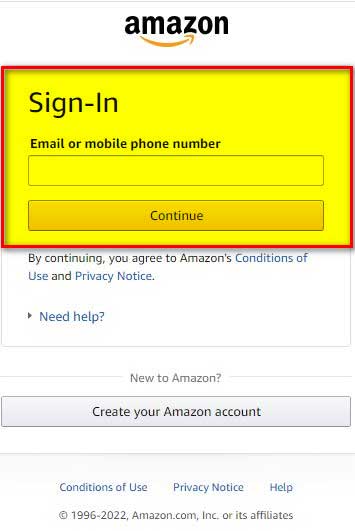
- Select Sign In and enter your Amazon account details. Prime Video uses the same account as the rest of Amazon.
- Pick a profile if the account has several.
- Choose a title and press Watch now. Titles marked with a channel or rental badge need a separate subscription or payment.
Keeping the browser updated is not a formality here. Playback depends on DRM support that ships with the browser, and an old version is a common cause of a title that simply refuses to start.




Why You Can’t Get 4K on a Laptop
Every computer route tops out at HD. Amazon’s system requirements list web browsers, the Windows app and the Mac app as supporting up to HD, and state that operating systems other than Windows and macOS are restricted to standard definition in a browser. 4K playback is reserved for supported TVs and streaming devices.
Two separate limits are at work. The first is that cap, which is a licensing decision rather than a technical shortcoming of your hardware. The second is content protection: the playback path from the app to the panel has to satisfy DRM requirements, and Amazon’s requirements for 4K Ultra HD include an HDMI input supporting the HDCP 2.2 content protection standard, plus every device in the chain supporting it.
That second point is where a laptop-to-TV setup fails. Send Prime Video out over HDMI to an external screen and everything in the path — cable, adapter, dock, AV receiver, soundbar — has to be HDCP-compliant. One older adapter in the chain produces a black screen or a content protection error while every other video source works normally.
Linux and ChromeOS users get the sharpest version of this: Amazon restricts browser playback on operating systems other than Windows and macOS to standard definition. Nothing you configure locally changes that.
The Prime Video App for Windows
The Windows app is still current. Amazon’s requirements page lists it for Windows 10 and Windows 11, supporting up to HD with stereo sound, closed captions, audio description, live streaming and ad-supported channels. There is a macOS app too, requiring macOS 11.4 Big Sur or higher.
- Open the Microsoft Store from Start.
- Search for Prime Video and select the Amazon listing.
- Select Get or Install.
- Open it and sign in with your Amazon account.
The app’s real advantage over the browser is offline downloads for travel. The resolution ceiling is identical, so if you only ever watch at the desk on Wi-Fi, the browser gives you the same picture with nothing to install.

Installing Prime Video as a Desktop Web App
Chrome and Edge can both install a website as a standalone windowed app, which gives you a Start menu entry and a clean window with no tabs or address bar. It is still browser playback underneath, with the same HD ceiling.
- Open primevideo.com in Microsoft Edge or Google Chrome and sign in.
- Open the browser’s menu from the top-right corner.
- In Edge choose Apps > Install this site as an app; in Chrome choose Cast, save and share > Install page as app.
- Confirm the name, and it appears in the Start menu like any installed program.
This is a reasonable option on a machine where the Microsoft Store is blocked or misbehaving. It does not add offline downloads — that remains exclusive to the proper app.

Skip the Android Emulator Route
Running the Android Prime Video app in an emulator is not a workaround for the quality cap. DRM-protected streaming apps generally fall back to the lowest security level in an emulated environment, which means lower resolution than the browser would have given you, not higher. There is a native Windows app and a native Mac app; use one of those.
The older advice to install BlueStacks for this dates from a period when the desktop options were weaker. They no longer are.
Connecting Your Laptop to a TV for Prime Video
A cable from the laptop to the TV works, with the DRM caveat above: every link in the chain has to satisfy the content protection requirements, and you are still watching an HD stream rather than 4K.
- Connect HDMI directly from laptop to TV where you can, and skip the dock. Fewer devices in the chain means fewer that can fail HDCP.
- Press Windows + P and choose Duplicate or Second screen only.
- If you get a black screen with audio, or a content protection error, swap the cable and try a different HDMI input before assuming the laptop is at fault.
- Wireless casting is an alternative, and the options for that are covered in our guide to casting from a laptop to a TV.
If the TV has the Prime Video app built in, use that instead. It is the route that can actually reach 4K, since Amazon’s 4K requirements are written around an Ultra HD TV with an HDCP 2.2 input rather than a computer.
Fixing Common Prime Video Playback Problems
- Video won’t start in the browser. Update the browser, then clear cookies for primevideo.com and sign in again.
- Black screen with sound on an external display. Almost always HDCP. Remove adapters and docks from the chain and go direct.
- Picture looks soft even at full screen. Expected on a computer. HD is the documented ceiling for browsers and the desktop apps.
- Constant buffering. Test on a wired connection or move closer to the router; Prime Video drops resolution to keep playing rather than stopping.
- A title is unavailable. Catalogs are region-locked, and titles rotate in and out of Prime membership into rental or channel status.
Prime Video on Laptop Questions
Can I watch Prime Video in 4K on a laptop?
No. Amazon’s system requirements list browsers, the Windows app and the Mac app as supporting up to HD. 4K playback requires a supported TV or streaming device with an HDCP 2.2 HDMI input.
Which browser gives the best Prime Video quality?
Amazon supports Chrome, Firefox, Edge, Safari and Opera on their latest versions, and documents the same up-to-HD ceiling for browser playback generally. Running an old browser version is more likely to cause a problem than the choice of browser.
Do I still need the Prime Video Windows app?
Only for offline downloads. The app is listed for Windows 10 and 11 and carries the same HD ceiling as the browser, so for watching online at the desk the browser is equivalent.
Why does my TV show a black screen when I play Prime Video from my laptop?
Content protection. Every device in the HDMI chain has to meet the HDCP requirement, and an older adapter, dock or receiver will block the stream while passing everything else through normally. Connect the laptop straight to the TV to test.
Can I download Prime Video titles to a laptop?
Yes, through the Prime Video app for Windows or macOS. Browser playback is streaming only. Downloads are for offline viewing inside the app and expire according to Amazon’s terms.
Does Prime Video work on Linux or a Chromebook?
It plays, but Amazon restricts browser playback on operating systems other than Windows and macOS to standard definition. There is no local setting that changes it.
What internet speed do I need?
Amazon’s published figure for 4K Ultra HD is at least 15 Mbps, but that applies to devices that can actually play 4K. For an HD-capped laptop stream the requirement is lower, and buffering on a modern connection is more often Wi-Fi signal than raw bandwidth.
Final Thoughts on Streaming Prime Video From a Laptop
The browser and the desktop app deliver identical picture quality, so the only reason to install the app is offline downloads. And if the picture on a good laptop screen looks softer than you expected, that is Amazon’s HD ceiling for computers rather than anything you can fix at your end.